
Nine individual product pages each publish the same MOQ, sample, lead-time and warranty text: 50 pieces without customisation, 1,000 pieces with your own colour and logo, a 7-business-day stock lead time, 30 to 35 days for customised runs after sample approval, and a 6-month warranty from receipt. That repetition across separate pages looks like shared site text rather than nine independently negotiated terms, and it is not a binding quotation for any model. The commercial terms table further down states what each model’s own page actually confirms and what still needs a written answer.
Published values are a starting point for a supplier conversation, not a specification you can copy into a listing. The sections after the table separate what the factory publishes from what the factory still has to confirm and what you have to verify yourself.
En esta guía
- The Nine Models at a Glance
- Reading the Water Ingress Column Across Nine Models
- Which Model Fills Which Gap in Your Range?
- Your Nine Models Split Into Two Compliance Groups
- Commercial Terms: What Each Model’s Own Page Actually Says
- What You Can Customise Without Paying for a Mould
- How to Build Your First Order
- Request Pricing and Samples
- Frequently Asked Questions
The Nine Models at a Glance
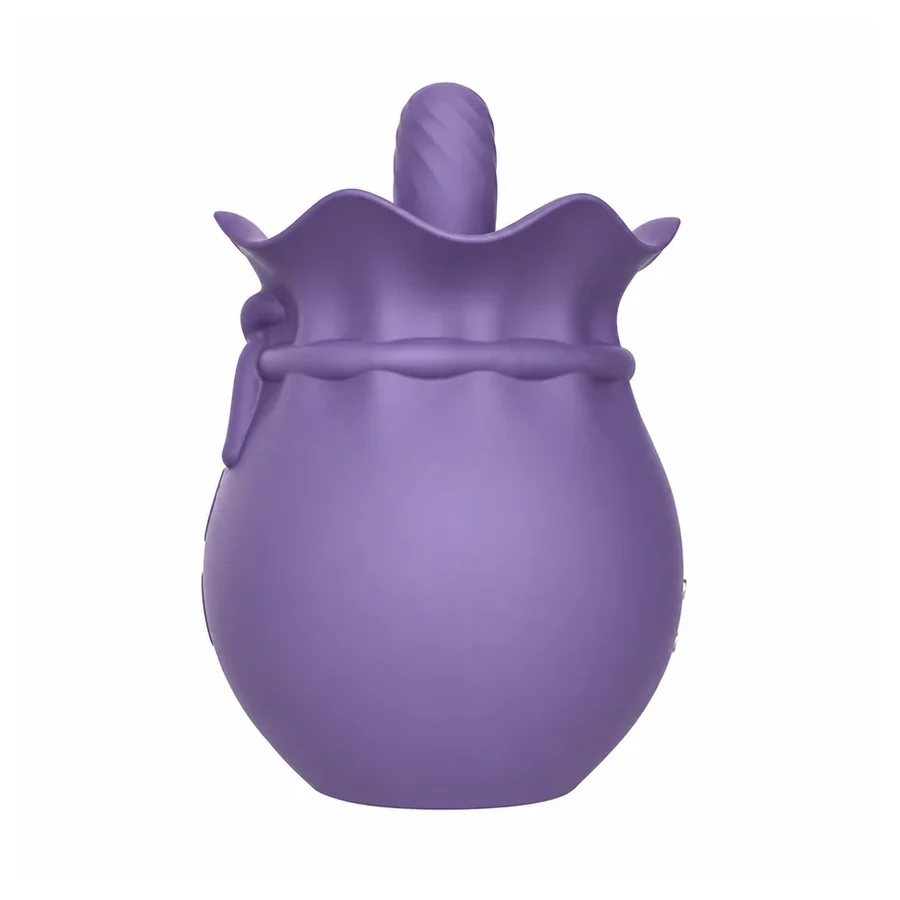
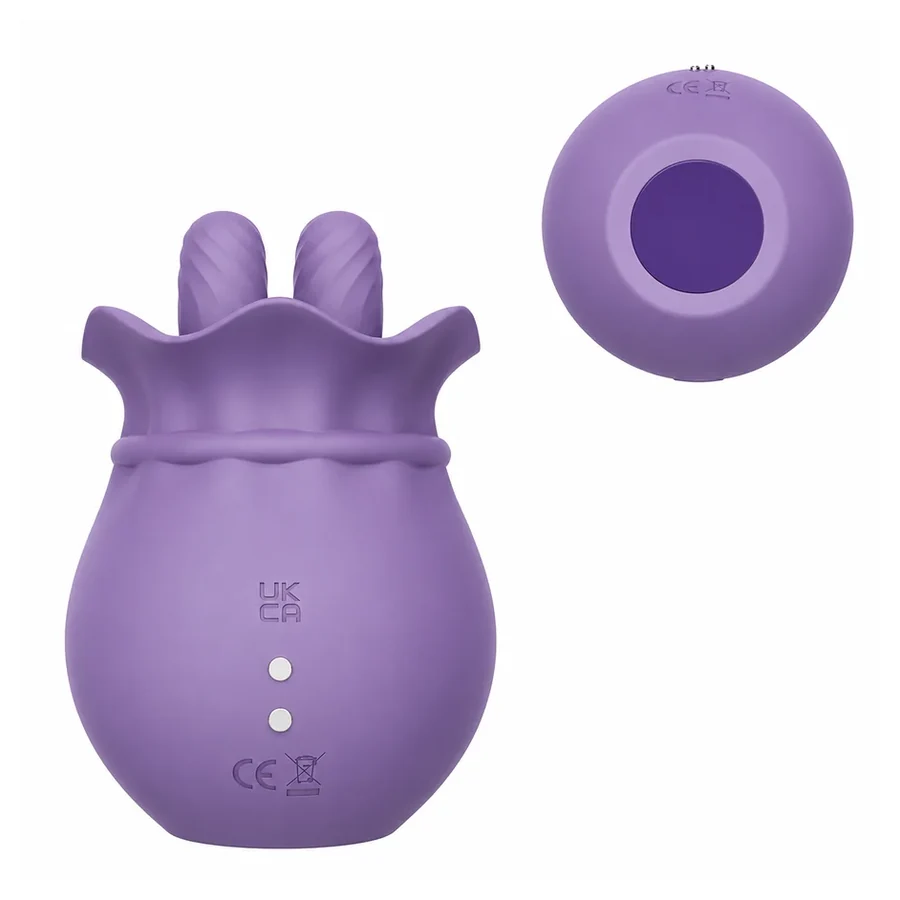
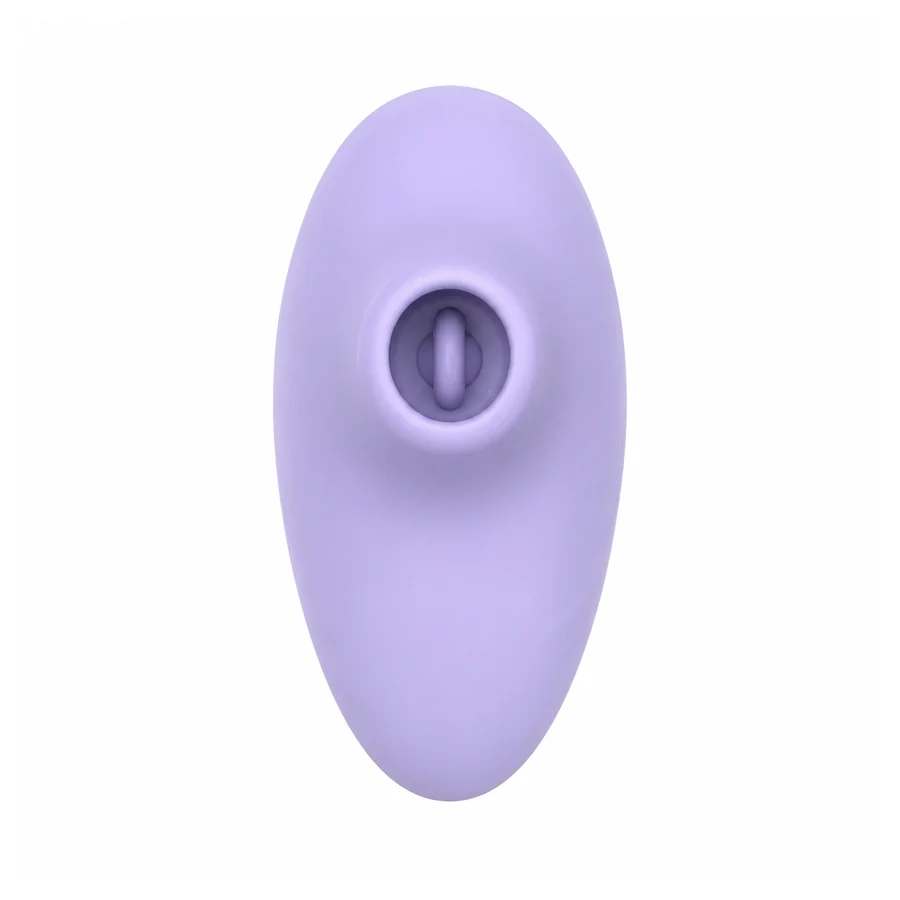
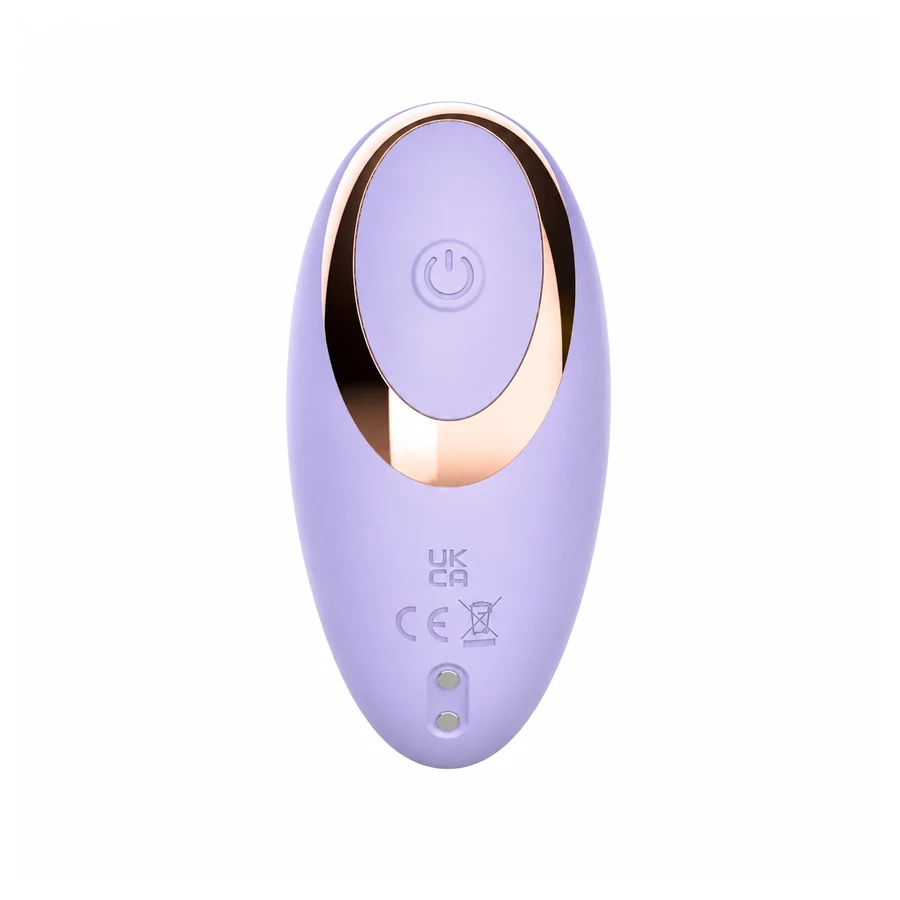
All nine pages checked live on 19 August 2026. Run time¹, weight² and noise³ carry measurement gaps noted below the table rather than repeated in every cell. Treat the Evidence status column as the instruction for what you can quote as-is versus what needs a report before it reaches a listing.
| Modelo | Qué es | Tamaño (mm) | Peso² | Batería | Tiempo de uso¹ | Ingreso de agua⁴ | Ruido³ | Evidence status |
|---|---|---|---|---|---|---|---|---|
| WY0666 Alison | Lengua rosa | 87×60×60 | 108 g | 500 mAh | ≥ 60 min | No verificado⁴ | ≤ 50 dB | Water ingress unverified |
| WY0735 Gloria | Air-pulse suction | 95×58×47 | 90 g | 170 mAh | ≥ 60 min | px5 | ≤ 60 dB | Publicado |
| WY0757 Jamie | Thrusting rabbit | 196.5×35.7×34.9 | ~256 g² | 800 mAh | ≥ 40 min | PIX6 | ≤ 60 dB | Weight unverified² |
| WY0760 | Wearable, remote | 88×86×69 | 66 g | 180 mAh | ≥ 60 min | px5 | ≤ 50 dB | Remote tech unconfirmed |
| WY0762 | Male suction cup | 245×76×76 | 555 g | 800 mAh | ≥ 60 min | No verificado⁴ | ≤ 60 dB | No IP test cited |
| WY0763 | Varilla, 5 cabezas | 116×30×30 | 55 g | 240 mAh | 90 a 120 min | PIX6 | ≤ 50 dB | Publicado |
| WY0764 | Mini bolígrafo | 110×39.5×52.5 | 57 g | 220 mAh | ≥ 50 min | px5 | ≤ 50 dB | Publicado |
| WY0781 | Doble motor | 185×62×39 | 143 g | 650 mAh | ≥ 60 min | PIX7 | ≤ 60 dB | Only clean IPX7 claim |
| WY0785 | G/P-spot, remote | ~136×87×39 | 130 g | 650 mAh | ≥ 60 min | No verificado⁴ | ≤ 60 dB | Water + use unresolved |
¹ Run time: no page states which mode or load the published figure represents. Treat every run-time figure as the maximum published claim, not a tested average. ² Weight: WY0757’s own page shows 400 g in one place and 256 g in its specification table. Net versus shipping weight is not distinguished, so confirm before you build a freight estimate on it. ³ Noise: stated distance is 30 cm across the pages that give one, but none state which mode was running during the measurement. ⁴ Water ingress: WY0666’s page shows IPX6 in its description and IPX5 in its specification table. WY0785’s page shows IPX7 in its specification table and IPX6 in its metadata. Of the models with a published rating, only the WY0781 has a single, non-contradicting IPX7 claim in the sources checked for this article. WY0762’s page states “not waterproof” without publishing a test rating either way, so treat it as unverified for any water claim rather than as a tested absolute.
This is a published-data index, not a sales ranking. None of these pages carry sales, conversion or reorder data, so nothing here ranks the nine by performance. Ask your sales contact for reorder rate by model in your target market rather than treating this table as a popularity order.
Reading the Water Ingress Column Across Nine Models
Four different situations appear in that column, and none of them is a case where you can copy the published word straight into a listing.
No test rating published: WY0762. Its page states “Not waterproof,” but that is a marketing statement, not an IP test result. Treat it as unverified for any water-related use rather than a proven absolute, since no rating either confirms or rules anything out. Do not market this model for water contact until the factory confirms what testing, if any, backs that statement.
Two rows contradict themselves. The WY0666 page lists IPX6 in its description and IPX5 in its specification table. The WY0785 lists IPX7 in its specification table and IPX6 in its metadata. Two conflicts across nine products checked points to a catalogue-wide data issue rather than isolated typos, so request the test report and the model revision for any model you list. Of the ratings that do appear cleanly on one page without contradicting another part of that same page, only the WY0781’s IPX7 claim held up in the sources checked for this article.
The remaining six carry a single rating each, which tells you what one laboratory test recorded and nothing more. None of these figures authorises a cleaning, shower or bath claim on your own listing. For what an IP code proves, why the digits do not form a ladder, and which document actually governs use, see what an IP rating proves on the WY0666 page, which draws its definitions from IEC 60529:1989+AMD1:1999+AMD2:2013.
Which Model Fills Which Gap in Your Range?
Rose and tongue: WY0666. A flicking silicone tongue paired with vibration, which is a different mechanism from air-pulse suction. Published noise is 50 dB at 30 cm, though the page does not state which mode that measurement covers.
Air-pulse suction: WY0735. Five defined intensity steps at 40, 50, 60, 70 and 80 percent, which gives you a stated specification rather than an unqualified suction claim. At 90 g it is the lightest full-function product in this table.
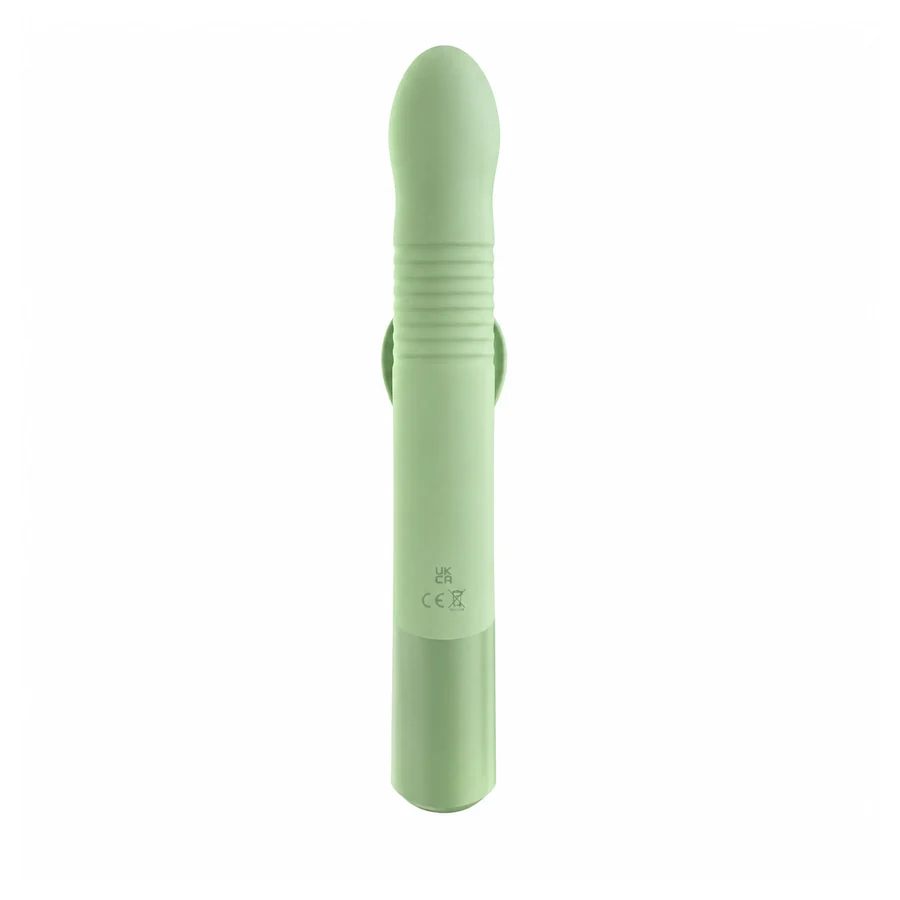
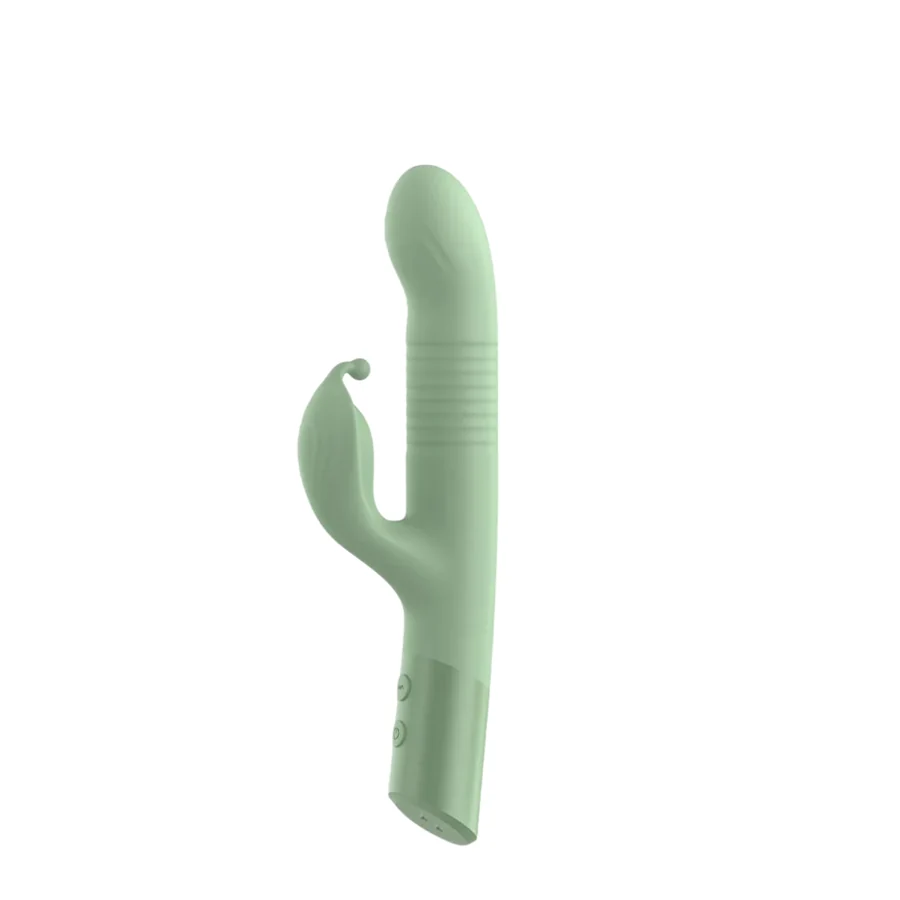
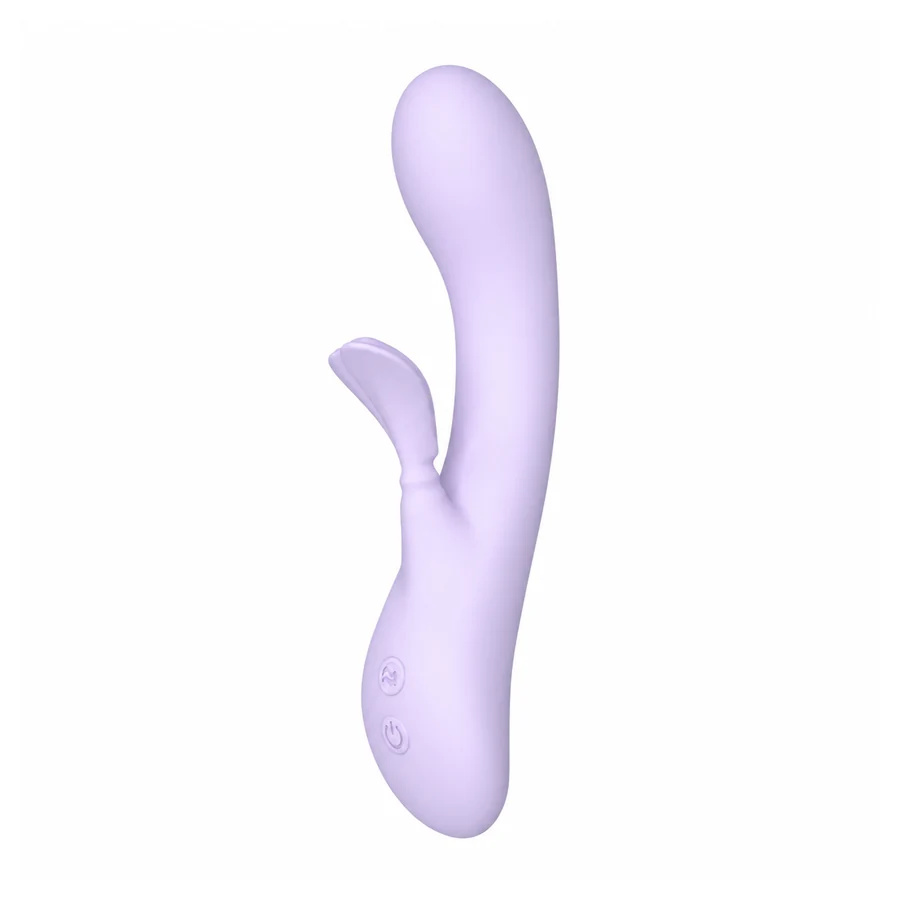
Thrusting rabbit: WY0757. The most mechanically complex model here, publishing 10 vibration modes plus three thrusting speeds, waving and digging. Its published run time of 40 minutes is the shortest in the table. Note that it extends to roughly 257 × 36 × 76 mm when thrusting, so size your packaging against the extended dimension rather than the resting one. The page also shows 400 g in one place and 256 g in the specification table, so confirm which figure is net and which is shipping weight.
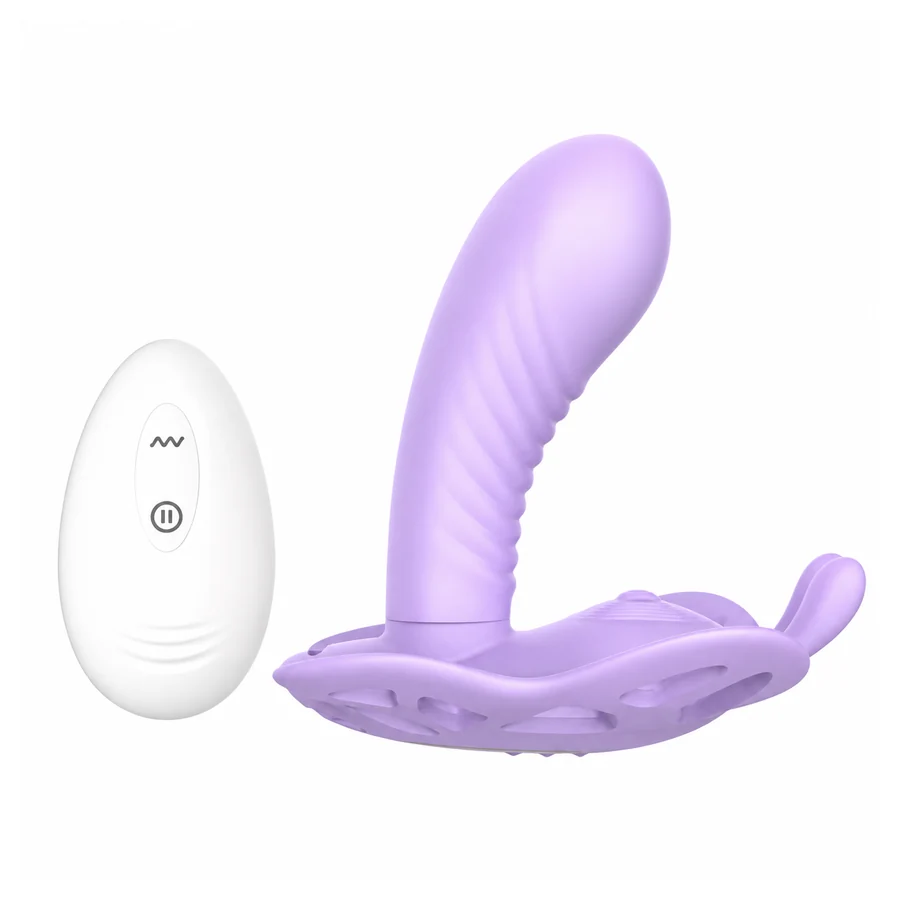
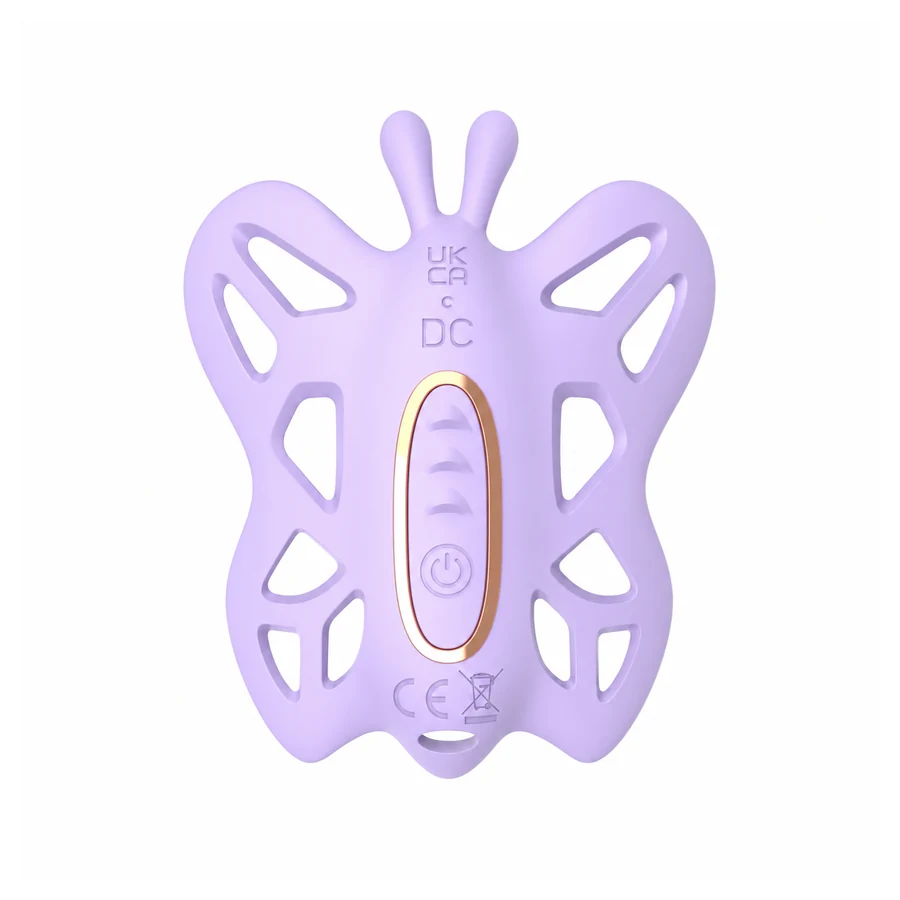
Wearable with remote: WY0760. 66 g, 12 modes, and a wireless remote whose technology the page does not state. Published motor speed is 9,000 rpm ±10% and published noise is 50 dB at 30 cm. Confirm the remote protocol before assuming any compliance route, since the section below depends on it.
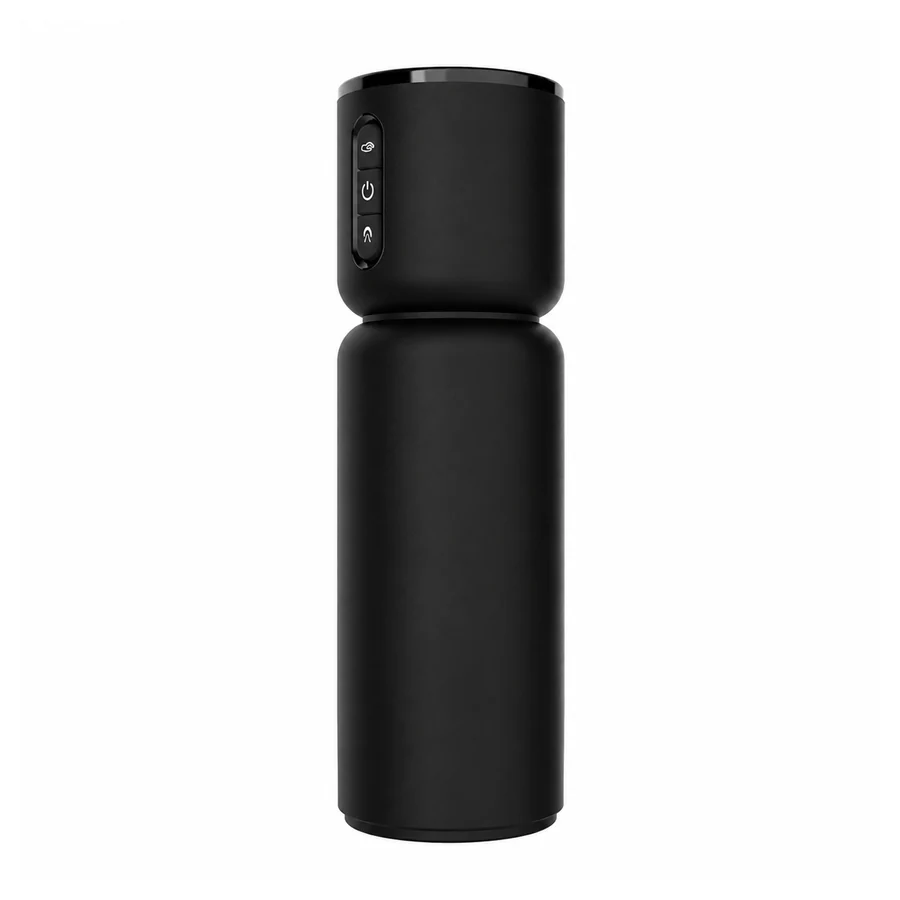
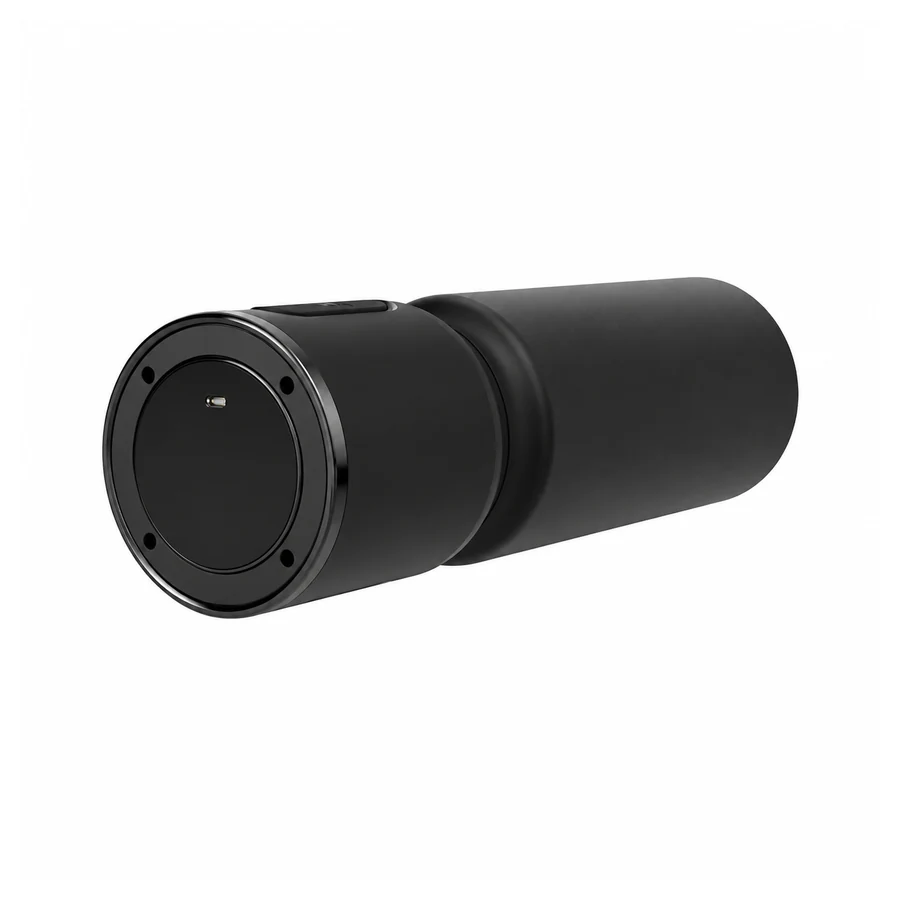
Male range: WY0762. A cup publishing five suction frequencies and 10 vibration modes with independent controls. At 555 g it is the heaviest model here, which affects freight per unit. Its page states it is not waterproof, though the page publishes no IP test rating to support that claim either way. Treat water exposure as unverified rather than as a settled fact in either direction, and do not market it for water contact.
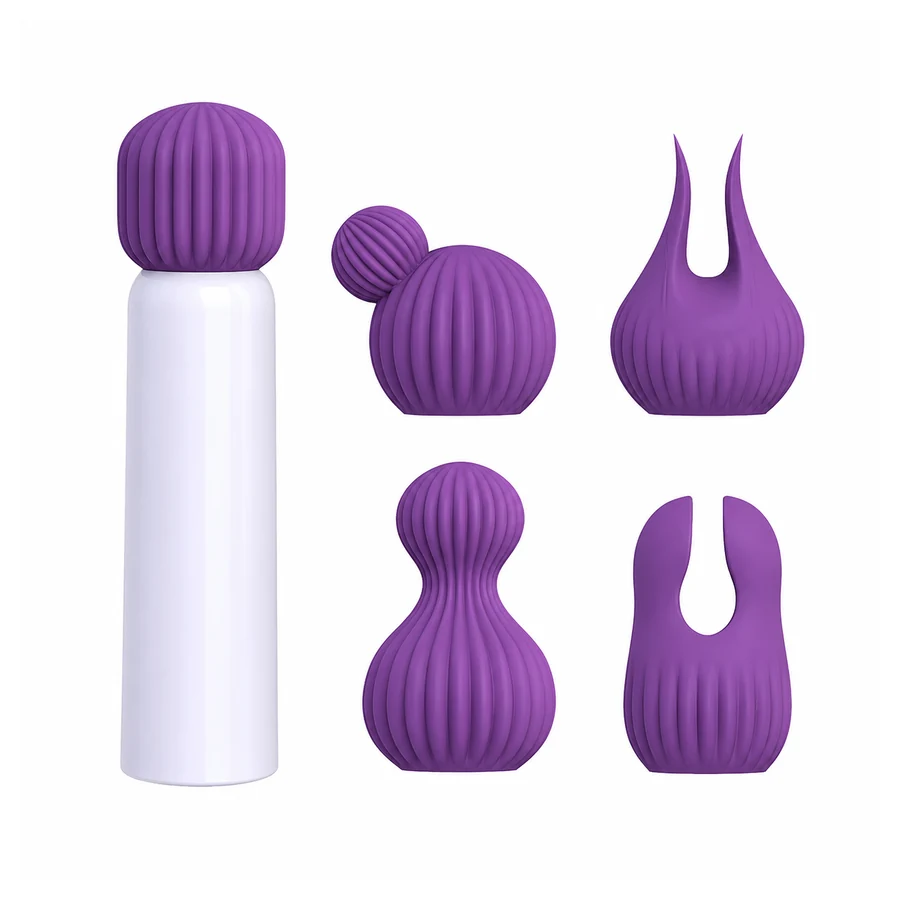
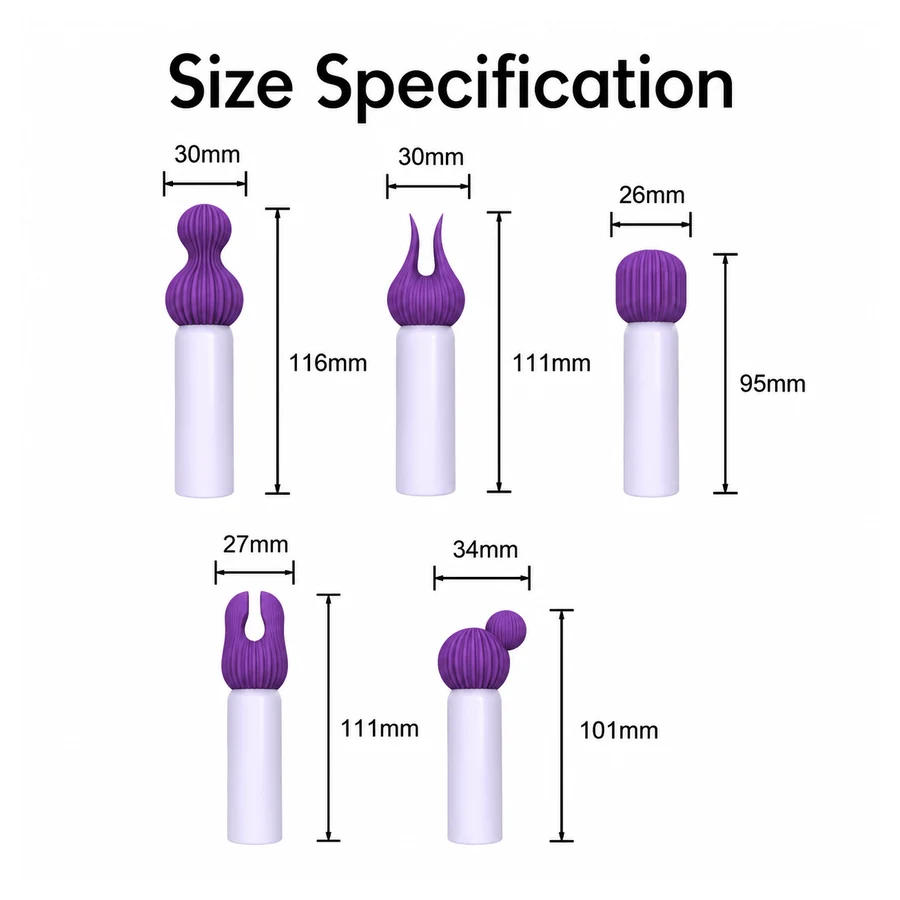
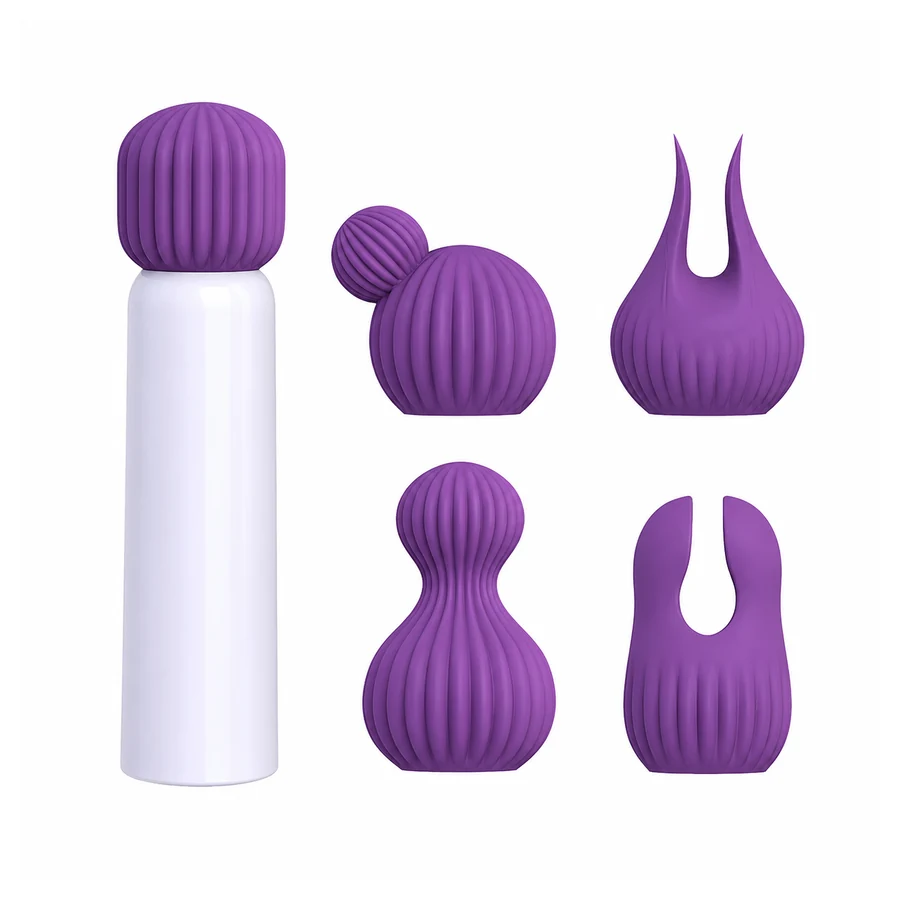
Modular wand: WY0763. Five interchangeable heads, ranging 96 to 118 mm, on one 55 g body. Published run time is 120 minutes on the lowest setting and 90 minutes on the third, the longest in this table. A modular design lets you sell one SKU as a system with an accessory path later.
Compact format: WY0764. 57 g, 10 modes with 10 intensity levels each, published motor speed 11,500 rpm, in a pen format.
Dual motor: WY0781 and WY0785. Both publish a 950 rpm gearbox motor with an 8,000 rpm motor. Two motors confirm two drive sources, not independent user control of each, which depends on the control board and the approved manual. Ask for a control matrix.
One positioning conflict blocks the WY0785 from listing. Its specification table says “USE: Famale” while its title, description and image captions point at P-spot and anal use. Those statements cannot all be right, and a page title alone cannot establish anal-contact positioning. Anal or P-spot use brings retention-design, material and user-information obligations under ISO 3533:2021 that a vaginal-only positioning does not carry, and no images on the page show a retention feature that anal use would typically require. Hold this model back from anal, P-spot or unisex listings until the factory confirms the intended use in writing and closes the conflict. The intended-use conflict on the dual motor vibrator page sets out the three documents to request and the standard that applies.
Your Nine Models Split Into Two Compliance Groups
This matters when you cost a shipment, because the two groups need different evidence files and different timelines.
Seven non-transmitting models: WY0666, WY0735, WY0757, WY0762, WY0763, WY0764, WY0781.
Two with a wireless remote: WY0760 and WY0785.
For those two, the first question is not which certificate to ask for. It is what technology the remote actually uses in the final marketed configuration, because a radio-frequency transmitter and an infrared remote follow different routes entirely, and neither product page states which applies. Once you have that answer, an intentional radiator brings FCC certification obligations, identified by an FCC ID specific to the device, and a Supplier’s Declaration of Conformity does not cover the transmitter function. In the EU it may bring the Radio Equipment Directive alongside general product safety duties. Confirm the protocol, frequency band, FCC ID and EU declaration of conformity for the exact product-and-remote combination you plan to sell, not a generic reference to “remote control.” The compliance walkthrough for remote-control models sets out the sequence, the sources and what to request.
Para las nueve, Regulation (EU) 2023/988 has applied since 13 December 2024 and calls for a responsible economic operator established in the EU, which a manufacturer in Shenzhen cannot be. Those duties sit alongside product-specific obligations, not instead of them.
Material evidence applies to all nine. Product pages across this industry list FDA among their certifications, which does not establish body safety. The FDA silicone claim explained on the WY0666 page covers what that marking actually refers to and what to request instead.
WINYI’s own WY0760 page carries a line worth holding every supplier to, including this one: no certification claim should go out without current supporting documents. Build your applicable-legislation list per model and per market, and have a compliance professional confirm it.
Commercial Terms: What Each Model’s Own Page Actually Says
Re-checked live on 19 August 2026, model by model rather than assumed from one page. The figures below are published website terms, not a binding quotation. Confirm MOQ, sample charges, stock, production lead time and warranty terms for each model and your order date in writing before you buy.
| Término | Stock, no customisation | With colour and logo |
|---|---|---|
| MOQ | 50 piezas | 1,000 piezas |
| Tiempo de entrega | 7 business days | 30 to 35 days after production sample approval |
| Muestras | 1 a 3 gratis | 1 a 3 gratis |
| Garantía | 6 months from receipt | 6 months from receipt |
Every one of the nine individual product pages currently carries this same block of MOQ, sample, lead-time and warranty text word for word, which points to shared site copy rather than nine separately negotiated positions. Shared boilerplate is not evidence of what your supplier will actually confirm for your specific models, quantities and order date, and it does not resolve the MOQ conflict against the página de servicios below. Treat “confirmed on its own page” as confirmation that the published claim exists, not as confirmation that it will hold for your order.
| Modelo | Confirmed on its own page | Última comprobación | Estado |
|---|---|---|---|
| WY0666 | Yes, identical to the terms above | 19 de agosto de 2026 | Confirm in quotation |
| WY0735 | Yes, identical to the terms above | 19 de agosto de 2026 | Confirm in quotation |
| WY0757 | Yes, identical to the terms above | 19 de agosto de 2026 | Confirm in quotation |
| WY0760 | Yes, identical to the terms above | 19 de agosto de 2026 | Confirm in quotation |
| WY0762 | Yes, identical to the terms above | 19 de agosto de 2026 | Confirm in quotation |
| WY0763 | Yes, identical to the terms above | 19 de agosto de 2026 | Confirm in quotation |
| WY0764 | Yes, identical to the terms above | 19 de agosto de 2026 | Confirm in quotation |
| WY0781 | Yes, identical to the terms above | 19 de agosto de 2026 | Confirm in quotation |
| WY0785 | Yes, identical to the terms above | 19 de agosto de 2026 | Confirm in quotation |
Three points to settle before treating any of this as firm.
The 50-piece entry lets you place three or four models into your store and see which reorders before committing to a 1,000-piece branded run.
The customised lead time starts after you approve the production sample, not when you place the order. Sampling rounds sit outside that window.
The published warranty figure is a period, not a policy. Ask what counts as a defect, who pays return freight, and whether replacement units ship separately or with your next order.
WINYI’s página de servicios states that selected production-ready models can start from 100 pieces, while the individual product pages state 50. Website text is not a quotation. Get the figure that applies to your models and order month written into the quotation itself.
What You Can Customise Without Paying for a Mould
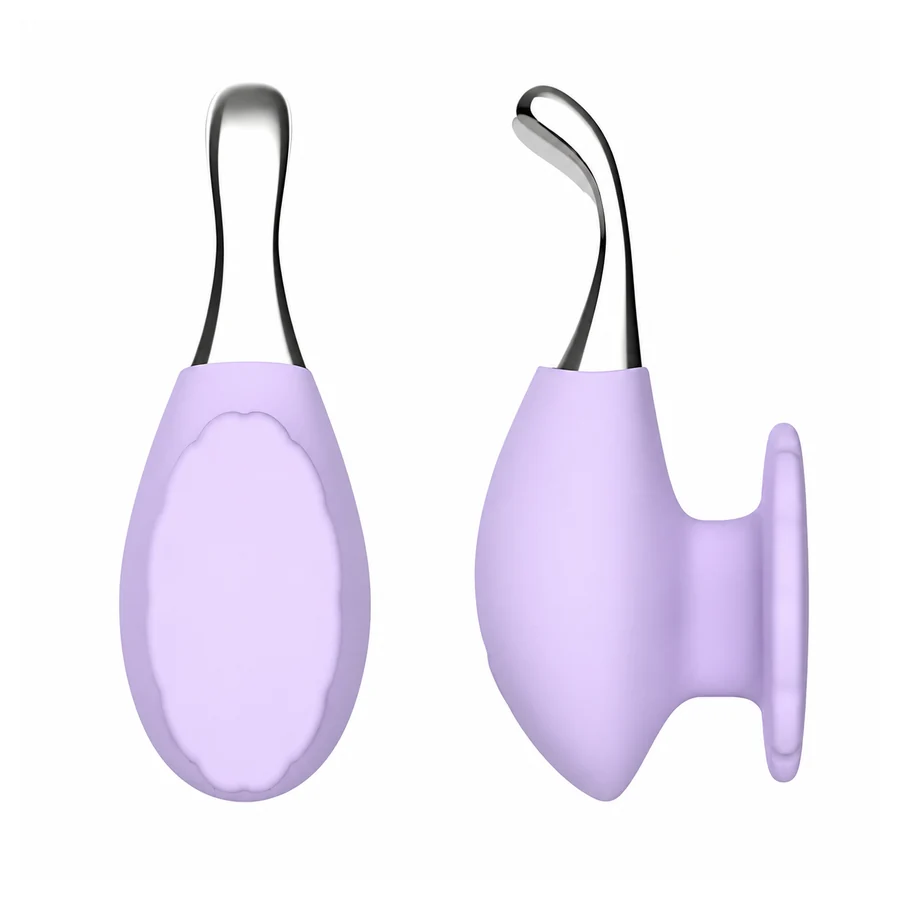
Colour through Pantone matching, logo by silk-screen printing or laser engraving, and packaging in three tiers: retail colour box, premium gift box, or a lean launch kit with a branded sleeve. None of that needs new tooling, which is why it carries the lower MOQ.
Shape changes, different mode structures, new motor placement or added app control all need mould and engineering work. WINYI runs concept sketches, 3D modelling, ergonomic refinement and structural engineering in-house, so it’s available, but it’s a separate timeline and a separate budget.
Before you brief any of it, the 12-point technical checklist for choosing a supplier is worth reading, and the 15-point sample approval checklist covers what to test once samples land.
How to Build Your First Order
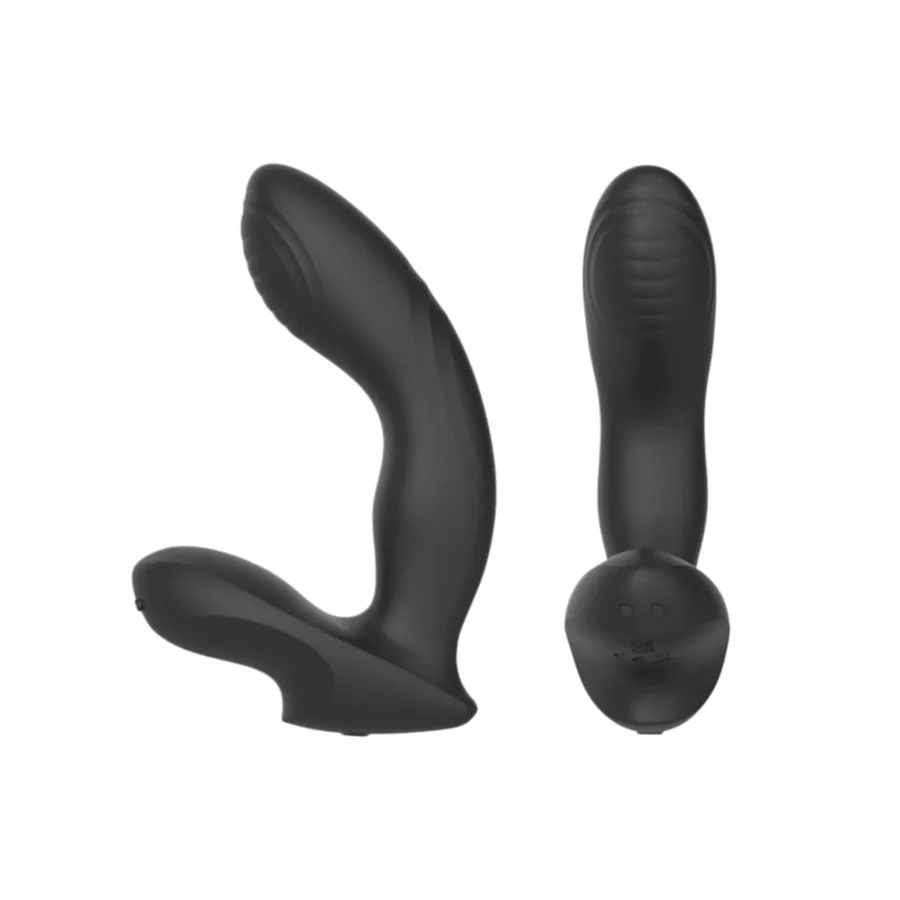
Pick models covering different mechanisms rather than variations on one, since a suction product, a thrusting product and a wearable each answer a different question about your customers.
Confirm the current minimum in your quotation, then order that quantity of each. Run documented acceptance tests with recorded conditions and agreed pass criteria before listing any of them, and agree the sample size and batch-rejection proportion with your supplier in advance. The 15-point sample approval checklist sets out a sequence you can hand to whoever inspects your samples.
Track reorder rate over a defined period, then take the model that performs into a customised run.
Request Pricing and Samples
Send your target quantity, your destination market, which models you want quoted, and whether you need colour or logo customisation. Ask specifically for the fields this page flags for confirmation, since a standard quotation may not include them.
Name the compliance documents your market needs, model by model, so the supplier can tell you what already exists rather than what it could produce later. WINYI’s own guide to the 10 fields that make a quote accurate covers the rest of the enquiry structure.
Frequently Asked Questions
Can one 50-piece minimum cover a mix of models?
Each product page quotes the figure per model, so a mixed order needs confirming with your sales contact rather than assuming.
What water-exposure evidence is available for each model?
Seven models publish a single IP rating, two publish contradicting values, and one has no test rating at all. None of that evidence authorises hot water, detergents, repeated immersion or bath use on its own. Request the test report and the approved instructions for the specific model before you write any water-related claim.
Which of the nine need extra compliance work, and what should I ask for first?
The two with a wireless remote, WY0760 and WY0785. Ask first what remote technology each uses in its final marketed configuration, since that determines whether FCC certification with an FCC ID, an EU declaration under the Radio Equipment Directive, or both, apply.
What compliance documents should I request, and how do I know they’re current?
Ask your supplier to list which documents exist for each model, with report or certificate numbers, issue dates and the exact model and version they cover, rather than a general claim that “certification” exists. A document with no number, date or model match is not evidence.
How do packaging and shipping weight affect freight cost across these nine models?
Net weight alone does not set your freight cost. Packed dimensions, volumetric weight, carton quantity and shipping route all factor in, and none of those are published on the individual product pages. Get a packed-carton spec sheet before you estimate landed cost.
Why do two models show different weights or ratings in different places?
Source-page inconsistencies. WY0757 shows 400 g and 256 g, WY0666 shows IPX6 and IPX5, WY0785 shows IPX7 and IPX6. Ask which figure the controlled specification carries.
Are the figures in this table guaranteed?
No. They are published values read on the date shown above. Anything entering your own listing needs checking against the controlled specification, the test report and a sample in your hand.