Choosing between OEM, ODM and private label sex toys is a business-model decision, not a product decision, and it’s the last moment you can shape a brief before a factory starts spending your money on tooling. OEM means the buyer owns the design and the factory manufactures it. ODM means the factory owns the design and the buyer applies their brand. Private label means the factory’s existing product is sold entirely under the buyer’s brand. White label sits next to private label but changes only the logo on existing artwork, nothing else about the product or its documentation.
What OEM, ODM and Private Label Actually Mean
Each option trades control for speed in a different place, and that trade-off is the entire decision.
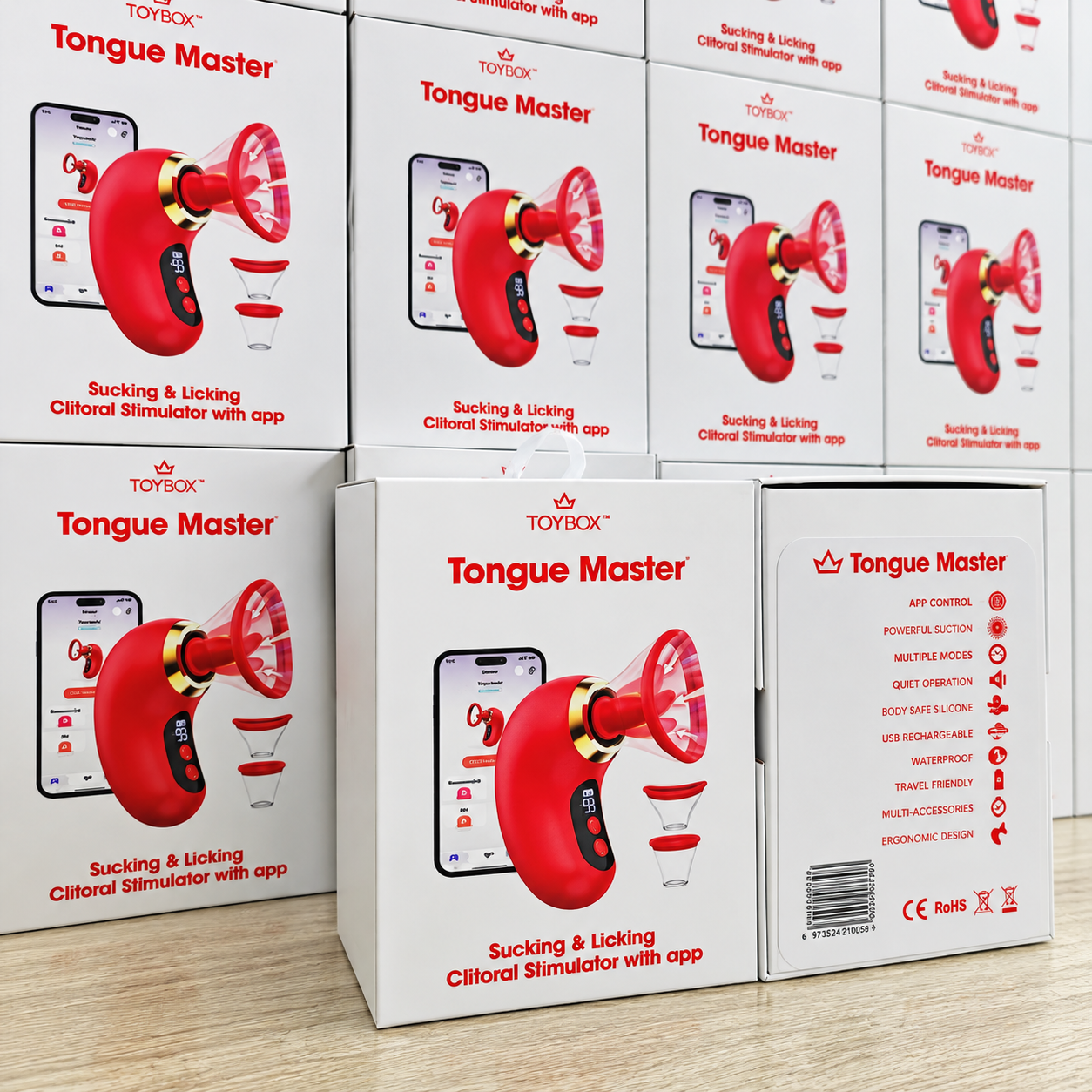
OEM gives the buyer the most control: the buyer brings the design, and the factory builds to that specification using tooling built for the project alone. ODM hands design control to the factory instead, the buyer picks from or adapts an existing platform and applies a brand on top of it. Private label goes further still, the buyer sells a product that already exists, unchanged except for the logo, packaging and documentation. If you’re comparing Juguetes sexuales de etiqueta privada against a white label option specifically, the distinction is narrower than it sounds: white label changes only the logo on existing artwork, while private label gives you packaging, documentation and ownership of how the product is presented, even though the underlying unit is the same either way. That difference matters commercially too, a private label buyer can walk away from a supplier relationship still owning branded packaging and documentation, while a pure logo swap leaves far less behind.
Why the Model Decides Your Margin, Speed and Risk
More design control costs more capital and more time upfront, and it pays back in margin and IP ownership once a business is at volume.
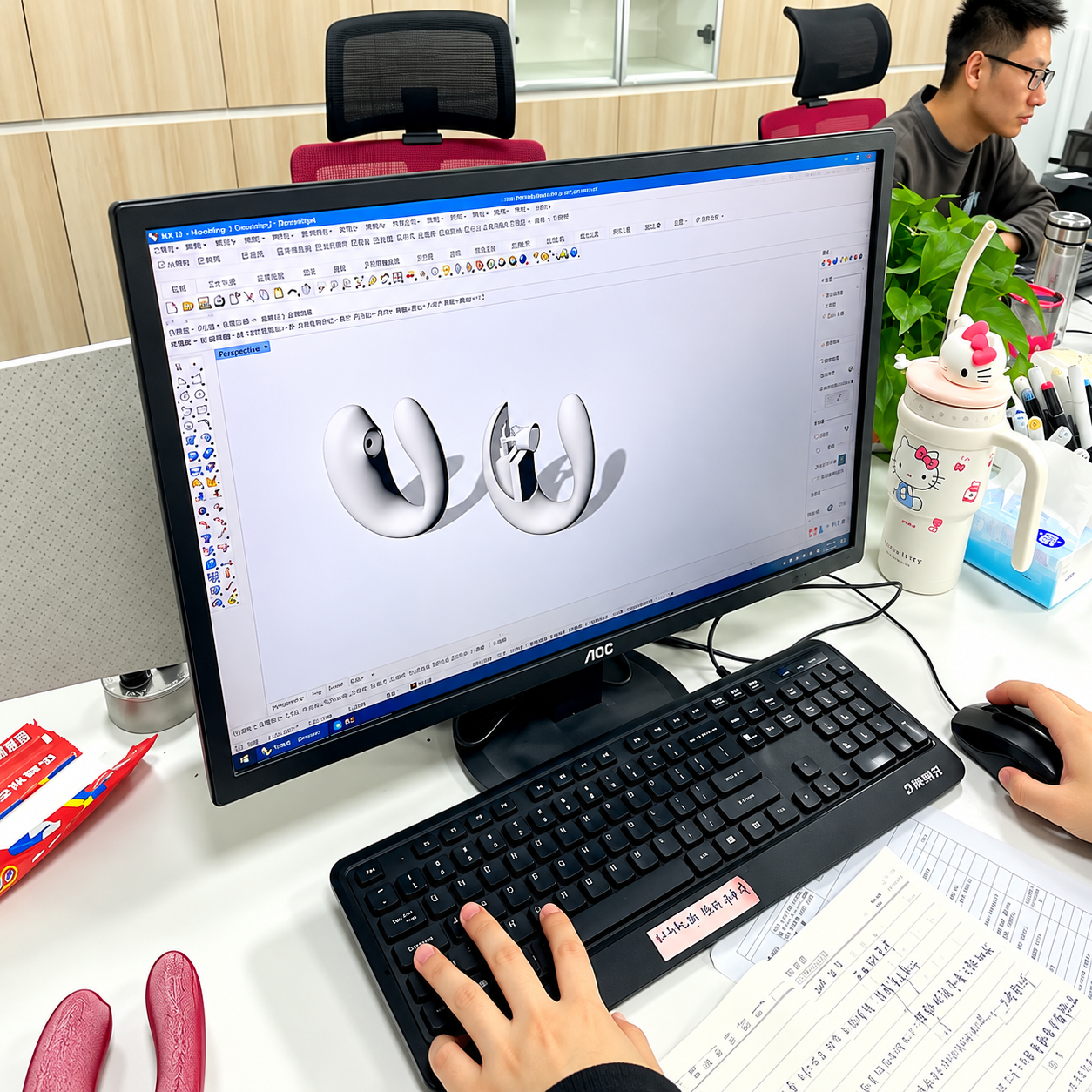
Tooling cost scales with how far customisation is pushed, not with order size alone. A logo-only change costs almost nothing in tooling. A new mould for a proprietary shape is a real capital commitment, and general manufacturing guidance puts custom tooling cost anywhere from a few thousand dollars to tens of thousands depending on complexity, a range wide enough that any buyer should get their own quote rather than budgeting off an industry average. That gap is exactly why unit cost drops sharply once volume amortises a mould that’s already been paid for, and barely moves at all on a model that never required one.
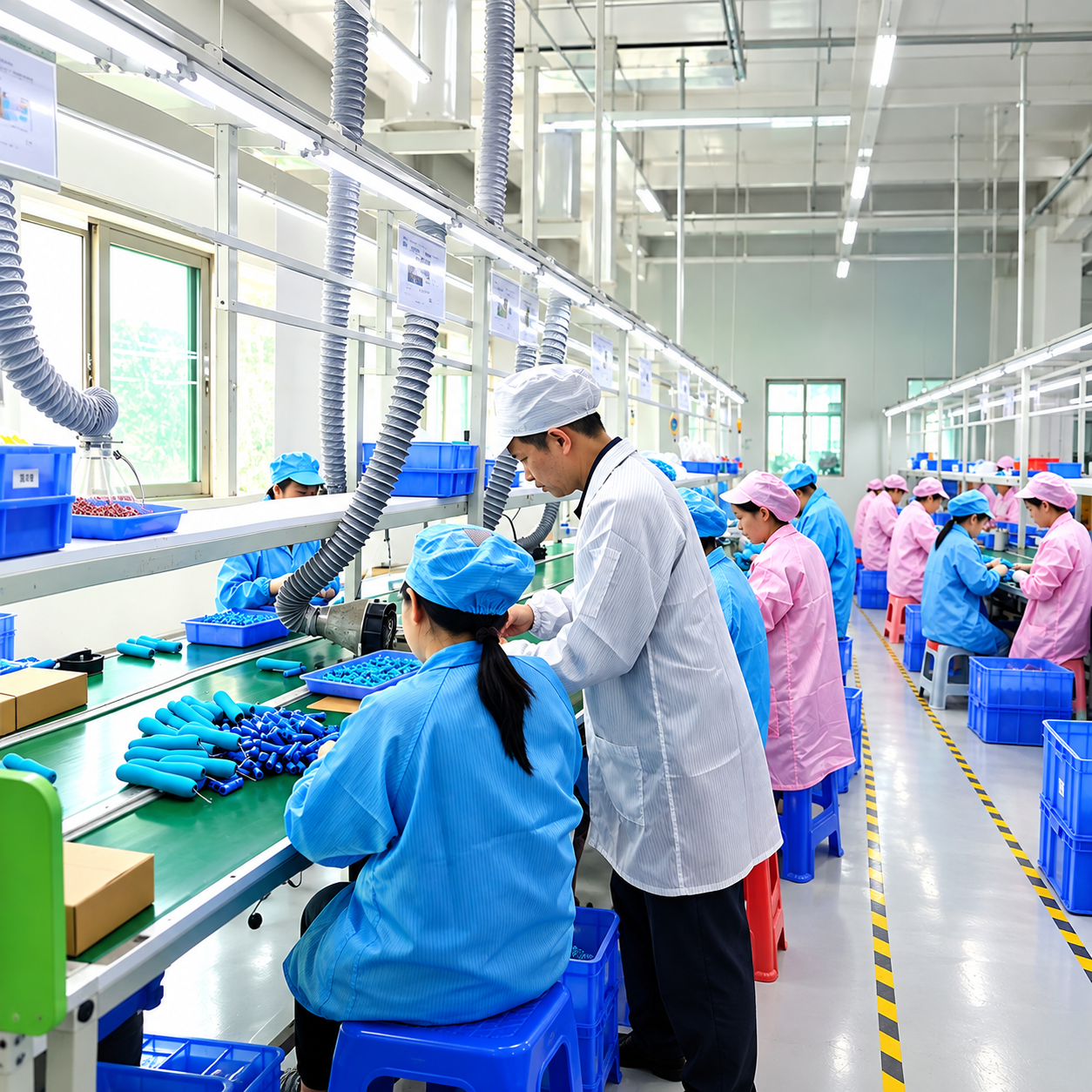
The risk sits in different places depending on which model you pick. OEM concentrates risk on your own tooling investment and your forecast being right, since a mould sized for the wrong volume is dead capital either way. ODM concentrates risk on differentiation instead, since you’re building on a platform WINYI’s Shenzhen manufacturing operation may also be offering to other brands, and a competitor running the same base product is a real possibility you should plan around rather than discover later.
The Four Decision Variables
Four variables actually decide which model fits you, and every supplier conversation worth having runs through them in roughly this order. None of the four works in isolation, a supplier that wins on cost usually gives something up on lead time or design freedom, which is exactly what the matrix below is built to surface.
Cost is never just the unit price on a quote. It’s mould amortisation, where the MOQ break points actually land, packaging tooling, and compliance testing, all stacked into what you’re really paying per unit. Lead time runs from your first sample request through tooling, mass production and final QC, and it stretches the most wherever new tooling sits in that chain. Design freedom is the realistic customisation ceiling for each model, from a logo on an existing shell all the way to a fully custom mould with your own branded finish, and it’s worth knowing where that ceiling sits before you ask for something a model can’t actually deliver. IP ownership decides who owns the mould, the artwork and the industrial design itself, and what happens to all three once the relationship with that factory ends.
OEM vs ODM vs Private Label: Decision Matrix. Figures are directional, based on general manufacturing cost and lead-time behaviour, confirm MOQ, lead time and cost specifics with your supplier before committing to tooling.
| Decision Variable | OEM | ODM | Etiqueta privada |
|---|---|---|---|
| Design ownership | Buyer owns the design outright | Factory owns the design and tooling | Factory owns the design entirely |
| Tooling and mould ownership | Buyer-funded, buyer-owned under written agreement | Factory-owned, shared across multiple buyer brands | None, no tooling investment required |
| Minimum order quantity | Highest, driven by tooling amortisation | Moderate, lower than OEM | Lowest, often the smallest in the category |
| Lead time, sampling to delivery | Longest, multiple sampling and tooling rounds | Shorter, existing platform skips tooling | Fastest, ships from existing stock |
| Upfront investment | Highest, covers tooling and extended development | Moderate, covers customisation only | Lowest, limited to packaging and branding |
| Customisation ceiling | Highest, a fully proprietary mould and design | Mid, colour, packaging and motor tuning | Lowest, logo and packaging only |
| IP and exclusivity | Buyer holds exclusive design rights | Shared platform, no design exclusivity | No exclusivity, identical units possible elsewhere |
| Best-fit business stage | 10 to 100, forecastable volume | 1 to 10, growing but still iterating | 0 to 1, proof of demand |
Selection by Business Stage: 0 to 1, 1 to 10, 10 to 100
The right model usually tracks where a business actually is, not where it’s expected to be in a year.
At 0 to 1, you’re proving demand exists before you commit real capital, so private label or white label sex toys make sense here, minimal SKUs, the lowest possible commitment, and speed over differentiation. Recommended model: private label or white label.
At 1 to 10, you’ve got some proof the product sells, and ODM adult toys let you push deeper customisation, colours, packaging, motor tuning, while your volumes still allow room to iterate without a sunk tooling cost behind every change. Recommended model: ODM.
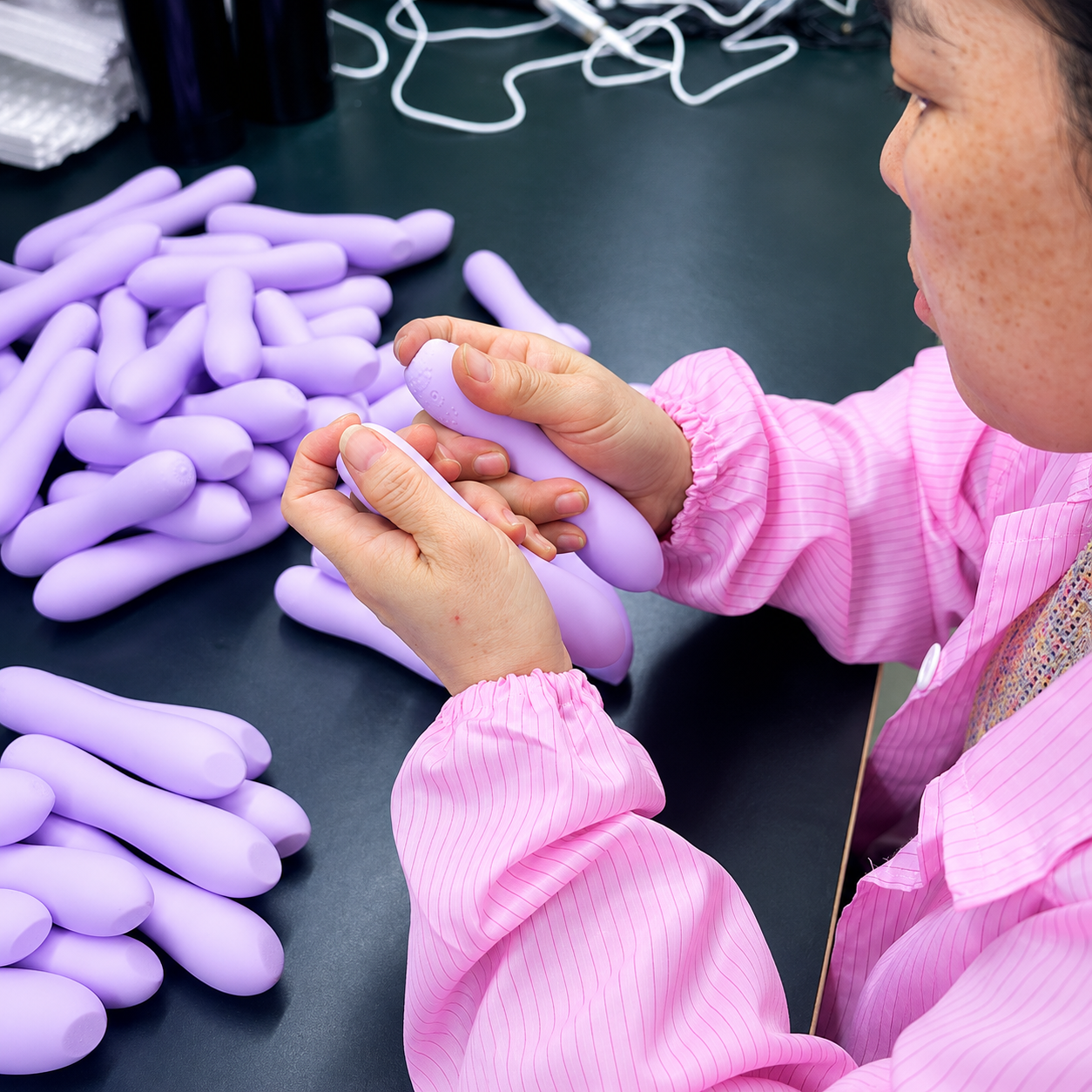
At 10 to 100, you’re forecasting real volume, and that’s when full OEM sex toys manufacturing, proprietary tooling, exclusive moulds and registered design protection, actually earns back its upfront cost. Recommended model: full OEM.
One decision rule matters more than any of the above: if you can’t forecast your volume with any confidence, don’t buy tooling yet. Moving from ODM to OEM later means re-tooling and re-certifying from scratch, so jumping to OEM before you can actually forecast demand usually costs you twice.
| Business Stage | Recommended Model | Primary Reason |
|---|---|---|
| 0 to 1 | Private label or white label | Lowest commitment, fastest proof of demand |
| 1 to 10 | ODM | Deeper customisation while volumes still allow iteration |
| 10 to 100 | Full OEM | Proprietary tooling and registered design protection justify the investment |
How White Label Fits Between Private Label and ODM
White label is the fastest on-ramp you’ll find in this category: an existing product, existing test reports, your logo and nothing else changed.
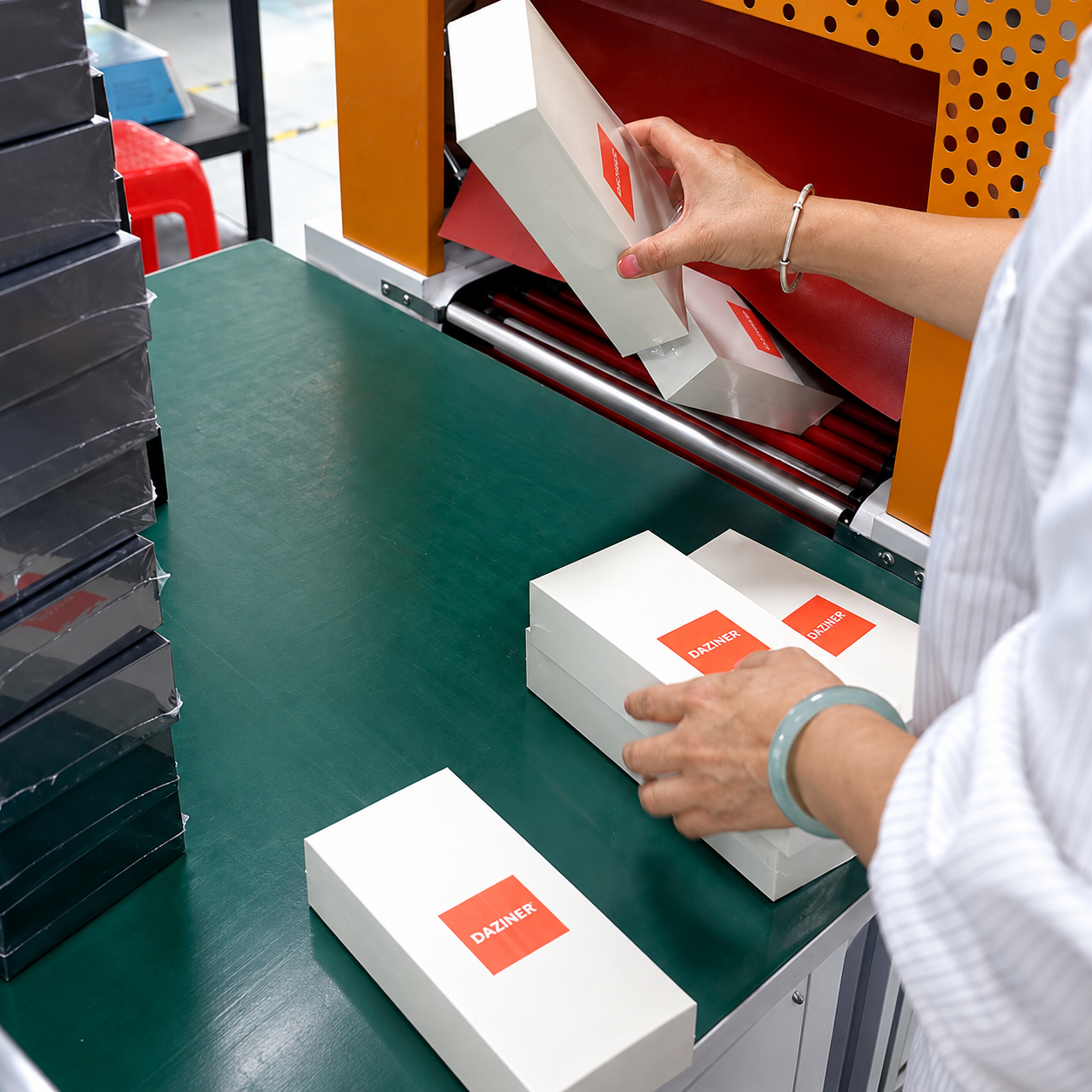
That speed comes with real trade-offs. You get the lowest differentiation of any model here, the highest risk that an identical unit is sitting on a competitor’s shelf under a different name, and limited pricing power as a direct result of both. White label makes sense when you’re entering a new market, adding an adjacent SKU to a line you already run, or testing a seasonal promotion, cases where speed matters more than owning the presentation. Private label asks for more than that: it buys you packaging, documentation and branding control that white label simply doesn’t include, which is why it costs a bit more time and still lands well below ODM or OEM on both investment and lead time.
Factory Due Diligence and Common Buyer Mistakes
Before you commit to any manufacturer under any of these three models, a short document checklist protects you more than a long conversation does.
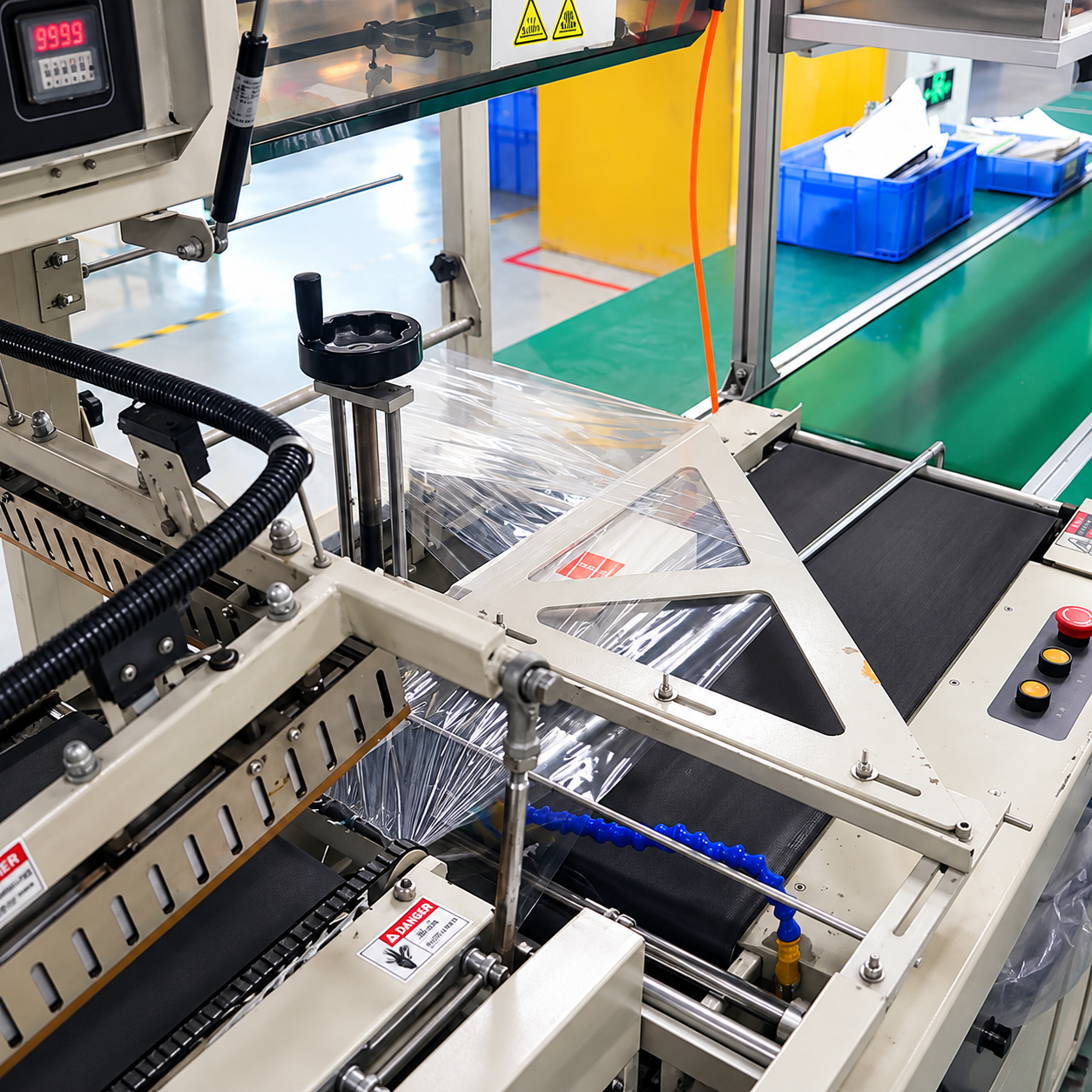
Ask for ISO 9001 documentation, recent compliance audits, material test reports and certificates of conformity before you place a deposit, not after. The certification chain changes by destination market: CE and RoHS cover the EU, REACH governs the chemical substances in the materials themselves, and US-bound shipments carry their own separate rules depending on the exact product category. ISO 9001 itself only confirms that a factory’s quality management system was independently audited against the standard, it says nothing about a specific product’s material safety on its own, which is exactly why you still need the material test reports alongside it.
On materials specifically, ask directly about body-safe silicone grade, phthalate-free claims, motor life-cycle testing and battery certification, rather than accepting a generic “body-safe” label at face value. The most common mistakes buyers make here are specifying too few SKUs to justify the model they picked, leaving tooling and IP ownership undecided until late in the relationship, and comparing ex-works prices across suppliers while ignoring how MOQ and compliance cost actually differ between them. Each of these mistakes is cheap to avoid early and expensive to unwind once tooling or a production run is already committed. A supplier offering OEM and ODM manufacturing services with in-house tooling and documented compliance under one roof removes most of this risk before it becomes your problem.
Not Sure Which Model Fits Your Brand?
Tell us your target market, price band and launch window, we will recommend the model and confirm what is feasible at your volume.
Wholesale: quote-ready specification sheets on request. OEM and ODM: tooling and sampling for custom geometries. Private label: your brand, our production.
Request a Private-Label or OEM Quote – See Our Manufacturing Capabilities
ISO 9001 quality management – EU and US compliance documentation on request – NDA and tooling ownership agreed before production
FAQ
What is the difference between OEM, ODM and private label?
OEM gives you the most control, since you own the design and the factory builds to your specification. ODM gives you less control, since the factory owns the design and you apply your brand to it. Private label gives you the least control of the three, since you’re selling the factory’s existing product under your brand alone, trading control for the fastest path to market.
Is private label the same as white label?
No. White label changes only the logo. Private label adds packaging, documentation and ownership of the presentation, which is why it sits a step above white label on both investment and differentiation.
Which model is cheapest for a new brand?
Private label or white label is the cheapest route for a new brand, since neither one requires tooling. That saving shrinks the larger your order gets, once OEM’s tooling cost gets spread thin enough across volume to dominate the comparison.
Who owns the mould in an OEM project?
It depends entirely on the written agreement you sign, so insist on a tooling ownership clause before you make the first production payment. Without one, you may have paid for a mould you don’t actually own.
How long does launching a custom product take?
Expect sampling, tooling, mass production and final QC to stack into a multi-stage timeline that runs longer the more customisation and new tooling you ask for. Treat any specific week count a supplier gives you as an estimate conditional on your approvals landing on time, not a fixed promise.
Can one factory handle private label now and OEM later?
Yes, as long as you choose a manufacturer with in-house tooling and compliance capability from the start, so migrating from private label to OEM later needs no new supplier relationship at all.