

A B2B sourcing guide for clitoral, egg and prostate vibrators needs one evaluation framework without pretending the three categories fail in the same way. Buyers usually evaluate these products separately, then try to compare quotations side by side. The quotations are not comparable when each category was assessed against different questions.
This vibrator sourcing guide covers the stage between shortlisting suppliers and issuing an RFQ: sample evaluation. It gives buyers one scorecard across all three categories so a clitoral vibrator, an egg and a prostate massager can be judged on the same six dimensions and ranked against each other. The main risks are scoring a category on the wrong criteria, averaging away a safety-critical failure, and building an assortment where one category quietly generates most complaints.
Quick rule: Keep the six evaluation dimensions constant, but change the pass condition inside each dimension to match the category.
Reject any sample that fails retrieval geometry, sealing integrity, or edge and seam finish before calculating a weighted score.
Key Takeaways
- The three categories fail differently, so a single generic evaluation will miss the point in at least two.
- Treat safety-critical points as pass-or-fail gates, not one line inside an averaged score.
- Complaint exposure is a sourcing hypothesis to test, not a measured ranking, unless you can cite a defined warranty dataset.
- Ask for certification as a market-specific compliance matrix, not a general list.
How This Guide Uses Category Terms
Egg, bullet, clitoral vibrator, air-pulse and suction product all appear in supplier catalogues, and the terms overlap enough to cause RFQ mismatches.
This guide separates form factor from stimulation mechanism. Egg and bullet describe shape and size: small and typically corded or remote. Clitoral vibrator describes the target use, either surface contact or air-pulse and suction. Prostate vibrator describes both a use and a required geometry. Use the same category names in your RFQ, scorecard and FAQ, and ask your supplier which listed models actually match your intended definition before requesting pricing.
Why One Framework Works Across Three Categories
These products may share some subsystems, but the bill of materials can differ meaningfully between models. One supplier’s egg vibrator might use a single motor and a silicone shell; another might add a TPE contact layer, an ABS housing, or a separate air pump for a suction variant. Do not assume a common construction across categories or across two models in the same category. Confirm every body-contact material, housing material and actuation system by model, drawn from the bill of materials rather than inferred from the product photo.
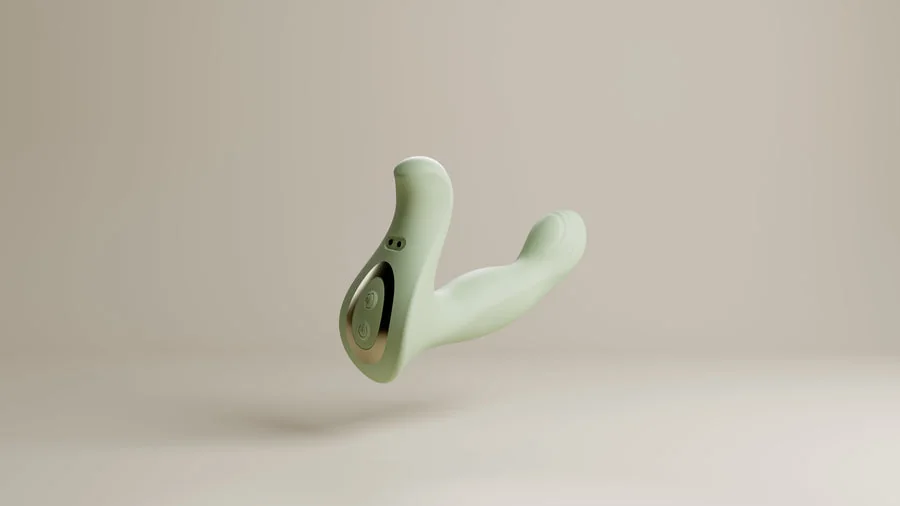
A clitoral vibrator is judged on sensation delivery at the surface. An egg is judged on retrieval and sealing. A prostate massager is judged on internal geometry. Scoring them on one sheet works as long as the six dimensions stay constant while the pass condition inside each dimension changes by category. That gives you a ranked shortlist instead of three separate impressions.
Supplier evaluation sits underneath all of it. Our guide to choosing an adult toy factory covers the ground to settle before product-level scoring begins. Request a compliance matrix rather than a general certificate list, since CE marking, RF equipment authorization, restricted-substance rules and transport testing each carry a different scope and responsible party. Ask your supplier to state, per model and market: the applicable rule, who is responsible, the model or configuration covered, the report reference, and its validity period. WINYI’s sex toy certification overview and laboratory and testing resources provide useful context for that review.
Clitoral Vibrators: Decide the Mechanism First
Two mechanisms compete in this category, and choosing between them is a sourcing decision rather than a styling one.
Contact vibration delivers sensation through direct pressure against the surface. Air-pulse and suction models move air inside a sealed chamber against the same area. They feel different, fail differently and carry different unit costs.
Contact models put your quality risk in the motor and mounting. Ask for intensity measured at a named setting and confirm it repeats across sampled units, since unit-to-unit variation is a common complaint driver here.
Air-pulse models put your risk in the seal and pump. Confirm how the chamber seals against the body, and check that suction holds when the head is pressed against a flat surface.
Decide which mechanism you are buying before requesting pricing. A quotation that does not name the mechanism cannot be compared against one that does.
Egg Vibrators: The Cord and Seal Decide Your Return Rate
Egg and bullet products look simple and carry two structural risks that larger products do not.
Retrieval. Corded models depend entirely on the cord and its anchor point. Specify the cord material, anchor construction and a pull test with the fixture, load, direction and pass threshold agreed in advance. For wireless models, confirm what the retrieval feature is and record it on the specification.
The seal at the cord entry. Water ingress in this category concentrates where the cord meets the body and at the charging contacts. Our guide to how bullet vibrators are manufactured describes waterproofing on this format as typically reaching IPX6 or IPX7, with every unit tested rather than a sample. Treat that as a process description to verify per model, not a fact for your whole range. IPX6 and IPX7 are different tests under IEC 60529 and are not interchangeable. Ask for the exact IP code on that model, the IEC 60529 edition tested, the report reference, and whether inspection is 100 percent or sample-based before relying on either rating.
Ask the same question about functional testing generally—all units or a sample—in writing. On a small sealed product, the difference shows up in your return rate rather than the sample you approved.
For remote and app models, confirm pairing range and how the product behaves when the connection drops mid-use. For connected concepts, review the site’s app-controlled toy development options before fixing the RFQ scope.
Prostate Vibrators: Geometry Does the Work
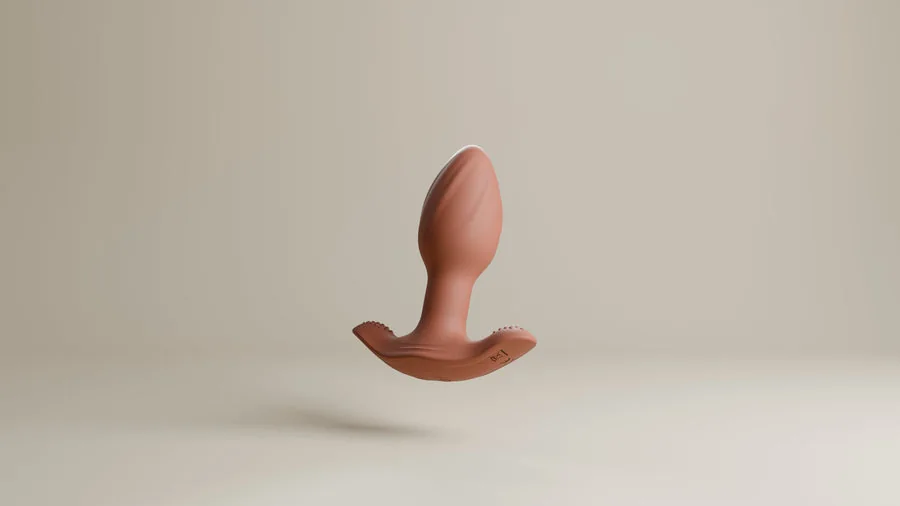
For products intended for anal use, treat retrieval geometry as a safety-critical design input, not a feature to take on faith from a product photo. A base or handle that prevents full insertion is directionally correct, but it is not by itself proof of safety. Base or handle dimensions, intended use and verification method belong in a documented risk assessment for your destination market, sitting behind every product you list, not just its promotional description.
Beyond that, this category is decided by shape.
- Curve and angle. The insertable section has to reach and hold position. Small changes in curve radius or angle change whether the product works at all and cannot be adjusted after tooling.
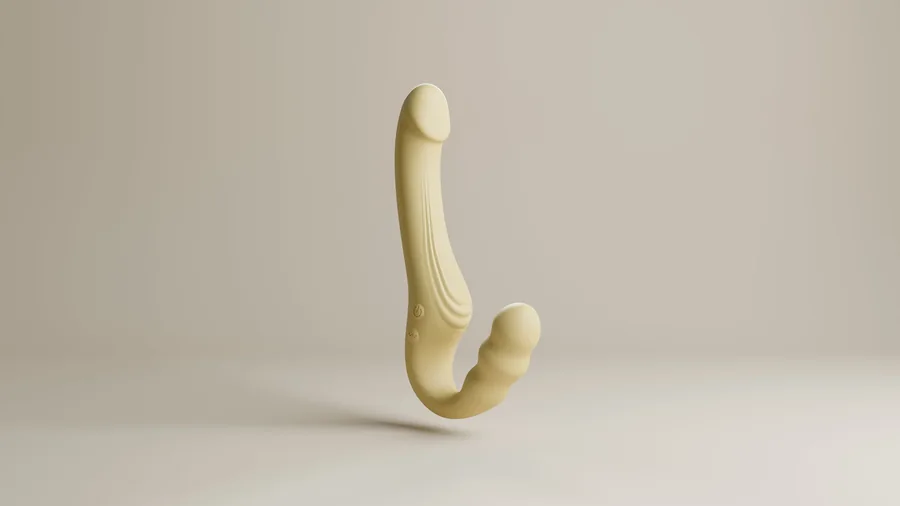
- Perineal arm, where fitted. Confirm arm length, flex and the seal at the joint between arm and body.
- Intensity at depth. A motor that feels strong in the hand can feel weak in use because sensation travels through more material. Ask for intensity measured at a named setting and confirmed on the finished product, not a bare motor.
- Rigidity. The product needs enough firmness to hold its shape under pressure while staying comfortable. Specify hardness with its scale, instrument and test conditions, since a durometer figure alone is incomplete and a plaque reading should never approve a finished product.

Channel Fit and Complaint Risk
Treat this as a sourcing hypothesis to test against your own returns data, not a ranked fact. None of the patterns below are drawn from a warranty dataset; they are common risk points worth watching, and your own after-sales records should confirm or correct them.
| Category | Best channel fit | Common risk to watch | What reduces it |
|---|---|---|---|
| Clitoral, contact | Broad retail, gifting, marketplace | Intensity weaker than expected, unit variation | Intensity measured at a named setting and confirmed across sampled units |
| Clitoral, air-pulse | Specialist and premium retail | Seal failure, inconsistent suction | Seal method confirmed and suction hold tested on the sample |
| Egg, corded or wireless | Discreet retail, couples ranges | Retrieval anxiety, water ingress | Cord pull test and sealing at cord entry |
| Egg, app or remote | Online, long-distance ranges | Pairing loss, app support load | Pairing range tested and drop-out behaviour defined |
| Prostate | Specialist retail, education-led | Fit or angle mismatch for the user, weak sensation at depth | Geometry recorded on the specification and intensity confirmed on the finished product |
Prostate products may need more fit guidance than the other categories because anatomical fit varies more between users. Plan customer guidance alongside the order rather than after launch, and revisit this table against your own complaint data once you have it.
Your Sample Scorecard
Gate the scorecard before you weight it. Any sample that fails a safety-critical requirement—retrieval geometry, sealing integrity, or edge and seam finish—is rejected outright regardless of its score elsewhere. Only samples that clear the gate move to weighted scoring.
Before testing begins, agree your sample size, the minimum weighted score to proceed and a tie-break rule for equal scores. Weight the remaining dimensions to your channel: a marketplace range usually weights noise and intensity higher, while a specialist range usually weights materials and finish higher. A documented sex toy sample approval checklist helps keep the evidence consistent across revisions.
| Dimension | What you record | Pass condition | Gate or weighted |
|---|---|---|---|
| Structure | Category-critical geometry: base, cord anchor, curve, chamber | Recorded on specification with tolerance | Gate |
| Safety | Pull or retention test, edge and seam finish | Method and threshold agreed in advance | Gate |
| Water resistance | Rating claimed, scope of rating, verification | Evidence supplied, not asserted | Gate |
| Intensity | Output at a named setting on the finished product | Repeats across sampled units | Weighted |
| Noise | Distance, background level, mode, measured result | Below an agreed threshold | Weighted |
| Materials | Grade and test evidence for skin-contact parts | Tied to your production batch | Weighted |
What to Put in Your RFQ
Send these items together and the quotations come back comparable:
- Category and mechanism, named explicitly using the taxonomy above
- Target size and the geometry point that matters for that category
- Quantity per item, plus a second quantity for comparison
- Customization depth, from logo through to new tooling
- Test methods and pass thresholds, including IP code and IEC 60529 edition if water resistance matters
- Whether functional testing is applied to all units or a sample, per model
- A compliance matrix by market: applicable rule, responsible party, model, report reference and validity period
- Packaging format, barcode requirement and destination
- Your in-hand date
Use the site’s detailed sex toy RFQ guide to structure commercial fields and revision control before sending the request.
Send This for a Feasibility Review
WINYI manufactures across all three categories on an OEM and ODM basis and can quote them together at matched quantities. Browse the current vibrator product range, review the available OEM and ODM manufacturing services, then send your target market, product type, quantity, customization depth and compliance needs for a feasibility and RFQ review.
Frequently Asked Questions
Can I source all three categories from one supplier?
Often yes, though confirm it category by category rather than assuming. Ask which categories the factory tools and assembles in house, and score samples from each on the same six dimensions before consolidating an order.
What is the most common sourcing mistake in these categories?
Comparing quotations built against different questions. A clitoral vibrator quoted on motor intensity and an egg quoted on sealing are not comparable until you score both on the same framework and taxonomy.
What should I check first on a prostate vibrator sample?
Structure, as a gate rather than a weighted score. Base geometry and curve are fixed at tooling, so an error there means new tooling rather than a process fix, and it should fail the sample outright regardless of how it scores elsewhere.
Do egg vibrators need a different water resistance standard?
They need the rating verified per model rather than assumed from a general description. Ask for the exact IP code, the IEC 60529 edition, the report reference and whether inspection is 100 percent or sample-based, since IPX6 and IPX7 are different tests and are not interchangeable.
How do I keep complaint rates down across a mixed assortment?
Treat complaint exposure as something to test, not assume. Set intensity and noise thresholds you can reject against, confirm sealing evidence per model, and build your own after-sales dataset so the channel-fit patterns here can be checked against real returns.