

Rose-shaped clitoral stimulators are available from many suppliers, and the outer shape is the easiest part to copy. That makes it the least useful part for comparing suppliers, since it tells you nothing about how the product actually performs.
Judge a wholesale rose vibrator on its air chamber and seal, its noise and battery figures, the silicone grade, and the assembly finish. Those decide what your customer feels. Your customization depth then sets your minimum order quantity, usually more than the product choice does. Requirements also shift by channel, covered later for marketplace sellers and retail chains.
Key Takeaways
- Suction performance comes from the air chamber and seal underneath, so two units with the same silhouette can feel very different.
- Ask for the test conditions behind any performance word. Quiet, waterproof and long-lasting mean little without a stated method and threshold.
- Customization moves your MOQ in tiers. Logo and colour sit lowest, custom retail packaging sits higher because printer minimums apply, and structural changes sit highest because they need tooling.
- Agree a sample acceptance sheet and a production acceptance sheet before you pay a deposit, then hold both orders to one signed reference sample.
Why Rose Vibrators Are Hard to Compare
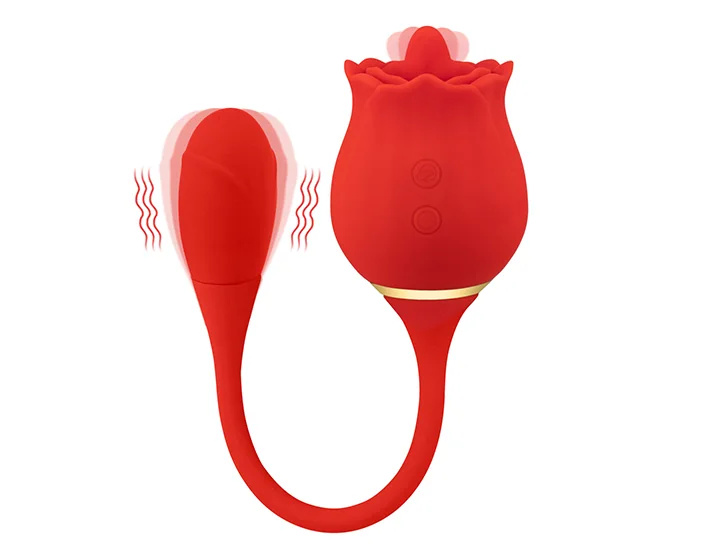
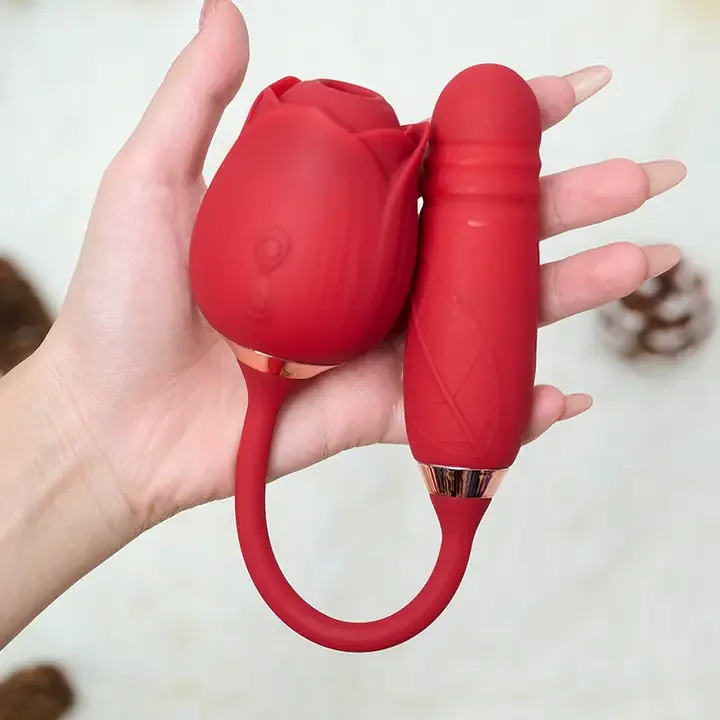
Most wholesale suppliers work from a similar silhouette, so photos and unit price give you very little to work with.
Performance sits underneath the housing. A clitoral suction toy moves air inside a sealed chamber. Change the chamber volume, the membrane, the pump, or how tightly the silicone head fits the body, and the sensation changes even when the outside looks the same.
Comparison becomes possible once each supplier commits the same details to writing.
Seven Checks to Run on the Sample
- Air path and chamber. Ask how the chamber seals against the body and how the head is fitted. Press the head against a flat surface and check whether the suction holds. Weak or inconsistent pull usually traces back to the seal rather than the motor.
- Sealing and water resistance. Ask for the exact IP code under IEC 60529 (Edition 2.2, with 2013 and 2015 corrigenda), the test configuration, and whether it covers the whole unit or only the head. A higher numeral does not prove a different water test was run, splash and immersion are separate commitments, so ask for the exposure actually verified rather than accepting “waterproof” as a label. Confirm the charging port separately, since that area fails often.
- Noise. Get the measurement distance, the background level, the operating mode tested, and a threshold you can reject against. A figure quoted without its method gives you nothing to inspect.
- Battery and charging. Confirm cell capacity and charging interface, then treat the charge cycle count as an engineering-validation claim rather than a production check: a usable figure needs a stated charge and discharge profile, test temperature, an end-of-life capacity threshold, and a defined sample size. For production acceptance, check what is feasible instead: charge time, runtime at a named setting, temperature rise, and batch traceability. Runtime quoted at the lowest setting rarely reflects normal use.
- Materials. Confirm which parts are silicone and which are ABS underneath, then confirm the grade and test evidence for every skin-contact part. Do not accept “medical-grade silicone” alone as a safety claim, since a grade name or supplier declaration does not prove the finished product is safe for its intended contact. Ask for material and lot traceability, the applicable regulatory declaration, and biocompatibility evidence matched to how and how long the product touches skin, per the FDA’s guidance on ISO 10993-1.
- Hardness and feel. If the softness of the silicone head matters to your positioning, specify it properly. Our guide to sex toy material hardness explains why a durometer reading without its scale, instrument and conditions is incomplete, and why a plaque reading alone should never approve a finished product.
- Assembly quality. Check parting lines, seam gaps, glue seepage around the head, and button feel. Customers photograph these defects and post them.
Ask for Conditions Behind Every Claim
Strong suction, medical-grade silicone, long battery life and waterproof are marketing terms until someone attaches a test condition and a threshold to them. Write the standard you need into your purchase order, and ask for evidence tied to your exact material, finish and batch. Suppliers who cannot produce that are worth a second look before you commit.
Customization: What Moves Your MOQ
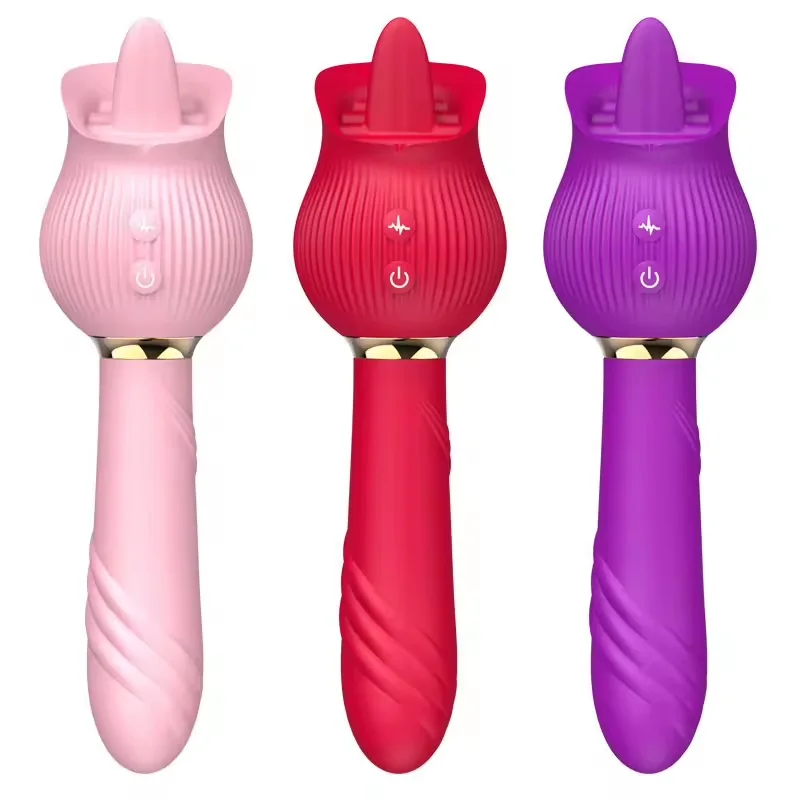
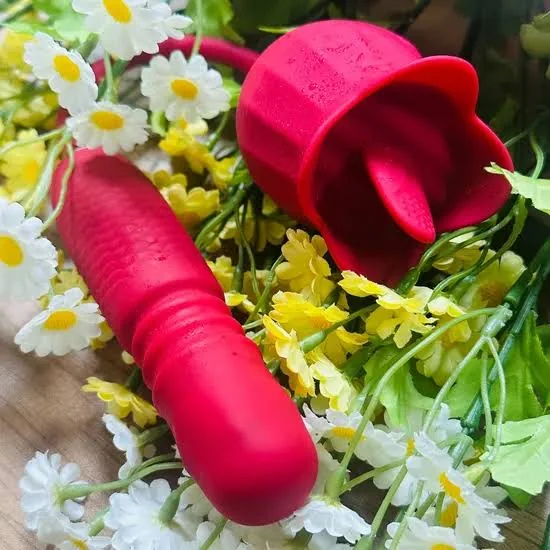
Depth of customization drives your minimum, in tiers. Treat the table below as indicative rather than guaranteed, since your actual MOQ also depends on production setup, colour batching, materials, components, order fit and supplier policy.
Ask for a written MOQ at each level for your exact model, at two quantity breaks, including any separate packaging or component minimum. Buyers tend to underestimate two of these tiers.
Packaging minimums usually come from the printer rather than the toy factory. A modest product quantity can still trigger a much larger carton minimum, which is why custom retail packaging often costs more to start than the logo work most buyers worry about.
Structural changes require tooling, which brings a cost, a lead time, at least one sample round, and a question about mould ownership and storage. Settle those points in writing before you approve anything.
| Customization level | Typical example | Effect on MOQ | What to confirm |
|---|---|---|---|
| Logo only | Laser mark or print on an existing model | Usually lowest | Placement, method, durability after cleaning |
| Colour change | New silicone or housing colour | Low to moderate | Pantone reference, batch colour tolerance |
| Packaging | Custom retail box, insert, manual | Moderate to high | Printer minimums, barcode, market labelling |
| Structural | New head shape, chamber, or housing | Highest | Tooling cost, ownership, lead time, sample rounds |
What Actually Decides Your MOQ
Your minimum follows your order type, not one fixed number.
A stock model with no changes carries the lowest minimum. Add your logo and it rises. Move to custom packaging and it rises again, since the printer’s minimum now governs the order. Our guide on how to place a bulk adult toy order covers confirming the minimum for your order type and getting a stage-by-stage timeline rather than a single delivery date.
Ask precisely: give the model, colour, logo method, packaging format and destination market in one line, and you get a workable figure back instead of a range.
Suppliers advertising a low MOQ are almost always quoting the stock configuration, so check what that number becomes once your logo, colour and packaging are added. If testing a new category, ask whether a low MOQ first order is possible against a stated reorder commitment, and confirm the sample cost, whether freight is charged separately, and whether it’s credited back once bulk production is confirmed.
A marketplace seller testing demand and a retail chain filling a planogram usually land on different answers here: the marketplace seller wants the smallest quantity and fastest sample turnaround, the retail chain needs custom packaging and a consistent print run. State which one you are before you ask for a quote.
Your Sample Acceptance Sheet
Approve samples against a written sheet and record each line as pass, fail or conditional.
| Check | What you record |
|---|---|
| Dimensions and weight | Measured figure against target, with tolerance |
| Suction hold | Method used, result, and whether it repeats |
| Noise | Distance, mode, background level, measured result |
| Water resistance | Rating claimed, scope, verification evidence |
| Battery | Runtime at a named setting, full charge time |
| Colour | Pantone reference and agreed tolerance |
| Silicone feel | Specified hardness with scale and conditions |
| Assembly | Seams, glue, parting lines, button feel |
| Packaging | Print quality, barcode scan, insert fit |
| Documentation | Test reports tied to this material and finish |
Once a sample passes, seal it as your reference, the Golden Sample. Number it, date it, sign it, and keep one copy each. A sealed unit alone does not guarantee reorder consistency; hold it alongside the approved specification, BOM, drawings, firmware, artwork and test records, and reconfirm those revisions and the critical tests on every lot and reorder, not only the first.
Your Production Acceptance Sheet
Before shipment, confirm the goods still match what you approved. Check finished units against the sealed reference for colour and feel. Confirm suction and noise on a sampled quantity using the method agreed at sample stage. Verify battery function and charging on those units. Inspect assembly, seams and head fit. Scan barcodes and check retail print quality. Confirm carton count, marks and weights against the packing list before loading.
Agree your sampling plan in writing before production starts. Record the standard and edition, ISO 2859-1:2026, published January 2026 and replacing the 1999 edition, plus the lot size, inspection level, AQL values, and the resulting sample size and acceptance/rejection numbers. Keep safety-critical checks, such as the seal, battery protection and contact-material evidence, separate from general appearance sampling. A zero-acceptance rule for named critical defects is a contractual policy, not a claim that AQL sampling finds every defect.
Send This and You Will Get a Usable Quotation
Provide these and you get real figures back:
- Your target market and destination country
- Product type and the reference model you are quoting against
- Quantity, plus a second quantity to compare
- Customization depth: logo, colour, packaging or structural
- Pantone references and any packaging artwork requirements
- Compliance or test documentation your market requires
- Your in-hand date
WINYI supports OEM and ODM development on clitoral suction and vibrator models, quoting a stock configuration alongside a customized one at the same quantity so the gap is visible. Browse the current vibrator range, then send your target market, product type, quantity, customization depth and compliance needs for a feasibility and RFQ review.
FAQs
What MOQ should I expect for wholesale rose vibrators?
Ask for it against your exact configuration rather than in general. A stock model with no changes carries the lowest minimum, and any low MOQ quoted on a listing normally refers to that version. Logo work raises it modestly, custom packaging raises it further because printer minimums apply, and structural changes raise it most because tooling is involved.
Is a rose vibrator the same as a clitoral suction toy?
Functionally, most are. The rose is a housing shape applied to an air-pulse or suction mechanism. Judge the mechanism rather than the silhouette, since the chamber, seal and pump determine what your customer feels.
How do I compare two suppliers quoting the same product?
Ask both for the same written specification: material and grade, silicone hardness with scale and conditions, noise with a stated measurement method, ingress protection rating and scope, battery capacity and runtime at a named setting, and documentation tied to your batch. Price differences usually become explainable at that point.
Can I start with a small test order and scale later?
Often yes, particularly on a stock configuration. Ask whether a lower first quantity is possible against a stated reorder plan, and confirm what happens to pricing at each tier so your second order holds no surprises.
What should I lock down before paying a deposit?
The specification, the sealed reference sample, the acceptance criteria for sample and production stages, the tooling ownership and storage terms if structural work is involved, and a stage-by-stage timeline covering sample approval, artwork approval, production, inspection and shipping.