

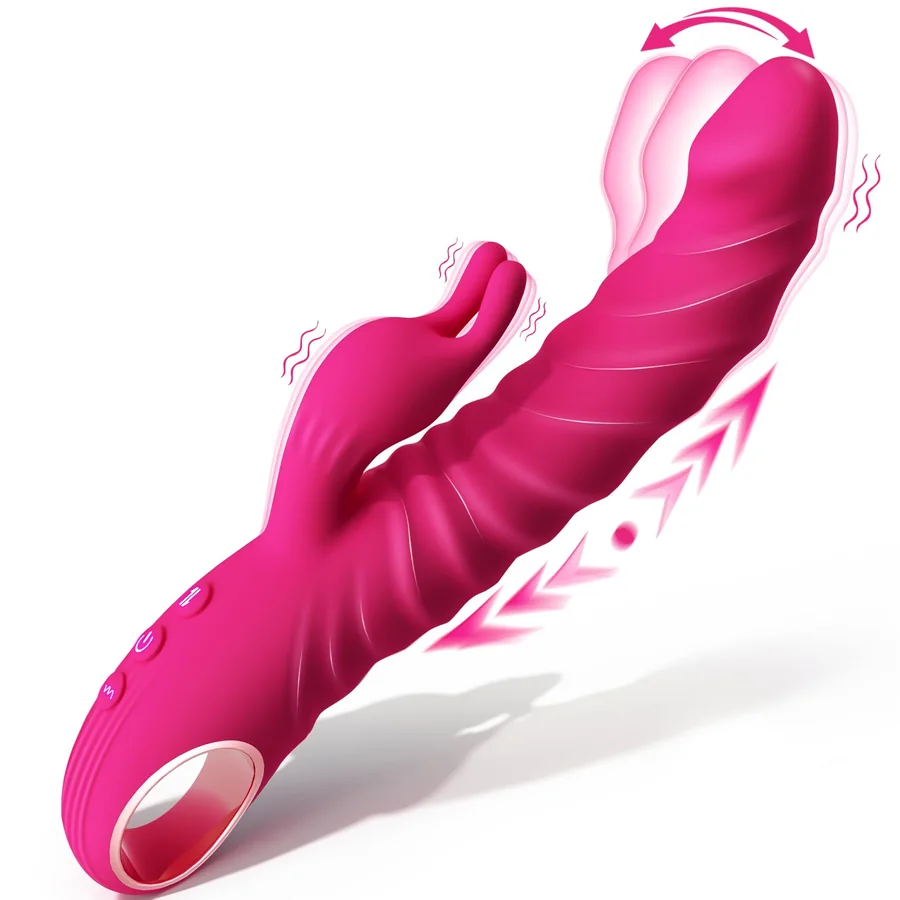
Qualify a thrusting vibrator supplier on three evidence types together: test results against your own specification, factory-process evidence, and compliance documentation for your market. A thrusting vibrator’s drive mechanism, commonly cam-and-rail or crank-slider, fails in ways a standard vibrating motor doesn’t: rail wear, cam slippage, seal fatigue at a moving joint. Confirm which architecture your supplier actually builds rather than assuming one design.

Key Takeaways
- A thrusting vibrator’s drive mechanism is a distinct engineering problem from a standard vibrating motor, so your evaluation needs checks specific to moving mechanical parts, not just motor and battery checks.
- Not all twelve checks carry equal weight. Classify each critical (safety or regulatory), major (reliability), or minor (cosmetic) before deciding how a failure gets handled.
- Several standards referenced below are narrower in scope than often assumed; “Reading the Standards Correctly” explains what each one actually proves.
Scope and Use
This is a preliminary supplier-qualification checklist for private-label brands, importers, product engineers, sourcing managers, and quality teams, not a complete safety assessment, regulatory approval, factory audit, or lab-testing substitute. It covers the mechanical, ingress, battery-documentation, material, process, and change-control risks specific to a thrusting mechanism, not the charger, charging protection, wiring, control electronics, firmware, wireless functions, cybersecurity, or privacy; add those as separate modules when applicable.
Before testing anything, define your specification: intended use, dimensions, stroke, thrust, speed, duty cycle, noise target, runtime, charging method, water-resistance claim, materials, destination market. A check cannot pass or fail against an undefined target.
For each check, record who’s responsible (supplier, inspection company, or an accredited lab), which production stage it applies to (design verification, sample approval, pilot run, mass production), and an evidence status instead of a flat pass or fail: verified independently, supplier document only, expired, mismatched, or not supplied. A “needs evidence” result is not a confirmed failure; treat it as not-yet-qualified until the supplier closes the gap. Reserve disqualification for the most serious findings: falsified reports, mismatched model numbers, unauthorized substitutions, a failed critical safety test, or refusal to allow traceability checks. Route everything else through a corrective-action step: investigate, correct, retest, document, re-approve. A full endurance-test protocol, complete factory audit, or destination-market compliance mapping goes beyond what this checklist alone can carry; treat it as the first gate, not the last.
The 12-Point Checklist
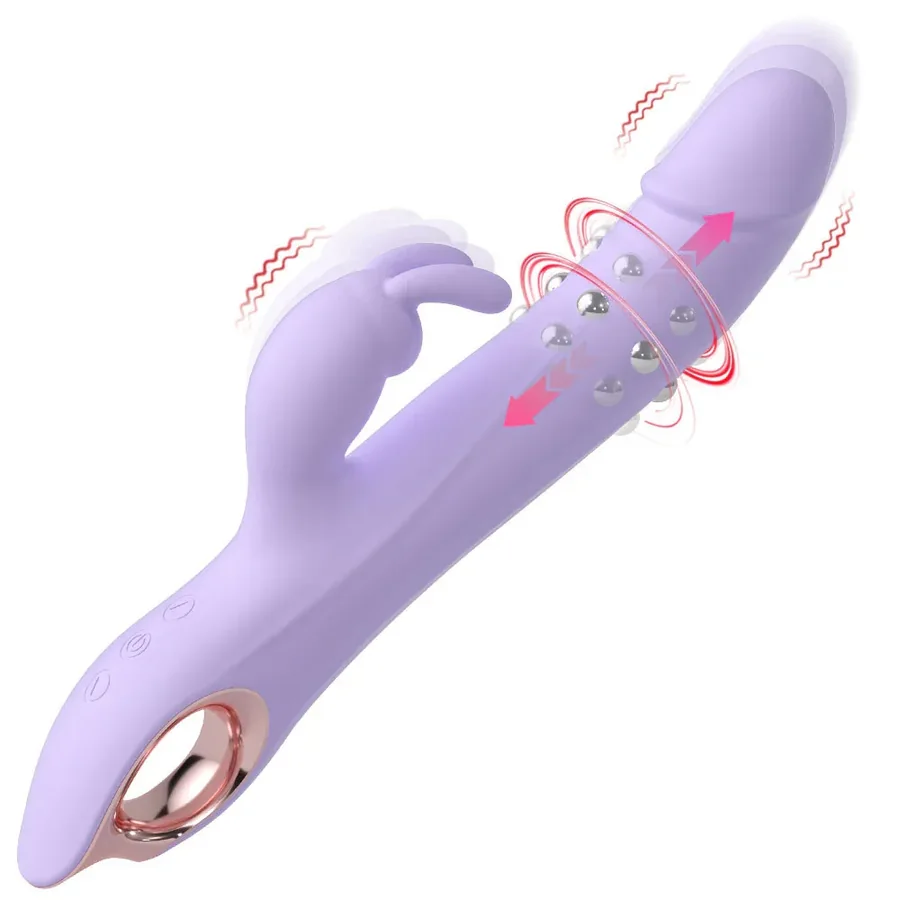

Minimum test-record fields. For checks 1–5 and 10, a usable test record states the fixture, sample size, conditioning, environment, load, mode, measurement position, instrument, threshold, and retest rule, referenced to the approved spec revision and sample identity. A result missing these fields isn’t comparable to another supplier’s, even if both report a passing number.
| # | Severity | Check | Verification method | Failure signal |
|---|---|---|---|---|
| 1 | Major | Drive life | Duty-cycle operation to an agreed cycle count, with teardown inspection of gears, seals and rails afterward | Thrust or stroke drops, noise rises, or teardown shows wear before the agreed count |
| 2 | Major | Thrust force | Force gauge measurement; specify peak, continuous, or stall force, since stall alone says little about normal use | Measured force falls short of spec, or a supplier substitutes stall for continuous force without saying so |
| 3 | Minor | Stroke length | Measurement against a defined fixture; confirm whether stroke should change across speed modes or stay fixed | Stroke shorter than spec, or an undocumented change between modes |
| 4 | Minor | Noise level | dB(A) measurement at a stated distance and mode, before and after endurance testing, distinguishing a numeric rise from abnormal rattling | Noise exceeds an agreed limit, or a new abnormal tone appears after endurance testing |
| 5 | Critical | Heat | Surface, internal, battery, and charging temperature measured separately during a defined load and duration | Any measured point exceeds a limit set by a documented safety assessment, not an unstated “safe ceiling” |
| 6 | Critical | Water resistance | Testing against the relevant IEC 60529 clause for the claimed code (for example IPX7); request separate seal-durability evidence at the moving joint after cycling, since the ingress test alone doesn’t cover repeated movement | Fails the ingress test, or the moving-joint seal leaks after cycling that a static test never checked |
| 7 | Critical | Battery | Cell identity, protection circuit, charging control, and a UN 38.3 test summary (model, Wh rating, report ID, Manual revision) matched to the actual cell used | Documentation doesn’t match the actual battery configuration, or is missing regardless of shipping mode |
| 8 | Critical | Body-contact materials | Material grade, cure system, and formulation identification for the finished color and compound, not a raw base polymer; see “Reading the Standards Correctly” | Supplier offers a grade name or “medical-grade” claim with no formulation-specific test report behind it |
| 9 | Major | Assembly QC sampling | AQL-indexed sampling plan (edition, lot size, inspection level, AQL, accept/reject numbers) for lot-acceptance characteristics; safety-critical items get a risk-based control plan instead | No defined plan, or a safety-critical characteristic sampled at the same loose level as a cosmetic one |
| 10 | Major | Aging and material stability | Defined temperature, humidity, and duration with a stated rationale, plus post-aging inspection for hardening or reduced flexibility | Degradation before the agreed duration, or an aging claim with no defined protocol behind it |
| 11 | Major | Documentation and traceability | Traceability to production lot, date, and (where relevant) battery-cell batch, linked to a real quality system, not assumed from an ISO 9001 certificate alone | Can’t produce a documentation sample, or can’t trace a unit back to its batch |
| 12 | Critical | Change control | Written approval required before any change to critical materials, dimensions, cells, motors, firmware, or safety components, with the golden sample and its BOM updated to match | An undocumented change reaches production, or the golden sample no longer matches what’s shipping |
Reading the Standards Correctly
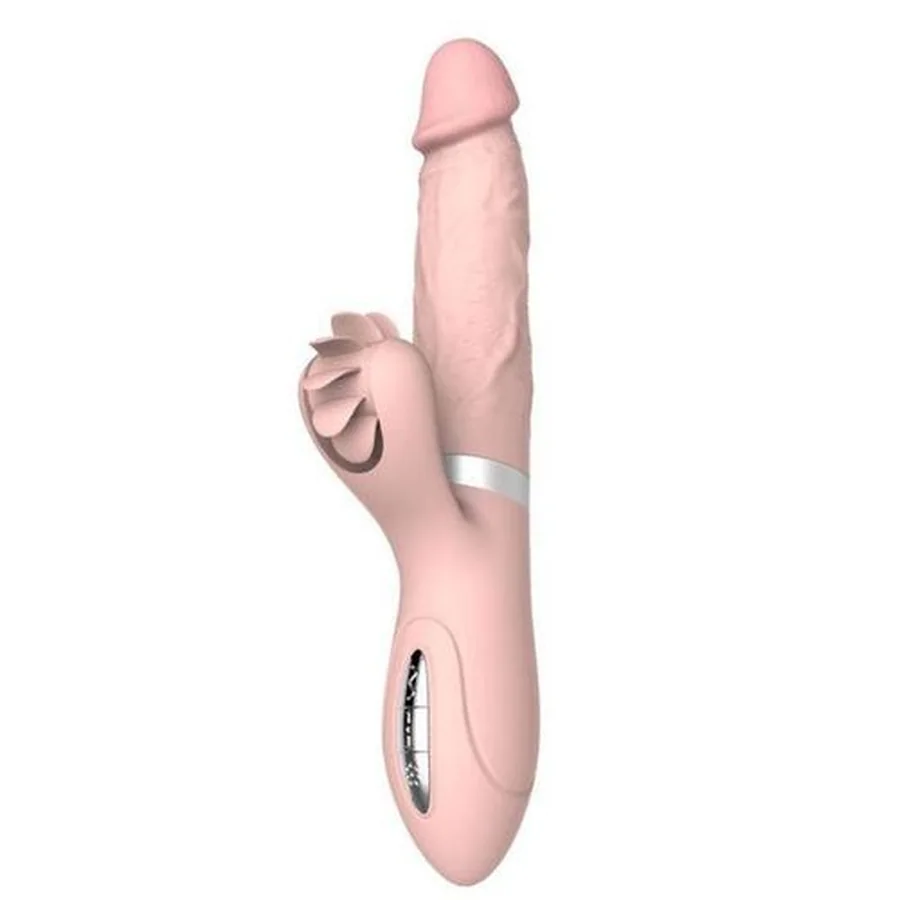
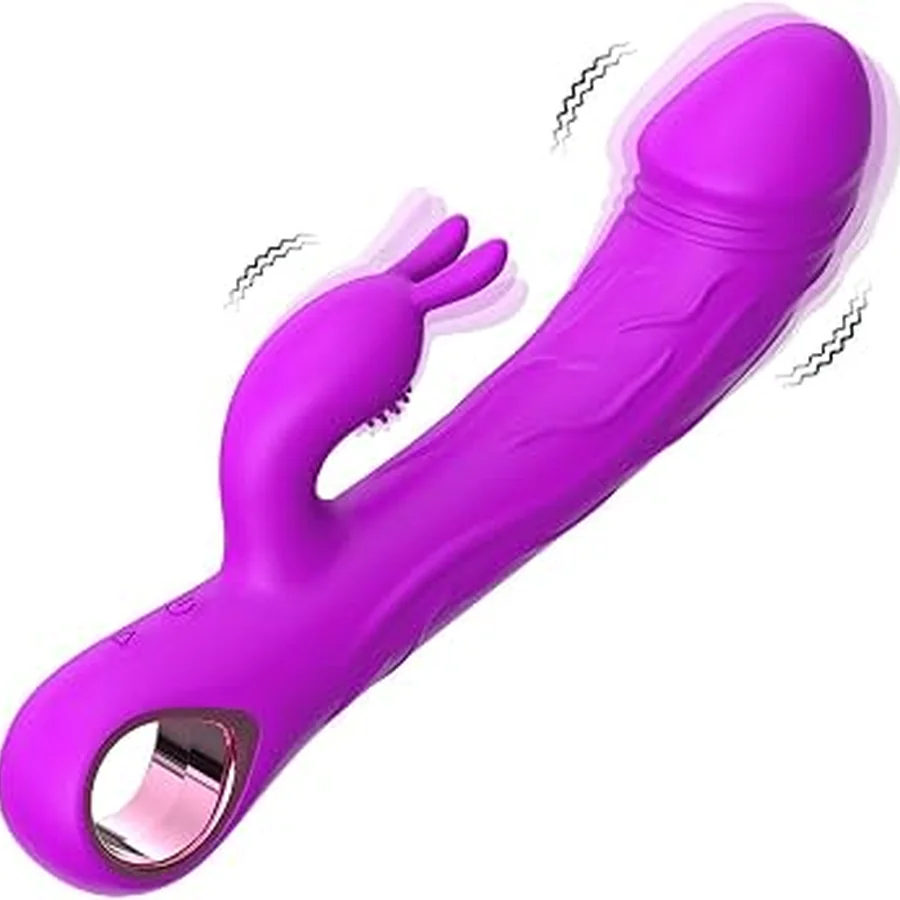
Several standards in the table above prove something narrower than often assumed. Getting this wrong is the most common way a checklist gives false confidence.
IEC 60529 evaluates the specified enclosure under its prescribed ingress-protection test conditions. It doesn’t establish durability through the repeated movement a thrusting mechanism’s moving joint experiences, and it doesn’t replace mechanical cycling or post-aging retesting; ask for that evidence at the joint specifically.
ISO 10993-1:2025 is a biological-evaluation framework for medical devices within a risk-management process. FDA lists the 2025 edition as partially recognized: the recognition record excludes the phrase “consumer products” from clause 6.5.11.3 because that phrase conflicts with an existing FDA guidance document, not because FDA issued a general ruling against extending the standard to consumer goods. A report citing ISO 10993-1 methodology for a consumer product is evidence of the tests performed, not FDA approval or a safety certificate. Ask what was actually tested, the finished color and formulation, contact type, duration, and endpoints, rather than accepting the citation alone.
UN 38.3 sets the test requirements for lithium cells and batteries; it’s referenced by the applicable modal dangerous-goods rules for air, sea, and road shipment, not a standalone certification, and it’s typically a self-declaration rather than a third-party approval. A report citing an earlier Manual revision isn’t automatically invalid; match the cell or battery model, physical description, Wh rating, report ID, and Manual revision against what’s shipping.
ISO 9001 certifies a quality-management system exists at a given site. It doesn’t prove a specific finished unit traces back to its BOM and test records; verify the certificate’s scope and site address, and ask for a real traceability example.
AQL sampling is an acceptance quality limit indexing lot-by-lot sampling plans for characteristics suited to that method, not a defect rate you agree to tolerate. Safety-critical characteristics need a documented risk-based control plan instead, combining process controls, mistake-proofing, 100% inspection, or a justified zero-acceptance-number plan; no single method alone guarantees zero defects, and the plan’s edition should match what the factory actually uses.
Sample Scorecard
Use this to record findings against a real sample or documentation package, not a spec sheet alone. Add columns for supplier name, model, spec revision, evaluator, and date when you build this out for real.
| Check | Evidence status | Pass / Fail / Conditional | Notes |
|---|---|---|---|
| 1. Drive life | — | — | — |
| 2. Thrust force | — | — | — |
| 3. Stroke length | — | — | — |
| 4. Noise level | — | — | — |
| 5. Heat | — | — | — |
| 6. Water resistance | — | — | — |
| 7. Battery | — | — | — |
| 8. Materials | — | — | — |
| 9. Assembly QC sampling | — | — | — |
| 10. Aging | — | — | — |
| 11. Documentation | — | — | — |
| 12. Change control | — | — | — |
Use “verified independently,” “supplier document only,” “expired,” “mismatched,” or “not supplied” for evidence status, since missing evidence and a demonstrated failure are different conditions. This is a lightweight version of a fuller process; the sample approval checklist covers the broader golden-sample and mass-production sign-off workflow this feeds into.
From Checklist to Sourcing Decision
Weight the critical checks (heat, water resistance, battery, materials, change control) above the major and minor ones; a supplier who passes every minor check but fails one critical check is not a stronger candidate. A supplier who tests well on a golden sample but runs no change-control process can still drift by unit 5,000.
This checklist stops short of a full destination-market compliance mapping (which varies across the EU, UK, US, Canada, and other markets) or a complete factory audit; treat it as a first gate. For a broader view of supplier selection, see our guide to choosing the right vibrator manufacturer in China.
Send This for a Feasibility and RFQ Review
Provide target market and destination country, the thrust force and stroke length you need, quantity plus a second quantity to compare, customization depth, and the compliance documents your market requires. Submit a feasibility and RFQ review and WINYI’s team can review the project and identify which records are available and which are gaps, along with a feasibility response and estimated lead time; sharing is subject to confidentiality and release restrictions. If sharing drawings, confirm NDA terms first.
FAQs
What makes a thrusting vibrator supplier check different from a general vibrator supplier check?
A thrusting vibrator has a mechanical drive system, commonly cam-and-rail or crank-slider, that a standard vibrating motor doesn’t. That mechanism introduces failure modes a general checklist misses: rail wear, cam slippage, and seal fatigue at the moving joint.
Does an ISO 10993-1 reference prove a sex toy’s materials are safe?
Not by itself. ISO 10993-1 is a biological-evaluation framework built for medical devices, and FDA recognizes the 2025 edition only in part, over a conflict between one clause’s “consumer products” phrase and existing guidance, not a general ruling on consumer goods. A report referencing it shows a testing methodology was used, not FDA approval; ask what was actually tested before treating it as a safety certificate.
Is a good sample unit enough to qualify a supplier?
No. A sample can pass thrust and water-resistance testing while still failing drive-life or aging tests that only show up over time or repeated cycles. Documentation and change control determine whether your supplier can reproduce what passed across your full run.
Does UN 38.3 only apply to air-freighted products?
No. UN 38.3 test requirements are referenced by the applicable modal transport rules for air, sea, and road shipment, not air freight alone. Confirm the test summary matches the actual configuration shipping.