

Adult toy advertising rules are not one rule. They are four policies that disagree with each other: one platform restricts the category, two prohibit it outright on paid surfaces, and one separates sponsored ads from Stores. Every rule below is quoted from the platform’s own policy page, with the date shown when we checked it on 23 November 2026.
Quick Answer by Platform
Google restricts sex toy ads and closes most placements except search. Meta prohibits pleasure-focused products and permits health-focused sexual wellness products to audiences aged 18 and over. TikTok says sexual products are not allowed. Amazon says a sponsored ad cannot be used for adult products, while its Stores policy allows adult product Stores under conditions.
Restriction Is Not Prohibition
Separate two things before you plan a budget. A prohibition means you cannot run any version of the ad. A restriction means you can run it inside limits on placement, targeting, claims and market. Confuse the two and you waste money in opposite directions: you abandon a channel that is open, or keep rebuilding creative for one that is closed.
Google Ads: Restricted, With Search Left Open
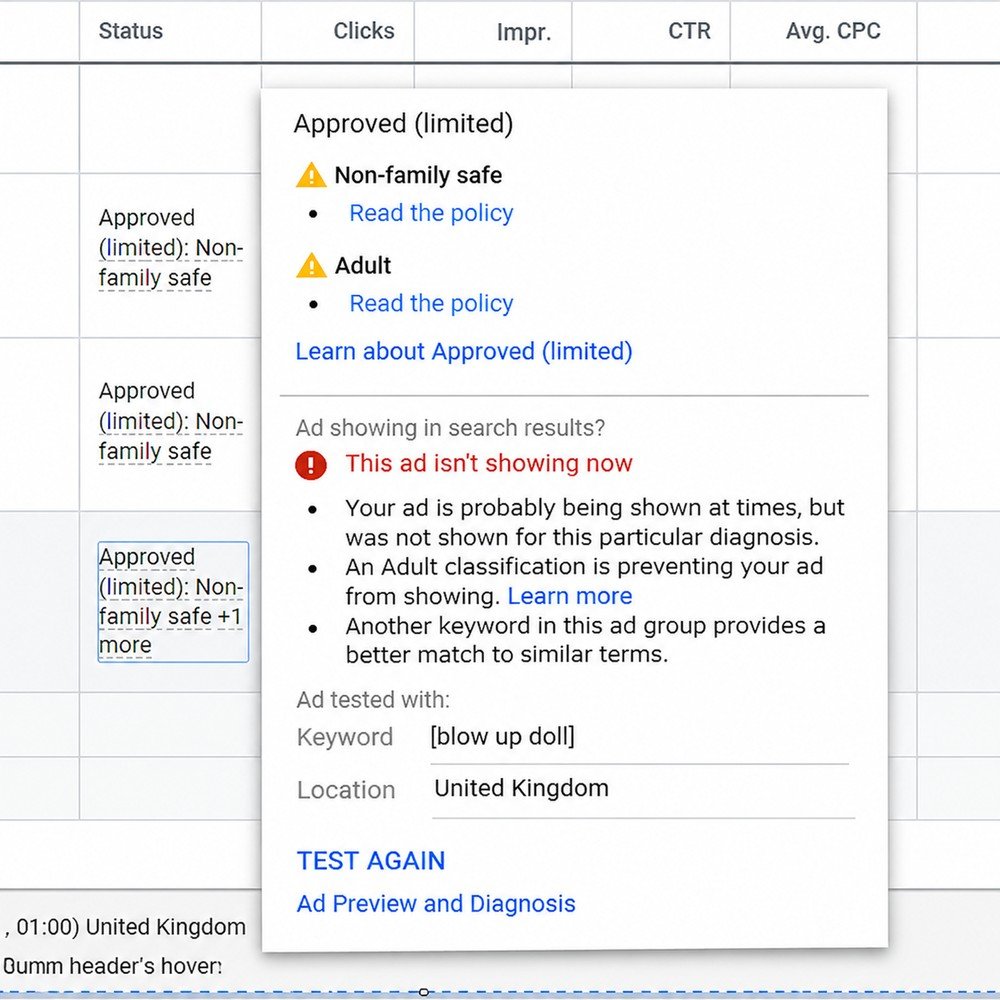
Google’s sexual content policy opens with a restriction, not a ban: “Google Ads restricts certain kinds of sexual content in ads and destinations.” It adds that these ads show in limited scenarios based on user preferences, search queries, age and local law, and that ads must not target minors.
The policy splits content into strongly and moderately restricted tiers. Sexual merchandise sits in the moderate tier, with the restricted example “Sex toys, such as intimate massagers and insertive devices”. Pelvic floor muscle trainers appear in the allowed examples. Moderately restricted ads serve based on the user’s age, local laws where the ad is served and SafeSearch settings.
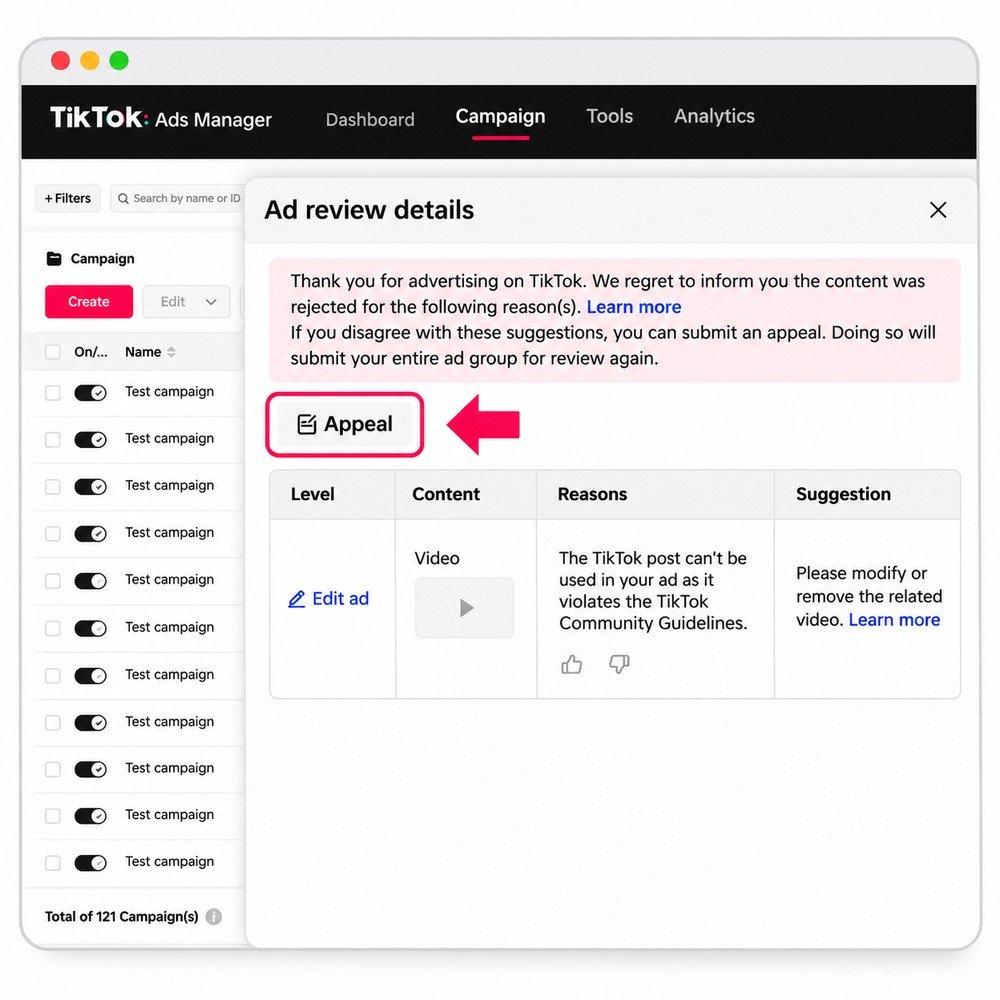
Placement is the limit most advertisers miss. Google says sexual content ads cannot run on AdMob, Google Ad Manager, YouTube, the Display Network or the Google Ad Manager Network. The listed unsupported formats include app ads and app assets, Dynamic Display Ads, Gmail ads, image ads, reservation display ads and TrueView video ads. Search is the placement left for the moderate tier.
Local law narrows it further. The policy names 20 locations where all sexual content will not serve and 14 more where strongly restricted content will not serve; check the regional list in the policy before you target. Enforcement is also less abrupt than on some platforms: “Google will issue a warning at least 7 days before suspending your account.”
Meta: Pleasure Products Out, Health Framing In
Meta’s Health and Wellness policy shows a 22 July 2026 change-log entry. Its Adult Products and Reproductive Health section says ads cannot “Promote sexual arousal products that focus on sexual pleasure or enhancement, such as: Sex toys”.
The permitted route is narrow. For audiences aged 18 and over, advertisers may promote sexual and reproductive health and wellness products “as long as the focus is on health and the medical efficacy of the product or the service and not on the sexual pleasure or enhancement”. The named examples include contraceptive products including condoms, lube and pheromones, and women’s reproductive health apps.
Some adjacent categories sit outside the age-targeting requirement. Lingerie, swimwear and undergarments are exempt as long as they do not violate the Adult Nudity and Sexual Activity policy. Do not stretch that exemption into a route for toys: rewording a pleasure product will not move it into the health list.
Meta describes itself as a global company accounting for people from different cultures and countries, so the platform-level test does not change just because you target one country. Its Advertising Standards say review may include “an ad’s associated landing page or other destinations”, is typically completed within 24 hours, relies primarily on automated tools, and that these policies are “subject to change at any time without notice”.
TikTok: A Category Prohibition With No Listed Approval Route
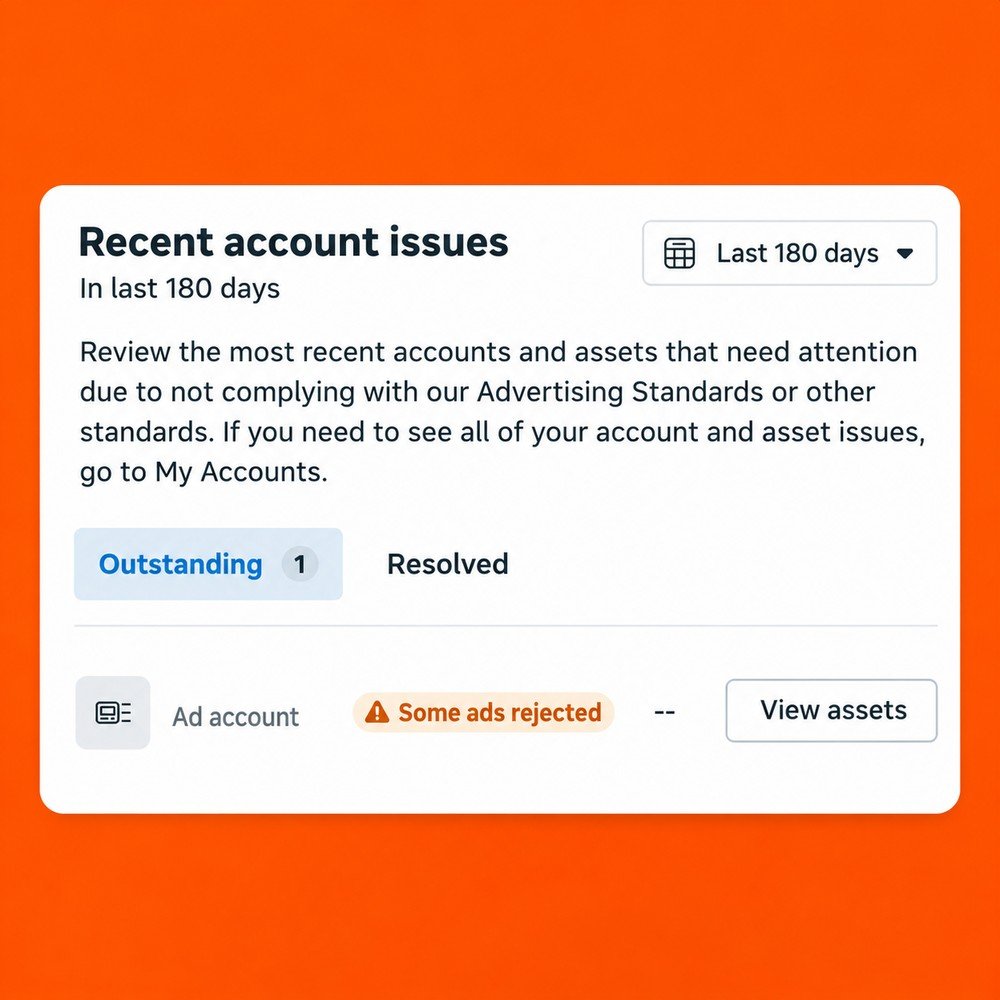
TikTok’s Adult content policy was last updated in August 2026. Its wording is short: “Sexual products are not allowed.” The examples name “Pornographic material, sex toys, and supplies such as fetish or sexual fantasy costumes”.
The policy also covers claims around performance: it prohibits the promotion, sale, solicitation or facilitation of access to “the enhancement of sexual performance, pleasure, or bodily appearance”. Sexually explicit content and sexually suggestive content are listed as separate prohibited categories.
The article describes sales-representative permission for dating apps and live chat apps, but it gives no certification or prior-approval route for sexual products. Plan organic content and creator activity instead of a paid campaign that cannot be approved.
Amazon: Two Rulebooks, Two Answers
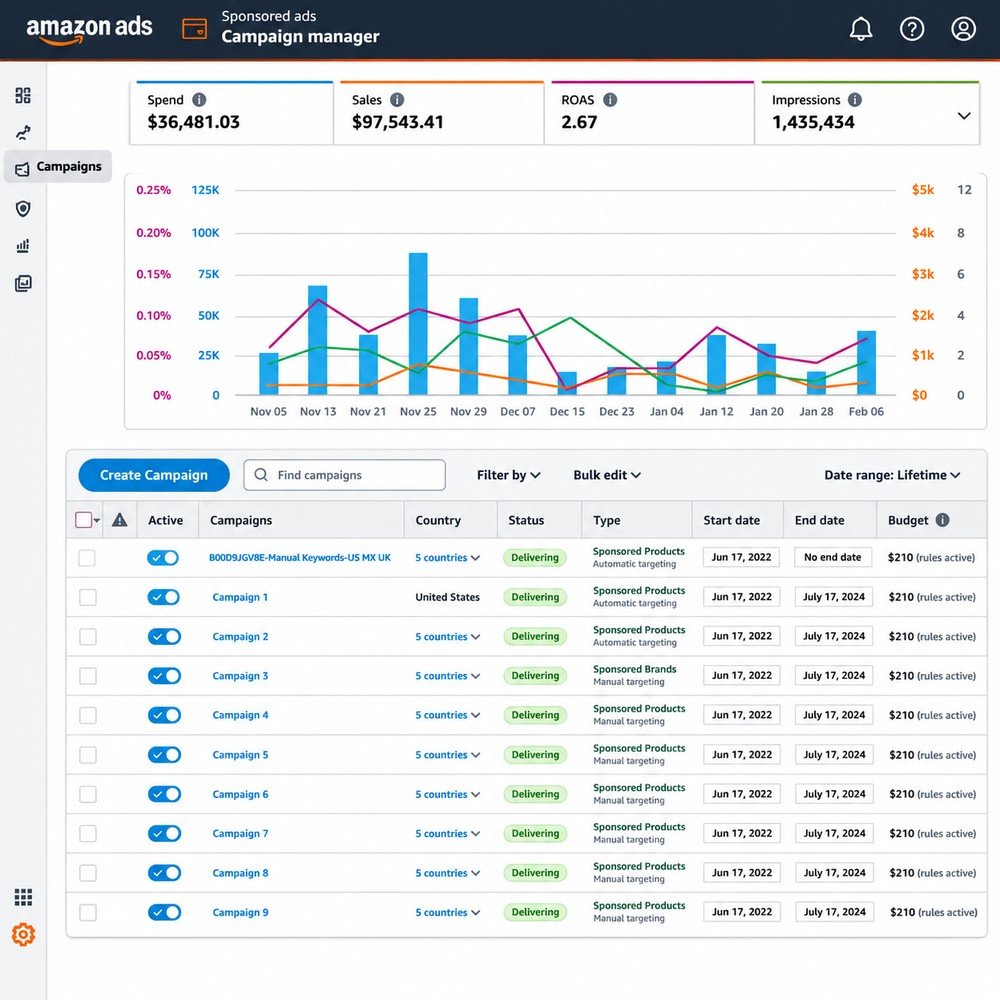
Amazon is one company with two surfaces and different answers. On advertising, Amazon’s own page says: “A sponsored ad cannot be used for adult products, used or refurbished products, or products in closed categories.” It also says ads are shown to shoppers based on keywords or products. Do not budget for sponsored placement on this category.
On Stores, the content acceptance policy permits adult product Stores under conditions. An adult Store must contain only adult products, every page needs an adults-only message in the hero image, sexual wellness products must sit in a separate labelled sub-page, and adult product Stores are prohibited in Japan. Section 6.11 also bars claims “related to increased sexual performance or libido boosting”.
Platform-by-Platform Comparison
This table compares the stance each platform publishes. Follow the linked policy rather than a summary when a rejection has to be appealed.
Policy stance, open surface and age control, based on the fetched pages above.
| Platform | Stance | Open surface | Age control | Policy page |
|---|---|---|---|---|
| Google Ads | Restricted: sex toys are moderately restricted | Search, subject to local law and SafeSearch | Serves by user age; ads must not target minors | Sexual content policy |
| Meta | Pleasure products prohibited; health products permitted | Health-framed sexual wellness at 18+ | Advertiser must target people 18 or older | Health and Wellness |
| TikTok | Prohibited: sexual products are not allowed | No paid route described | Not applicable to the prohibited category | Adult content |
| Amazon | Prohibited in sponsored ads; conditional in Stores | Stores under policy conditions | Adults-only message in every Store page hero image | Advertising eligibility and Stores policy |
Scope note: Amazon’s Stores policy and Amazon’s advertising eligibility are separate documents. Passing one says nothing about the other.
The Wording and Imagery That Get Rejected
Most rejections are copy and image rejections rather than category rejections. Four copy triggers do most of the avoidable damage: explicit anatomical terms, therapeutic claims, exaggerated promises, and anything that could read as involving minors.
For imagery, Amazon’s adult product guidelines prohibit nudity, including intimate body parts obscured with hands, bars or graphics, and prohibit “Representations of human genitalia, including packaging”. They also prohibit the product in use, including through lifestyle images, mannequins or cartoons. Verbal descriptions and abstract illustrations are permitted if the language is not offensive.
Commercial claims get their own test. The Amazon Stores policy says advertising claims must be truthful and accurate, accolades should be “less than 18 months old”, and comparative claims need an independent source dated within the previous 18 months. It does not permit direct comparison to competitor brands.
Rewrite the risk, not the product. Each row keeps the description accurate.
| Trigger | Example to avoid | Compliant rewrite |
|---|---|---|
| Explicit anatomy | Slang or graphic anatomical terms in a headline | Name the product type and the material |
| Therapeutic claim | Treats, cures or relieves a named condition | State the function without a health outcome |
| Pleasure framing | Copy built on sensation or performance | Describe form factor, control and finish |
| Product in use | Lifestyle, demo or animated usage imagery | Product alone, plain background, no model |
| Suggestive imagery | Undressing, posing, implied activity | Studio product shot, clothed models only |
| Unsupported superlative | Best, strongest, number one | Cite a dated independent source, or cut it |
| Commercial promise | Ships in three days, cheapest anywhere | Give a range, conditional on specification |
Landing-Page Compliance Is Part of the Ad
Your ad is not reviewed alone. Google’s sexual content policy applies to “ads and destinations”. Meta’s Advertising Standards say review may include ad components and an associated landing page. Amazon’s Ads policy says the landing page must prominently present the offer advertised.
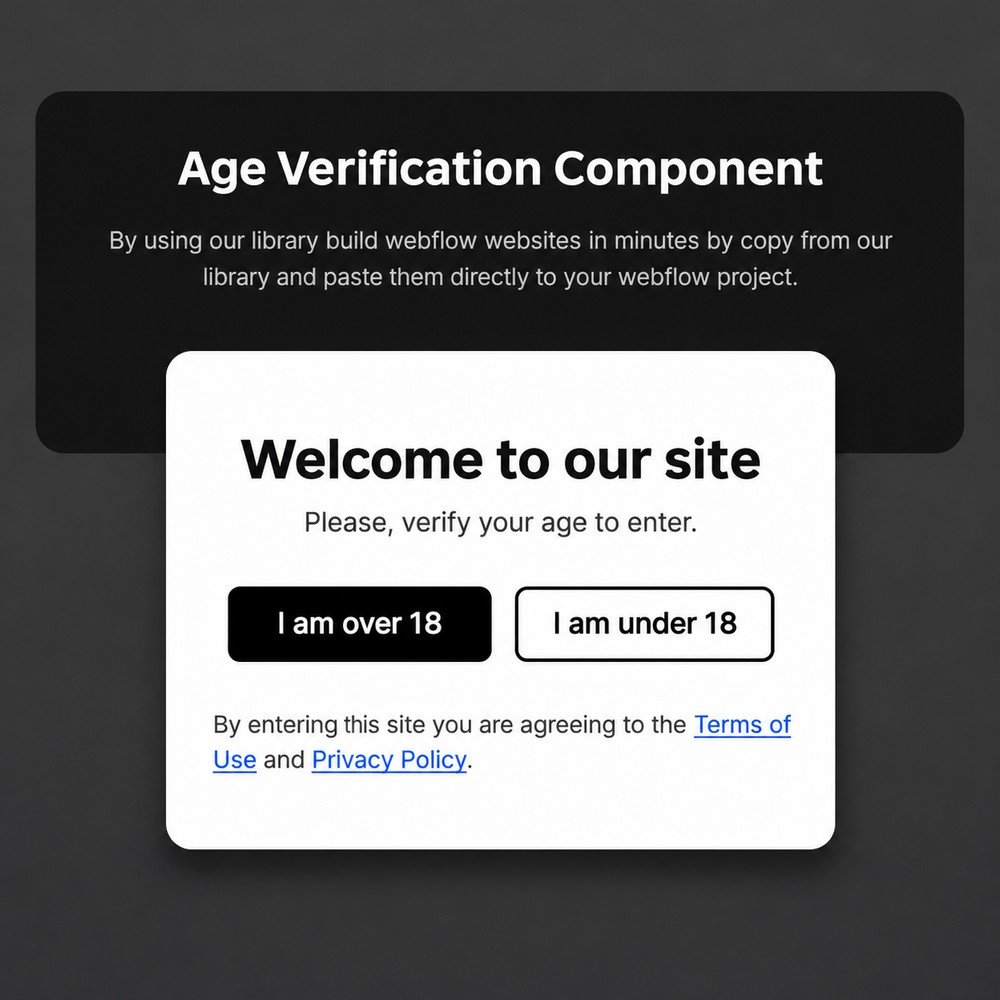
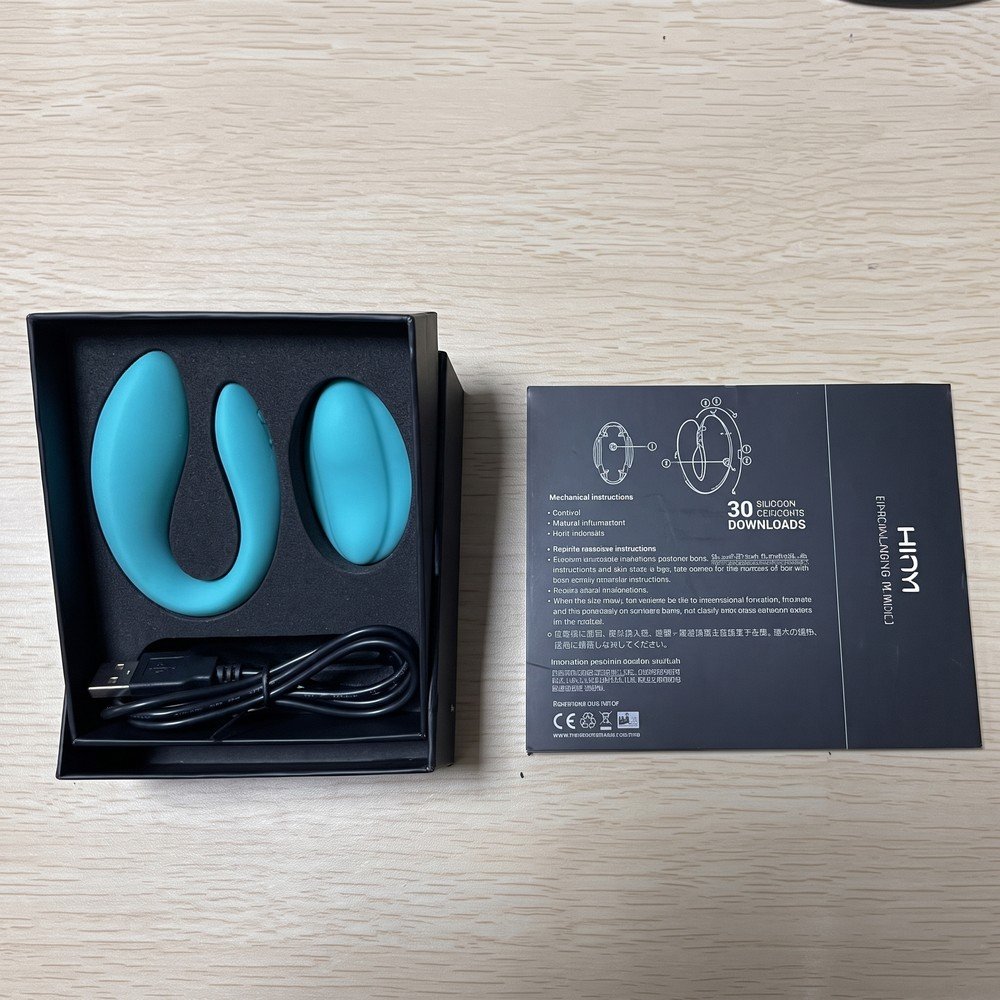
Three things you control have to agree: the ad, the destination and the product data behind it. Put the age confirmation before any product content renders. Show a real business identity, a contact route and your policy pages. Keep the consent notice, retention limits and deletion route visible and working.
A factory can help with one part. WINIY’s certification page says a report normally applies to the tested model, material, component or product family in its scope, and that changes to materials, batteries, electronics or packaging can affect an existing report. If your landing page makes a material claim, the document behind it has to match the SKU on the page.
Age-Gating and Audience Targeting
Age-gating is two controls that have to agree: the gate on your site and the audience floor in the ad platform. On your own site, decide between a self-declared gate and a verified check, then keep the confirmation record. A gate a visitor clears once and meets again on every page tells a reviewer only that you built it badly.
In the platform, set the floor where the policy requires it. Meta requires health-focused sexual wellness ads to target people 18 or older; Google says moderately restricted content serves by user age and ads must not target minors. If the platform targets an audience your site then blocks, the inconsistency is what review finds.
How to Raise Approval Rates Without Misrepresenting the Product
You cannot argue a prohibited category into approval. You can remove every avoidable failure around it. Pre-check creative against the two lists above before submission, and submit small variants rather than one batch you cannot diagnose.
Keep the ad, landing page and feed consistent because you are judged on all three. Meta says review is typically completed within 24 hours, so an iterative cycle is realistic. Log every rejection with the platform, date, asset and stated reason. Patterns appear within a month, and the log becomes your pre-flight checklist.
Two structural notes belong in that plan. Meta says its policies are subject to change without notice, and its review system uses automated tools primarily, with manual review in some instances. Treat approval as a moving target, not a one-time certificate.
When Review Fails: The Alternative Playbook
Four channels remain when paid review keeps failing, and three of them compound. Search-led acquisition answers the query you were trying to buy. Creator and affiliate partnerships move the content under the host platform’s rules. Email, SMS and community are the audience you keep. Marketplace presence works as a stopgap, not a place to build.
Under all four sits the same requirement: product you can describe accurately and documents you can produce on request. WINIY’s product range shows the categories in production, and the wholesale buyer guide explains how samples and repeat orders run.
Advertising Rules Slowing Your Launch?
Tell us your target market and your channel. We will confirm which products and documentation suit it, and what is feasible at your volume.
WINYI manufactures adult wellness products in Shenzhen and has done so since 2014. Wholesale, private label, OEM and ODM run from one factory, with NDA and tooling ownership agreed in writing before production.
Two cautions we apply to our own paperwork, because advertising review eventually tests yours: a test report is not product approval, and a management-system certificate is not a product claim. Any change to material, colour, battery, electronics or packaging can invalidate a report you already hold.
Send us your target market, channel and product specification. We will confirm the feasible route and the documents that can support your claims.
Send Your Specification or Catalog Request – See Our OEM and ODM Capabilities
Shenzhen factory since 2014 – wholesale, private label, OEM and ODM – NDA and tooling terms agreed in writing
FAQ
Can you advertise sex toys at all?
On some platforms, under conditions. Google restricts sex toys to the placements that remain open, subject to age, local law and SafeSearch. Meta permits only health-focused sexual wellness products to audiences aged 18 and over. TikTok says sexual products are not allowed. Amazon bars sponsored ads for adult products while allowing conditional Stores.
Does TikTok allow sex toy ads?
No. Its Adult content policy states that sexual products are not allowed and names sex toys among the examples. It also prohibits promotion of enhancement of sexual performance or pleasure. No certification or prior-approval route for sexual products appears in that policy.
What is Amazon’s adult products policy?
It depends on the surface. Amazon says a sponsored ad cannot be used for adult products, and that ads are shown based on keywords or products. Its Stores content acceptance policy permits adult product Stores under conditions, including an adults-only message in every page hero image and a separate labelled sub-page for sexual wellness.
Why was my ad disapproved with no clear reason?
Automated review usually acts on a specific trigger. The usual causes are explicit wording, suggestive or in-use imagery, unsupported claims, and a landing page that does not match the ad. Meta says its review may include the destination as well as the creative.
Does an age-gate guarantee approval?
No. It removes one risk factor among several. Copy, imagery, claims and the destination still have to comply, and your platform targeting has to match your on-site gate. Treat the gate as a requirement you meet, not an approval you earn.
What can you do after repeated rejections?
Move budget to channels that are open: build the search pages you needed the ads for, work with creators and affiliates whose posts sit under host-platform rules, keep email and SMS as the audience you own, and treat marketplace listings as a stopgap.
Do the rules differ by country?
Often, yes. Google’s sexual content policy names 20 locations where all sexual content will not serve and 14 more where strongly restricted content will not serve. Amazon prohibits adult product Stores in Japan. Meta describes its rules as global while noting different cultures and countries; check the regional version before you target.