

Sex toy OEM manufacturing gives you a practical route from a brand idea to a sellable product, but only when you define the cooperation model, development brief, quality gates, compliance responsibilities, and commercial terms before production begins. OEM and ODM can both support a private-label launch. The right choice depends on how distinctive your product must be, how quickly you need to enter the market, and how much development risk your business can absorb.
Choose ODM when you want to validate demand using an existing factory-developed design with controlled customization. Choose OEM when you already have a clear specification, want stronger product differentiation, and are prepared for design review, tooling, testing, and a longer approval cycle. Neither model is automatically cheaper or safer; each assigns different work, cost, and responsibility to your brand.
| Decision factor | OEM | ODM |
|---|---|---|
| Customization | Built to your approved design and specification | Cosmetic to moderate changes within an existing platform |
| Tooling | Usually new or modified tooling under a written agreement | Usually factory tooling unless otherwise negotiated |
| Exclusivity | Stronger potential, but scope must still be contractual | Limited unless specifically negotiated |
| Launch speed | More development and validation gates | Fewer gates when changes remain within the platform |
OEM or ODM: Which Route Fits Your Brand?
OEM means the factory builds against a design or specification that you supply and approve. ODM means the factory offers a product platform it has already developed and adapts it for your brand. Suppliers sometimes use these labels differently, so your agreement should describe the actual work rather than rely on the acronym.
Choose ODM to Validate Demand Faster
ODM is often the practical starting point when your sales forecast is still uncertain. You can select an existing platform, approve a color, add a logo, develop retail packaging, and launch without paying for a completely new product architecture. The tradeoff is that the underlying design may also be available to other buyers unless exclusivity is written into the agreement.
Choose OEM for Differentiation and Design Control
OEM is a stronger fit when you have a validated concept, a clear target price, and enough forecast confidence to support engineering and tooling. It gives you more control over dimensions, functions, component layout, texture, charging design, packaging, and performance targets. It also requires more precise approvals and more time before mass production.
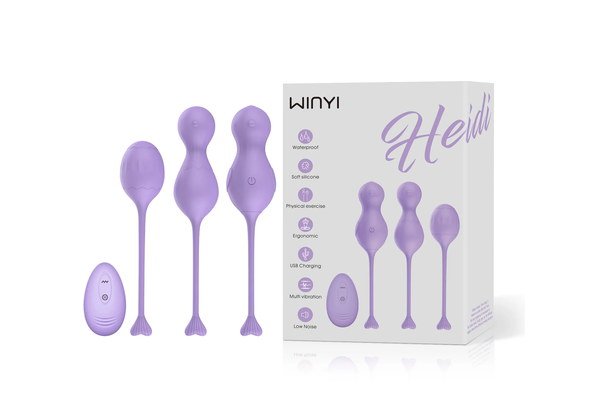
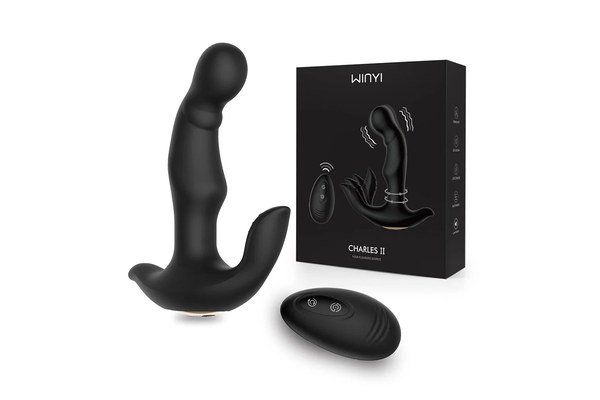
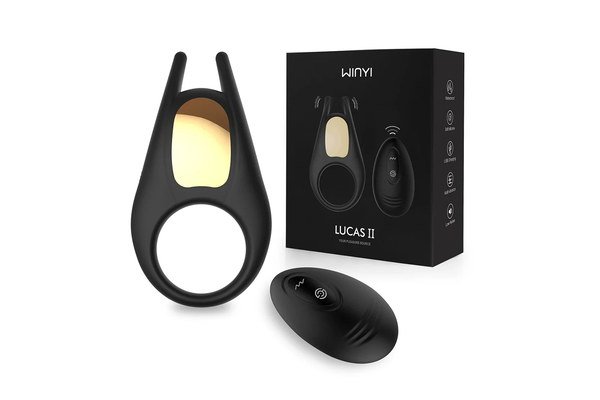
Build a Quote-Ready Product Brief
A factory cannot give you a reliable quotation from a mood board alone. A quote-ready brief should define the target user, product type, dimensions, functions, power source, charging method, noise target, waterproof requirement, material, color, packaging, target unit cost, destination market, forecast volume, and launch date.
For a new design, also define wall thickness, motor position, battery capacity, charging interface, sealing concept, button construction, electronics layout, assembly tolerances, and any claims that appear on the packaging. Early manufacturability review is one of the highest-value steps in sex toy OEM manufacturing because a design problem is far cheaper to correct before tooling is cut.
- Commercial inputs: target price, forecast quantity, destination, Incoterm, launch date, and packaging level.
- Product inputs: size, material, functions, motor behavior, battery, charging, waterproof target, and noise target.
- Brand inputs: logo files, Pantone references, artwork, instructions, barcode, and required languages.
- Evidence inputs: target-market testing, declarations, traceability, inspection plan, and sample approval rules.
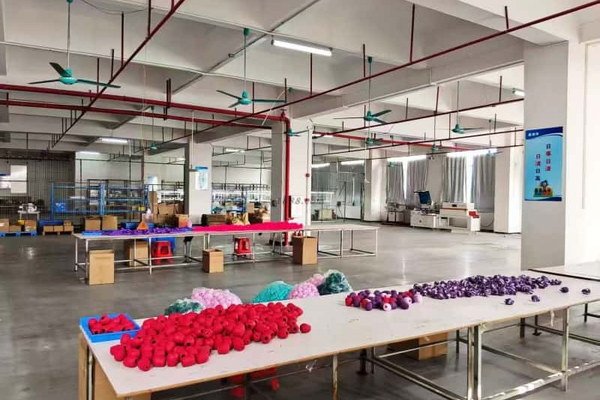
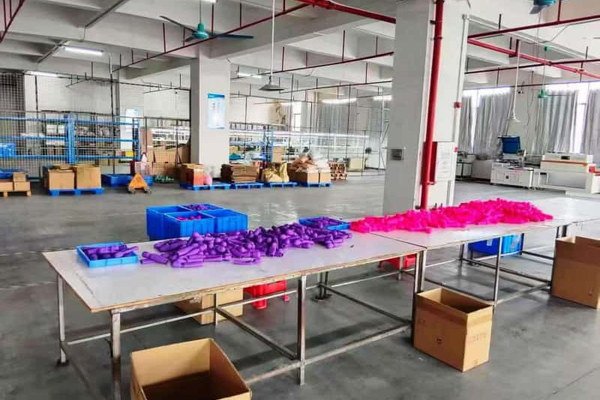
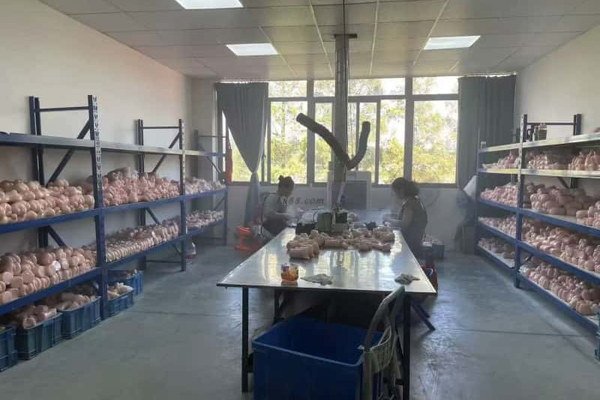
Your Sex Toy OEM Manufacturing Process
1. Feasibility and Quotation
The factory reviews your brief, identifies technical risks, recommends OEM or ODM, and separates one-time development cost from recurring unit cost. Ask for MOQ by customization band: stock product, logo, custom color, custom packaging, functional change, and new tooling. A single MOQ number hides the real commercial options.
2. Design, Materials, and Tooling Approval
Approve the structure, materials, surface specification, color reference, electronics, packaging direction, and tooling agreement before development moves forward. If new tooling is required, define ownership, maintenance, storage, transfer, and exclusive-use rights separately.
3. Samples and Engineering Validation
Not every project requires every sample stage, but you should understand the sequence: appearance sample, engineering prototype, functional sample, pre-production sample, signed golden sample, and pilot run. Record the version, color, packaging artwork, test results, and approved deviations at each gate.
4. Pilot Run, Mass Production, and Shipment
A pilot run checks whether the approved design can be repeated under real production conditions. Mass production should then follow locked materials, components, methods, and work instructions. Final inspection, packaging verification, shipping documents, and post-sale responsibilities should be agreed before the balance payment and shipment release.
| Stage | Typical owner | Common delay |
|---|---|---|
| Design review | Brand approves, factory advises | Late changes to the brief |
| Sampling | Factory builds, brand approves | Material or color mismatch |
| Testing | Factory QC and independent lab as required | Retesting after a design change |
| Packaging approval | Brand approves, factory produces | Artwork and language revisions |
| Pilot and mass production | Factory and QC | Component lead time or shortage |
| Shipment | Brand/importer and forwarder | Booking availability and customs documents |
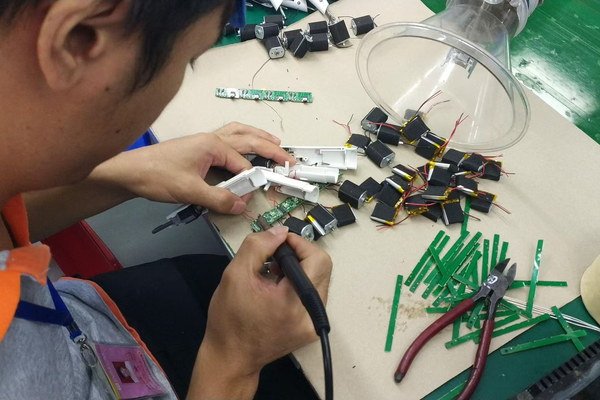
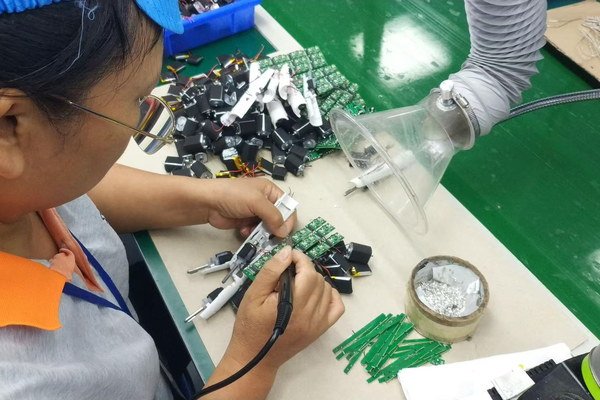

Materials, Samples, and Quality Control
鈥淏ody-safe鈥?is not a complete specification. Ask for the exact material grade, supplier, colorant, test method, and evidence that matches the material and SKU you are ordering. A generic report for 鈥渟ilicone鈥?does not prove that your finished product uses the same formulation or processing conditions. Review our guide to choosing silicone material for adult products when preparing your material requirements.
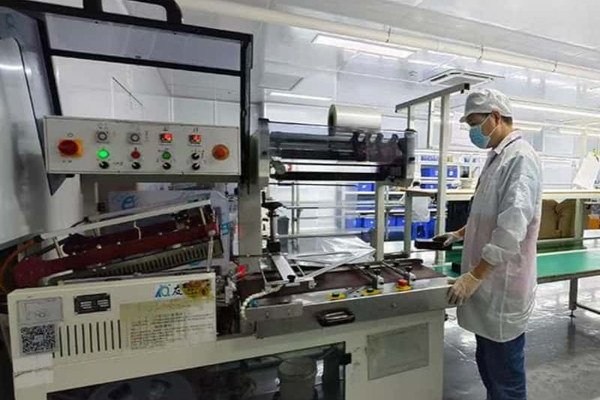
Quality assurance and quality control are different. QA is the documented system that prevents uncontrolled changes and repeat defects. QC is the inspection and testing that detects problems. Ask which checkpoints apply to incoming materials, first-article approval, in-process work, function, charging, battery behavior, waterproof performance where claimed, appearance, packaging, and final shipment sampling.
Require written approval before the factory changes any approved material, component, supplier, software, assembly method, or packaging specification. The signed golden sample should be connected to a controlled bill of materials and test plan, not treated as a stand-alone visual reference.
How to Vet an OEM or ODM Manufacturer
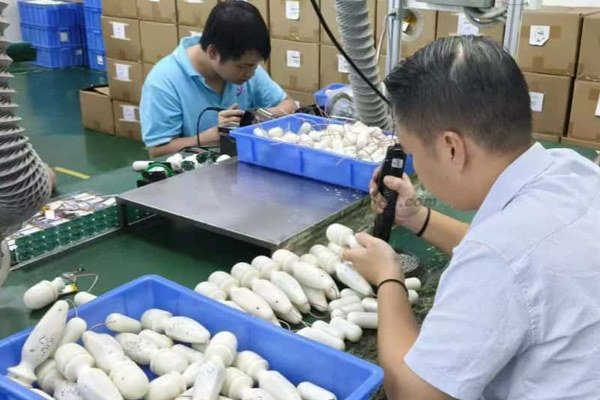
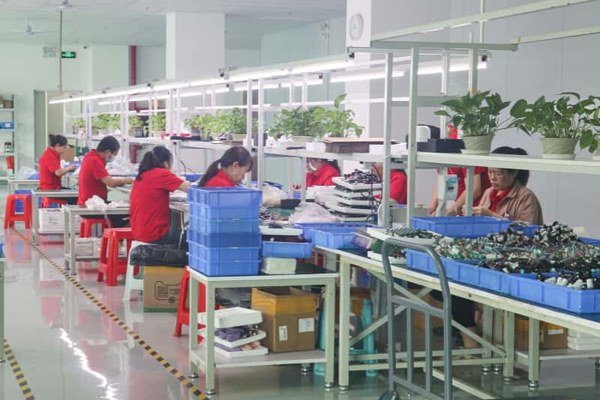
A supplier does not need to perform every process in-house to be reliable. Specialist subcontractors can be appropriate, provided the factory discloses the arrangement and maintains traceability. Ask which steps are internal, which are outsourced, who approves the subcontractor, and how incoming quality is controlled.
Request a business license, verifiable factory address, export history, relevant certificates, calibration or audit records, and references you can check independently. If a supplier says every unit is tested, ask for the test scope, acceptance limit, equipment, record format, and remedy when a unit fails. Our WINYI Lab page shows the type of equipment buyers can ask to see during supplier evaluation.
- Confirm product feasibility before comparing unit prices.
- Evaluate change control, traceability, test evidence, and communication.
- Check whether stated production capacity matches your launch and reorder plan.
- Ask for defect remedies, rework rules, and replacement or credit terms in writing.
Compliance Depends on the Product and Market
Your project may require a test report, declaration of conformity, technical file, registration, responsible-person arrangement, or certificate. These documents are not interchangeable. The exact requirement depends on the product, electronics, wireless functions, battery, claims, and destination market.
For the EU, consider the General Product Safety Regulation, product risk assessment, technical documentation, and traceability. RoHS, EMC, and the Radio Equipment Directive each have different scopes. A rechargeable battery introduces separate transport, waste, and producer-responsibility questions but does not automatically make a product radio equipment.
For the US, duties can fall on the manufacturer, importer, or seller depending on the rule. A General Certificate of Conformity applies only when a general-use product is covered by a specific CPSC rule, ban, standard, or regulation. Rechargeable projects should confirm battery specifications, protection design, and UN 38.3 transport documentation separately from finished-product evidence.
Marketing claims also matter. Language suggesting treatment of pain, dysfunction, or a medical condition can change the product鈥檚 regulatory position. Use our sex toy certification overview as a question list, then confirm the exact document set with a qualified compliance professional for your product and market.
Contracts, Tooling, IP, and Exclusivity
Put tooling ownership, possession, maintenance, storage, transfer, and exclusive-use rights into the agreement. Paying a tooling invoice does not automatically settle all of those points. If you use an ODM platform, assume the standard design may remain available to other brands unless your exclusivity scope states otherwise.
Define whether exclusivity covers the entire product, one mold, a structural feature, a color combination, a territory, a customer group, or a sales channel. Also cover confidentiality, IP ownership, approval rights, change control, defect remedies, termination, and dispute resolution. A written contract defines rights, but it does not replace trademark and design-right checks in the markets where you will sell.
Who Handles What in an OEM Project?
| Task | Usually handled by | Confirm for your project |
|---|---|---|
| Tooling and production | Factory | Ownership, maintenance, storage, and transfer |
| Material sourcing and product reports | Factory and material suppliers | Whether evidence covers the exact SKU |
| Brand, pricing, and market strategy | Your company | Claims, positioning, and retailer requirements |
| Importer or responsible-person duties | Your company, importer, or appointed party | Which market requires the role |
| Accredited third-party testing | Independent laboratory | The standards and samples covered |
This is a commercial starting point, not a legal assignment of responsibility. Confirm the real split with a qualified compliance or legal professional for the actual product and destination market.
Packaging and Private-Label Presentation
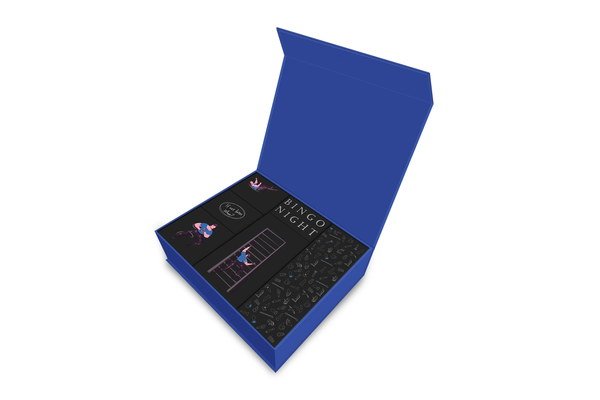
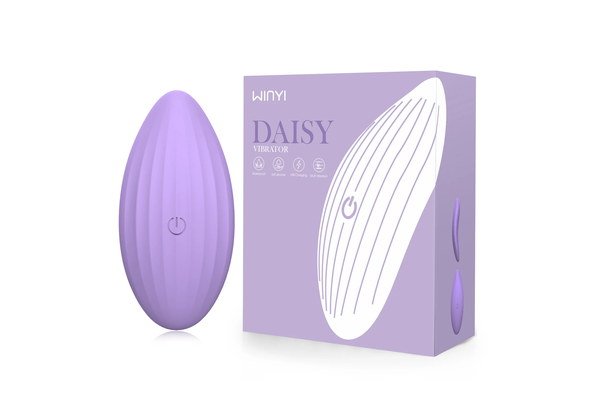
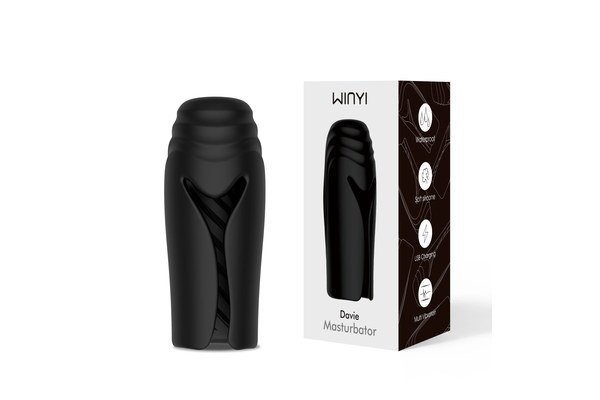
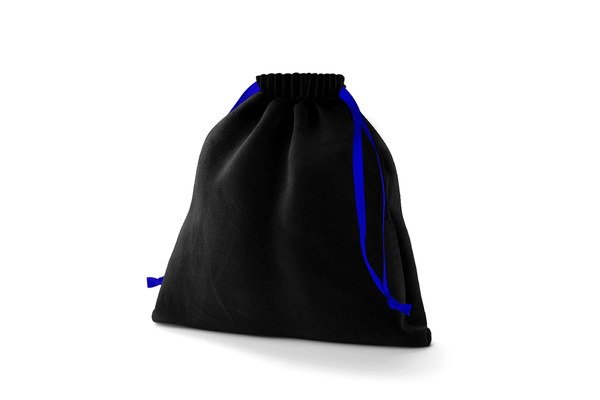
Your packaging brief should cover structural style, material, finish, insert, storage bag, charging accessories, user instructions, barcode, warnings, languages, and master-carton requirements. Ask for a dieline before artwork begins and approve a physical packaging sample whenever color, fit, surface finish, or protection is important.
For a multi-item set, confirm how every product is retained during transit and how accessories are identified. Packaging affects unit cost, MOQ, production lead time, shipping volume, retailer presentation, and return risk. Treat it as part of the product rather than a task left until the end.
What to Send for a Complete Quotation
Send your dimensions, functions, materials, target unit cost, forecast volume, destination, Incoterm, launch date, market-specific evidence requirements, packaging concept, and sample expectations in one brief. If you reference another product, identify which elements are only inspiration and confirm that you have the right to use any design, artwork, or trademark you ask the supplier to reproduce.
Request a landed-cost breakdown rather than a single unit price. Separate development, tooling, samples, testing, packaging, product cost, inspection, freight, duties, taxes, warehousing, and a reasonable defect or after-sales reserve. Comparing only the factory unit price hides where the largest commercial differences sit.
WINYI can review your product brief, recommend an OEM or ODM route, and provide a staged development plan, MOQ, and quotation. Review our OEM and ODM development services, explore our adult toy product range, or send your requirements for a feasibility review.
Request an OEM or ODM Feasibility Review
FAQs About Sex Toy OEM Manufacturing
How much does it cost to launch a private-label sex toy brand?
The cost depends on customization, tooling, sampling, testing, packaging, quantity, and destination market. Ask for a breakdown by customization band rather than rely on one general estimate.
What is the MOQ for custom adult products?
MOQ changes with the level of customization. A logo on an existing model may have a lower minimum than a custom color, printed box, functional change, or new mold.
How long does OEM development take?
Timing depends on design maturity, tooling, sample rounds, testing, component availability, packaging approval, and production season. Request a staged timeline with approval gates instead of one delivery number.
Can I own the mold for an OEM product?
Often yes when you fund it, but payment alone does not settle possession, maintenance, storage, transfer, or exclusive-use rights. Put each point into the tooling agreement.
Can an ODM product be exclusive to my brand?
Only when exclusivity is specifically negotiated. Define whether it covers the whole product, a mold, a feature, a territory, a color combination, or a sales channel.
What should be included in a golden sample?
The signed reference should identify the version, dimensions, color, material, function, charging behavior, appearance, accessories, packaging artwork, and accepted test results.
Who is responsible for product compliance?
Responsibility can be shared among the manufacturer, brand, importer, seller, responsible person, and test laboratory. The real split depends on the requirement and destination market.
Can I start with ODM and move to OEM later?
Yes. Many brands use ODM to validate categories and price points, then invest in OEM development after they have stronger sales data and clearer product requirements.
What quality checks should I request?
Ask about incoming materials, first-article approval, in-process inspection, function, charging, battery behavior, waterproof performance where claimed, appearance, packing, and final sampling.
What information helps a factory quote faster?
Provide product type, dimensions, functions, materials, quantity, target price, destination, launch date, customization level, packaging needs, and required testing in a single brief.
Product and compliance requirements vary by design, claim, electronics, battery, and destination market. This guide is general information and does not replace advice from a qualified legal or compliance professional.