

Silicone vibrator manufacturing is a controlled sequence that connects material preparation, industrial design, mold development, silicone molding and curing, electronics assembly, waterproof sealing, inspection, testing, and packaging. The exact route depends on the product structure and whether the factory molds a separate silicone shell or overmolds silicone around an internal assembly.
For brand owners and wholesale buyers, each stage creates different risks and different evidence. A supplier may show an attractive finished sample, but reliable mass production requires documented material lots, approved mold samples, controlled process settings, component verification, model-specific tests, and batch traceability. This guide explains the process stage by stage and shows what to request before approving production.
| Manufacturing stage | Main control | Buyer evidence |
|---|---|---|
| Material preparation | Grade, color, mix ratio, and degassing | Supplier declaration and incoming record |
| Tooling and molding | Geometry, wall thickness, temperature, pressure, and cure | Production-mold sample and batch parameters |
| Assembly and sealing | Motor, PCB, battery, charging, and seal interfaces | Assembly checklist and approved component list |
| QC and packaging | Function, appearance, waterproofing, and traceability | Inspection plan, test reports, and batch record |
Why the Silicone Vibrator Manufacturing Process Matters
When buyers compare suppliers, write specifications, or investigate a defect, the cause usually traces back to a defined process point. Material tack may begin with an incorrect formulation or cure. Weak vibration can come from motor selection, shell thickness, or assembly pressure. A leak can result from a seal design, charging-port change, or inconsistent assembly. Breaking the project into stages makes supplier claims easier to verify.
WINYI was established in 2014 and brought molding, assembly, and QC in-house at its Shenzhen facility in 2017. Current company scale and capabilities should always be checked against the latest WINYI company profile. Product development, mold making, molding, electronic assembly, testing, inspection, and packaging can be managed under one manufacturing system, while qualified partners supply selected raw materials, components, and third-party compliance tests.
Stage 1: Silicone Material and Color Preparation
This stage sets the performance ceiling for everything that follows. A correctly formulated and cured silicone grade can provide low porosity, stable texture, flexibility, and good cleaning resistance. However, the word “silicone” alone does not prove a product is medical grade, body safe, or suitable for every market. Those claims require a defined material grade, declaration, and appropriate finished-part evidence.
Operators measure the approved formulation, disperse pigment to match a color or Pantone reference, mix the components, and degas the compound to remove trapped air. Raw-material lot, pigment batch, mix ratio, time, and operator should be traceable. Buyers should ask whether a report covers only the raw silicone, the finished part, or both.
What Buyers Should Request
- The exact silicone formulation and raw-material supplier declaration;
- Color standard, pigment identification, and approved tolerance;
- Incoming inspection criteria and lot-traceability format;
- Clarification of whether testing covers raw material or the finished product.
Stage 2: Industrial Design and Mold Development
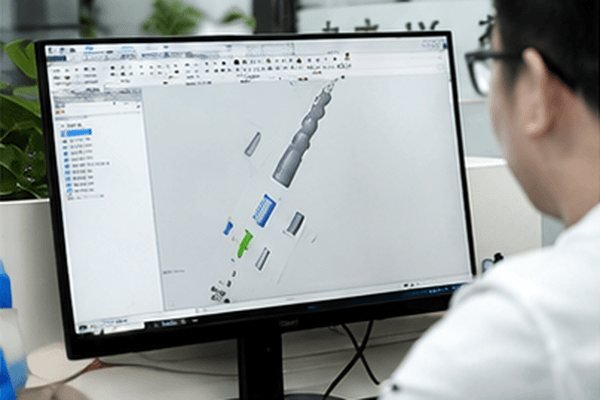
Tooling quality places a hard limit on finished quality because the mold defines shape, wall thickness, seam lines, texture, gate location, and dimensional repeatability. The engineering team develops a 3D model from a concept, sketch, reference product, or functional brief before cutting steel. Digital review helps identify thin walls, sharp transitions, motor interference, sealing risks, and areas that may trap air.
Liquid silicone rubber can support repeatable injection molding and detailed geometry. High-consistency rubber can also perform well when its formulation and process fit the design. Material format by itself does not determine quality. Buyers should approve a sample made from the real production mold—not only a handmade prototype—before authorizing mass production.
Stage 3: Silicone Molding and Curing
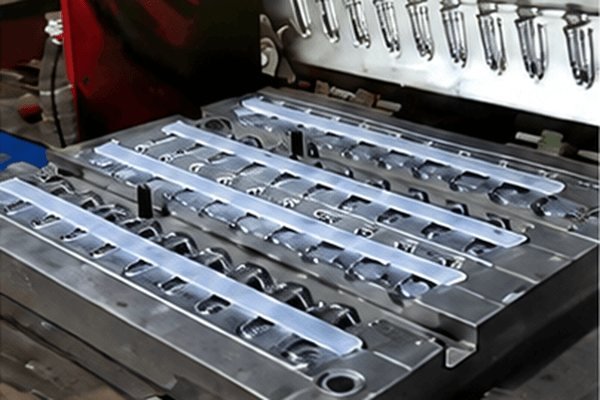
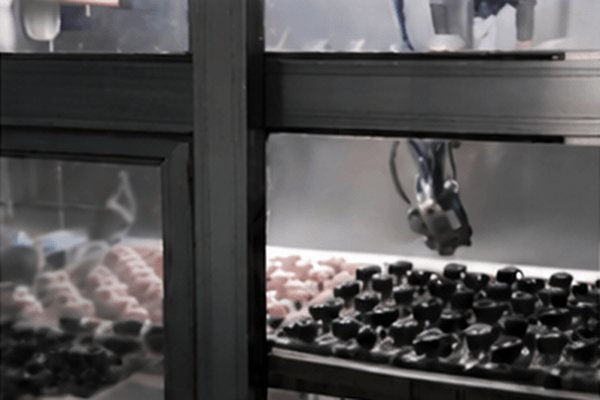
Temperature, pressure, time, and material ratio decide whether a molded batch meets the approved specification. Incorrect settings can create incomplete cure, dimensional variation, surface tack, reduced tear strength, trapped bubbles, or inconsistent hardness. The factory should establish a process window for each model and record its parameters by batch rather than relying on operator memory.
Separate Shell Versus Overmolding
A separate silicone shell is molded and later assembled around the internal structure. Overmolding places silicone directly around or over a prepared internal assembly. Each method has different tooling, bonding, sealing, and repair implications. The correct approach depends on geometry, motor placement, target feel, waterproof design, expected volume, and tooling budget.
Production Evidence to Review
Ask for the recorded mix ratio, molding temperature, pressure, cure time, cavity identification, batch inspection limit, and any post-cure requirement. Approved process parameters should be linked to a golden sample so later production can be compared with the same reference.
Stage 4: Electronics, Assembly, and Waterproof Sealing
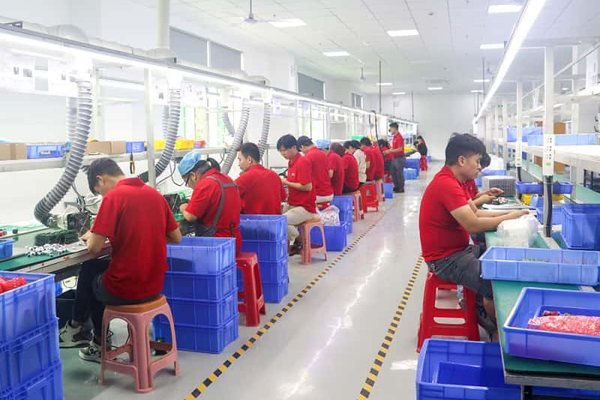
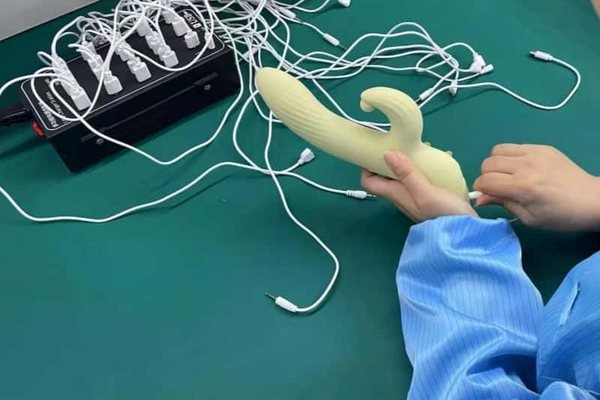
Most silicone vibrators contain a motor, battery, PCB, charging system, switch or sensor, wiring, and structural support. During assembly, operators verify component identity, soldering quality, polarity, current draw, charging behavior, motor position, and seal interfaces. Fixtures and work instructions help keep component placement consistent.
A change to the motor, battery, shell thickness, adhesive, charging port, or sealing structure can affect vibration strength, noise, heat, runtime, charging, waterproof performance, and feel. The model should be retested after any such change. Buyers using private-label or custom construction should include these items in the approved bill of materials and change-control agreement.
Assembly Verification Evidence
Charging fixtures, PCB workmanship, and finished-unit checks should follow the approved work instruction. Records should connect the tested unit or sample to the component batch and production lot.
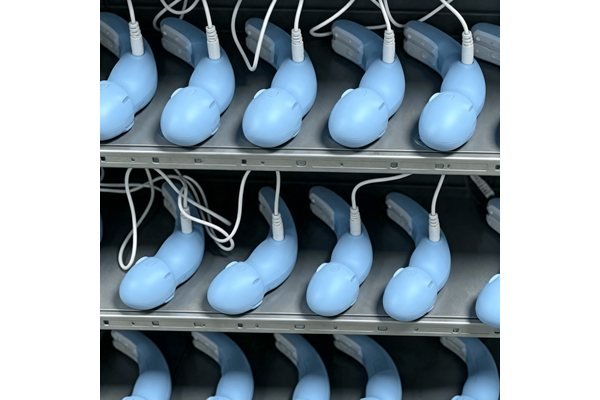

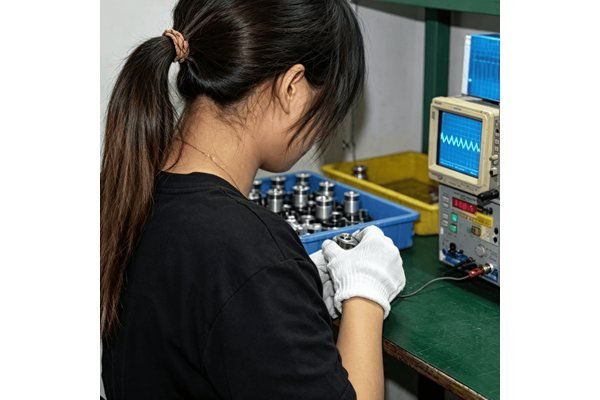
For a broader view of in-house verification capabilities, review the WINYI testing and QC laboratory before confirming the inspection plan.
Stage 5: Surface Inspection and Finishing
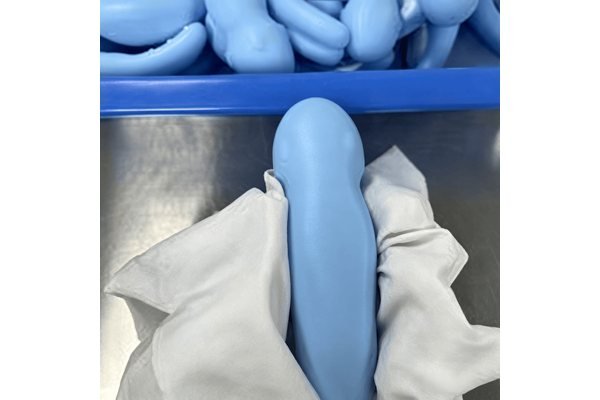
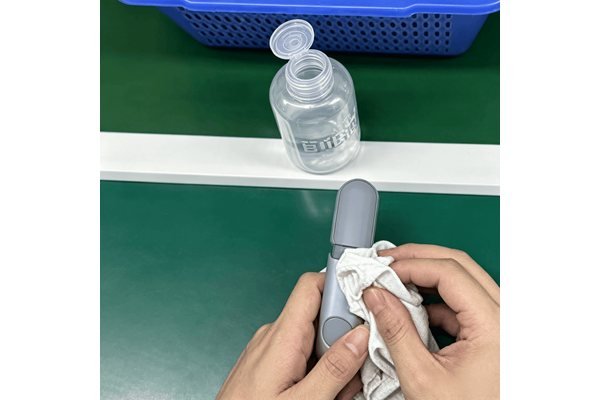
Surface quality begins at the mold. After molding, operators trim gate marks and flash, clean the part, apply any model-specific coating, and inspect seams, contamination, bubbles, dents, scratches, and color variation. A controlled visual standard should state which defects are critical, major, or minor and where they are unacceptable.
A smooth, consistent surface is easier to clean and leaves fewer areas for residue, but polishing or coating alone does not make a product hygienic. Cleaning instructions must match the actual silicone grade, electronic construction, charging interface, and waterproof rating.
Stage 6: Functional Testing and Final QC
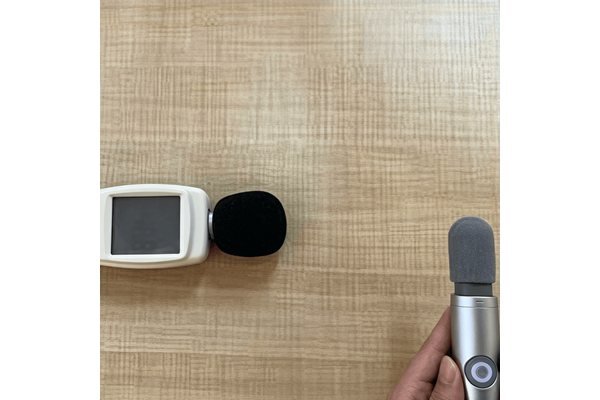
Finished units receive appearance and functional checks such as power-on, mode switching, charging indicator, noise, surface inspection, and basic workmanship. Longer tests—including motor aging, battery cycling, key-life testing, and waterproof qualification—may be performed by model, batch, or sampling plan.
If a model is designed and qualified as IPX7, the rating applies to the tested enclosure configuration. Changing a charging port, button, seal, adhesive, or housing can affect that rating. An IPX7 qualification report is different from a routine production leak check. Buyers should request the report tied to the exact SKU and define which checks occur on every unit.
| Check | Typical coverage | What it confirms |
|---|---|---|
| Appearance and function | Every unit | Power-on, switching, noise, and visible defects |
| Waterproof leak check | Every unit or agreed sampling | The unit seal, not the IPX rating itself |
| Motor aging and battery cycling | Sampled or batch | Longer-term operating stability |
| Button/key-life test | Per model design | Switch durability |
| IPX7 immersion qualification | Per enclosure configuration | The model-specific rating |
A formal sampling plan should name the AQL level and define critical, major, and minor defects. There is no universal AQL that fits every product and order, so acceptance limits and remedies should be agreed before production starts.
Stage 7: Packaging and Batch Traceability
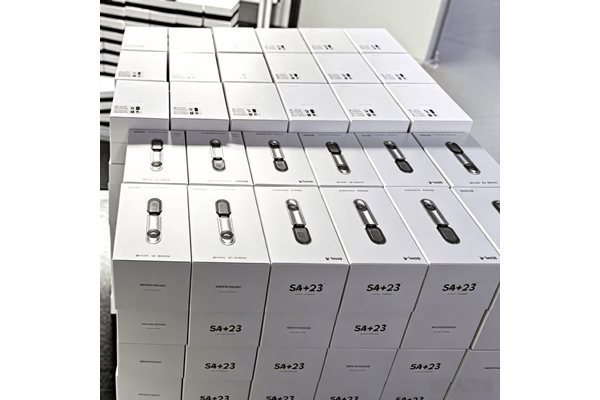
A defensible traceability system connects a finished unit to its raw-material lot, pigment batch, production date and line, mold or cavity, component lots, inspection record, finished-goods lot, and any nonconformance record. Packaging is where identification is preserved for warehousing and shipment—or where traceability is lost.
Packaging validation should also cover product protection, charging accessories, manuals, warnings, barcode data, destination-market labels, and drop or transport requirements. Ask the supplier to show an anonymized real batch record rather than only describing its system.
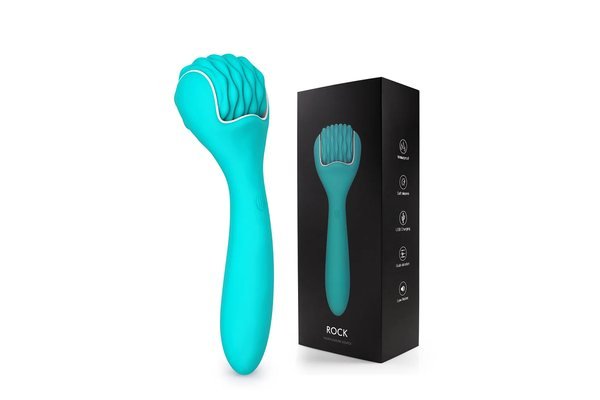
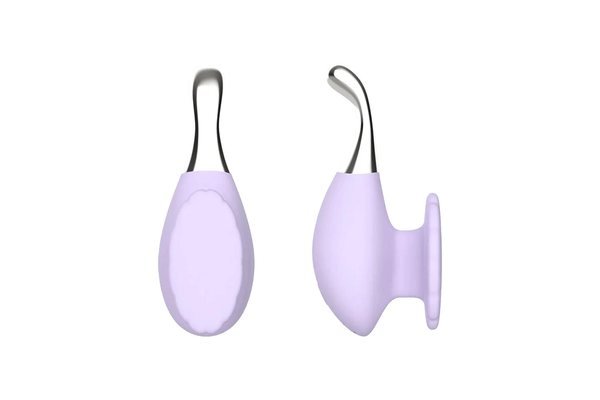
Buyers can compare available formats in the custom vibrator product range before defining a new OEM or ODM project.
Silicone Vibrator Sample Approval Gates
Specification drift often begins when a buyer skips an approval gate or approves from a description instead of the physical part. Use a documented sequence and record who signs each step.
| Gate | What it confirms | Sign-off |
|---|---|---|
| Concept/reference sample | Design direction and target behavior | Buyer before mold development |
| Production-mold sample | Real geometry, seam, texture, and assembly | Buyer before mass production |
| Golden sample | Final color, finish, feel, and function | Buyer and factory QC |
| Pilot run | Production output matches the approved sample | Factory QC against signed limits |
How to Read Supplier Evidence
Documents may look similar while proving different things. ISO 9001 certification describes how a quality-management system operates; it does not certify an individual vibrator’s material, waterproofing, electrical safety, or performance. Always connect evidence to a named model, lot, component, and standard.
| Evidence | Performed by | What it demonstrates |
|---|---|---|
| Material declaration | Raw-material supplier | The formulation or material lot supplied |
| Incoming inspection | Factory | Received material matches purchasing requirements |
| Functional QC | Factory | Operation, charging, vibration, and workmanship |
| Compliance report | Accredited laboratory | A named model tested to a specified standard |
| ISO 9001 certificate | Certification body | The quality-management system |
Compliance and Certification by Target Market
Applicable requirements depend on construction, destination market, battery, electronics, and connectivity. A battery-powered or wireless model has different obligations from a simple non-electronic product. ISO 3533:2021 addresses design and safety requirements for sex toys, while EU sales may also involve the General Product Safety Regulation, REACH, RoHS, EMC, battery, and packaging rules.
| Area | Typically relevant when |
|---|---|
| EU GPSR | The product is sold in the European Union |
| REACH | Chemical substances in materials or coatings |
| RoHS / EMC | Electrical or electronic components are used |
| Radio Equipment Directive | Bluetooth or another radio function is included |
| UN 38.3 / battery rules | Lithium batteries are shipped internationally |
| US FCC | Wireless transmission or relevant digital circuitry is present |
| ISO 3533 | Design and risk assessment for sex toys |
REACH is a regulation, not a generic factory certificate. FCC treatment depends on the actual electronics, and UL 4200A applies to products using button or coin-cell batteries rather than every rechargeable product. A phrase such as “FDA tested” is not meaningful without the specific regulatory basis and laboratory evidence. Review WINYI’s sex toy certification guide and confirm the document set for each SKU and market.
Commercial Terms and RFQ Information
Lead time and MOQ depend on customization. An existing model follows a different schedule from a custom color, private-label package, modified internal structure, or new mold. Sampling, approval, material preparation, mass production, inspection, and shipping dates should be confirmed after the supplier reviews the specification and quantity.
A useful RFQ includes target market and sales channel, dimensions and hardness, color reference, motor and noise target, battery capacity, charging method, waterproof rating, connectivity, logo and packaging, order size, test reports, Incoterm, and destination. In return, request an approved specification, signed golden sample, quotation with Incoterm, tooling-ownership terms, inspection plan, material declaration, model-specific reports, batch-traceability format, and defect-remedy agreement.
WINYI’s OEM and ODM development services can support existing-model customization or a new molded product. For a manufacturing assessment and quotation, send the project requirements to the WINYI team.
Frequently Asked Questions
What makes silicone common in vibrator manufacturing?
Properly formulated and cured silicone can provide a flexible, low-porosity, easy-to-clean surface. The exact grade and finished-part evidence matter more than a generic “silicone” description.
Why can a silicone vibrator feel tacky or develop an odor?
Possible causes include incomplete cure, formulation, additives, coating, handling contamination, storage, or cleaning method. The factory should define an odor and surface acceptance method for the specific SKU.
Is a waterproof vibrator automatically IPX7?
No. IPX7 applies to a specific enclosure tested under defined conditions. A changed charging port, switch, adhesive, or housing can invalidate the previous result.
What is the difference between a leak check and IPX7 testing?
A routine leak check verifies production sealing. IPX7 qualification verifies a named enclosure configuration under the conditions of the applicable standard and should be supported by a model-specific report.
Should buyers approve a handmade prototype?
A handmade prototype can confirm direction, but mass production should be authorized only after approving a sample from the actual production mold and a signed golden sample.
Which silicone vibrator tests should run on every unit?
Appearance, power-on, mode switching, charging indication, basic noise, and agreed workmanship checks commonly run on every unit. Longer aging, cycling, and qualification tests may follow a defined sampling plan.
What does ISO 9001 prove about a vibrator?
ISO 9001 certifies the supplier’s quality-management system. It does not prove the safety, material, waterproof performance, or compliance of an individual product.
When should a buyer request a new compliance test?
Request review after changes to materials, electronics, battery, radio function, charging system, enclosure, sealing, or target market. The laboratory and compliance team should decide whether retesting is required.
What information helps a factory quote accurately?
Provide the product concept, target market, expected quantity, material and hardness, color, motor, battery, charging, waterproofing, connectivity, packaging, test reports, Incoterm, and destination.
Conclusion
Reliable silicone vibrator manufacturing depends on more than a clean workshop or a finished sample. Buyers should verify the silicone formulation, mold and curing controls, internal electronics, waterproof construction, unit-level checks, batch traceability, approval gates, and model-specific compliance evidence. A precise RFQ and signed golden sample turn those requirements into an auditable production standard.