

Sex toy material hardness is one of the first specifications buyers discuss—and one of the easiest to misunderstand. A Shore reading can describe a material sample, but it cannot fully predict how a finished vibrator, masturbator, plug, or wearable product will feel in the hand or during use. Wall thickness, internal support, geometry, curing, and assembly all influence the final result.
For OEM and ODM buyers, the safest approval method combines a defined material grade, a named Shore scale and tolerance, finished-part testing, and a signed tactile limit sample. This guide explains how experienced manufacturers engineer soft, medium, and firm feel so brands can write clearer briefs, compare samples fairly, and avoid production surprises.
| Approval item | What the buyer should lock | Why it matters |
|---|---|---|
| Material | Exact silicone or TPE grade | Different formulations can share a hardness number but feel different |
| Hardness | Shore scale, target, tolerance, and test method | Makes supplier readings comparable |
| Structure | Wall thickness, core, motor, and support layout | Controls bending, compression, and recovery |
| Reference | Signed tactile limit sample | Translates a subjective feel into a production standard |
Why Hardness Is Not the Same as Product Feel
Hardness measures resistance to indentation under a defined test. Product feel is a broader sensory result: how quickly a surface yields, how far the body bends, whether a tip rebounds, and how the product behaves around a motor or rigid frame. Two products molded from the same compound can therefore feel noticeably different.
A thin silicone shell over a rigid internal chassis may feel soft at the surface but firm overall. A solid part made from a slightly firmer material may bend more if its neck is narrow. Hollow areas, ribs, undercuts, motor position, and battery housings can all alter compression. This is why a supplier should never approve a finished product using a plaque reading alone.
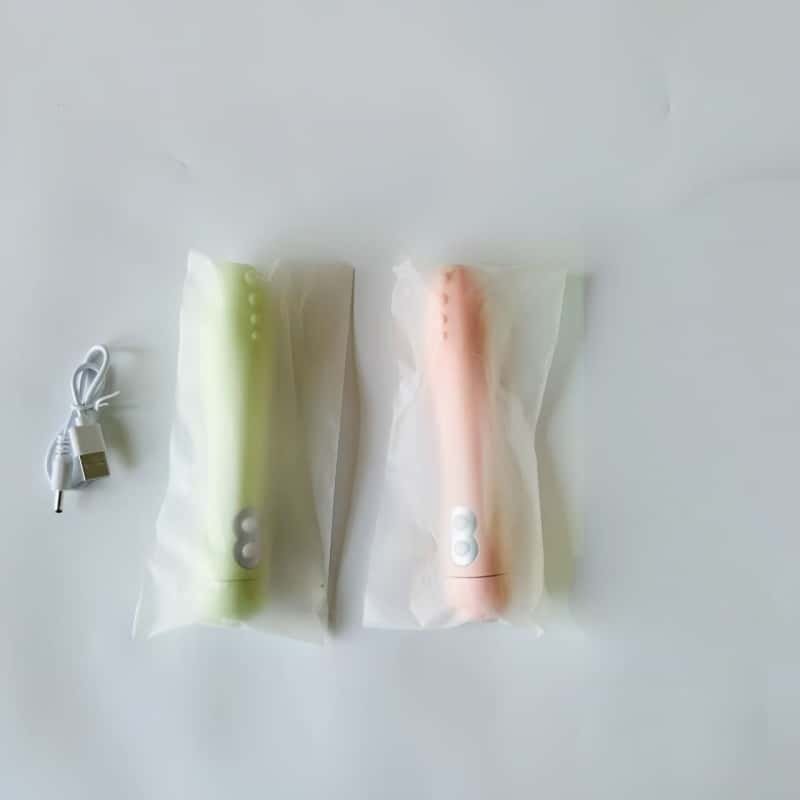

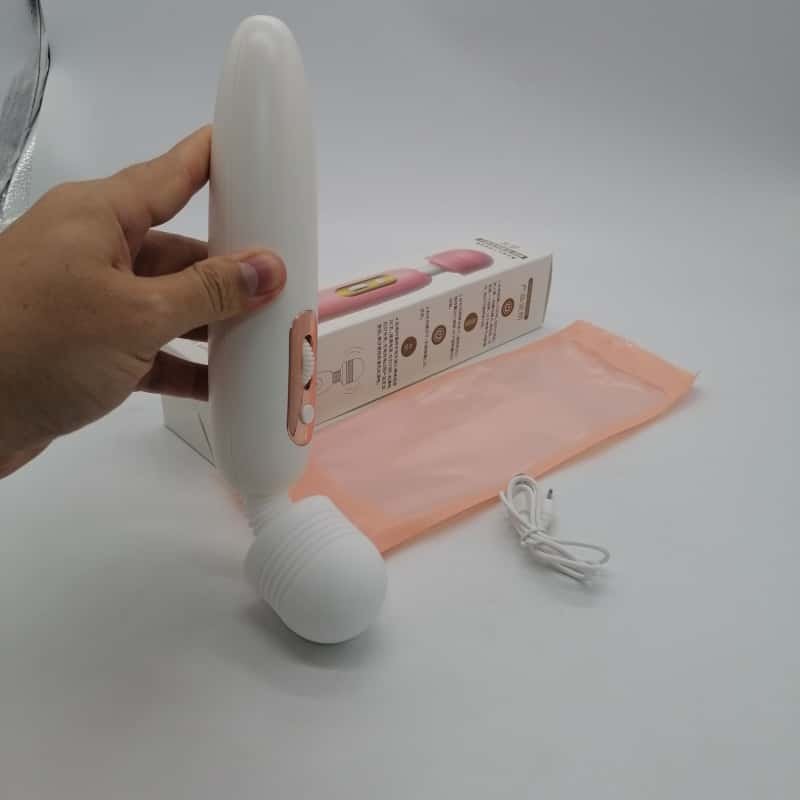
How Manufacturers Test Sex Toy Material Hardness
Choose the Correct Shore Scale
Shore hardness testing follows standardized durometer methods. ASTM D2240 and ISO 48-4 define procedures for indentation hardness. The correct scale depends on the material and hardness range. Soft elastomers are often discussed using Shore 00 or Shore A, while firmer elastomers may use Shore A. A number without the scale is incomplete.
The specification should record the instrument type, scale, conditioning time, test temperature, sample thickness, number of readings, measurement locations, and allowed tolerance. Those details reduce disagreements between a buyer’s laboratory and the factory’s quality team.
Test Plaques and Finished Parts for Different Reasons
A standard plaque gives a more repeatable view of the compound because it has controlled thickness and a flat surface. A finished product reading includes geometry, hollow sections, internal frames, and assembly pressure. Both measurements are useful, but they answer different questions.
- Plaque test: verifies whether the compound and cure are consistent from batch to batch.
- Finished-part test: checks actual production units at agreed locations.
- Tactile comparison: confirms bend, squeeze, rebound, and surface sensation against the approved limit sample.
For better traceability, the WINYI laboratory and quality process can be included in the development plan before tooling is finalized.


Five Variables That Control Soft, Medium, and Firm Feel
1. Material Chemistry and Grade
Platinum-cured silicone, condensation-cured silicone, and TPE families have different elastic response, tear strength, surface drag, oil behavior, and aging characteristics. Even within one family, fillers, plasticizers, pigments, and additives influence softness and recovery. Buyers should approve an exact grade rather than a generic label such as “medical silicone” or “soft TPE.”
2. Cure, Mixing, and Conditioning
Mix ratio, pigment loading, mold temperature, cure time, and post-cure conditions can shift the result. Parts measured immediately after molding may not match parts conditioned for 24 or 48 hours. A controlled manufacturing instruction should define when hardness is measured and when tactile approval occurs.
3. Wall Thickness and Internal Support
Thickness is often more influential than a small change in Shore value. A thinner shell compresses easily; a thicker wall resists indentation. Internal ribs, a rigid core, a battery cavity, or a motor frame may create locally firm areas. CAD review and prototype testing should therefore happen before a brand confirms its final feel target.
4. Product Geometry
Diameter, neck width, taper, curvature, hollow space, and transitions between sections control bend and buckling. A rounded head may feel softer under pressure than a narrow tip made from the same material. Engineers should define the desired behavior at each functional zone instead of choosing one global adjective.
5. Multi-Material Construction
Dual-density molding or a soft-over-rigid structure can deliver a cushioned surface with stable internal support. These solutions create more design freedom but require stronger process control around bonding, flash, wall uniformity, and dimensional tolerance. Review the available OEM and ODM manufacturing services early if the concept requires multiple materials or complex internal hardware.
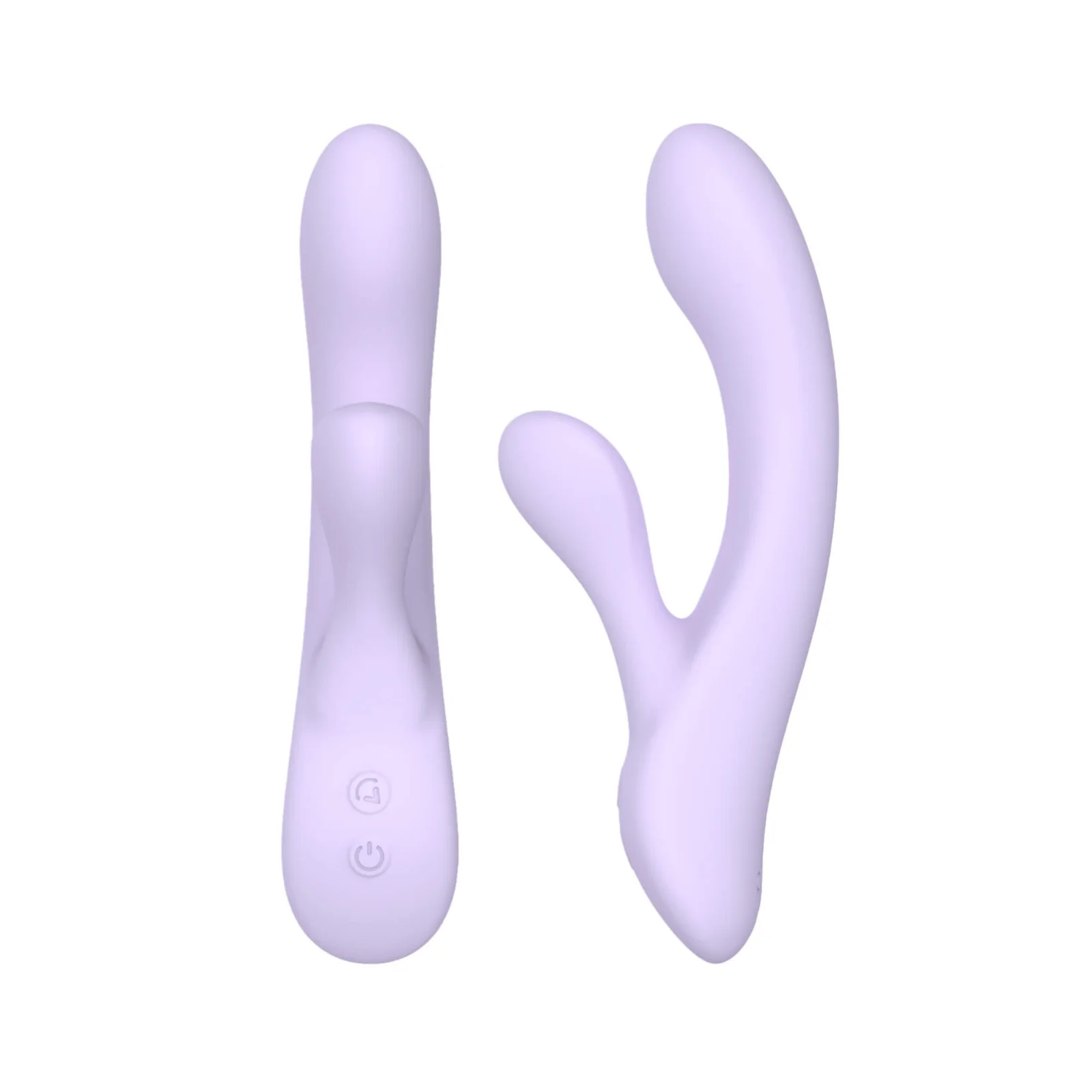
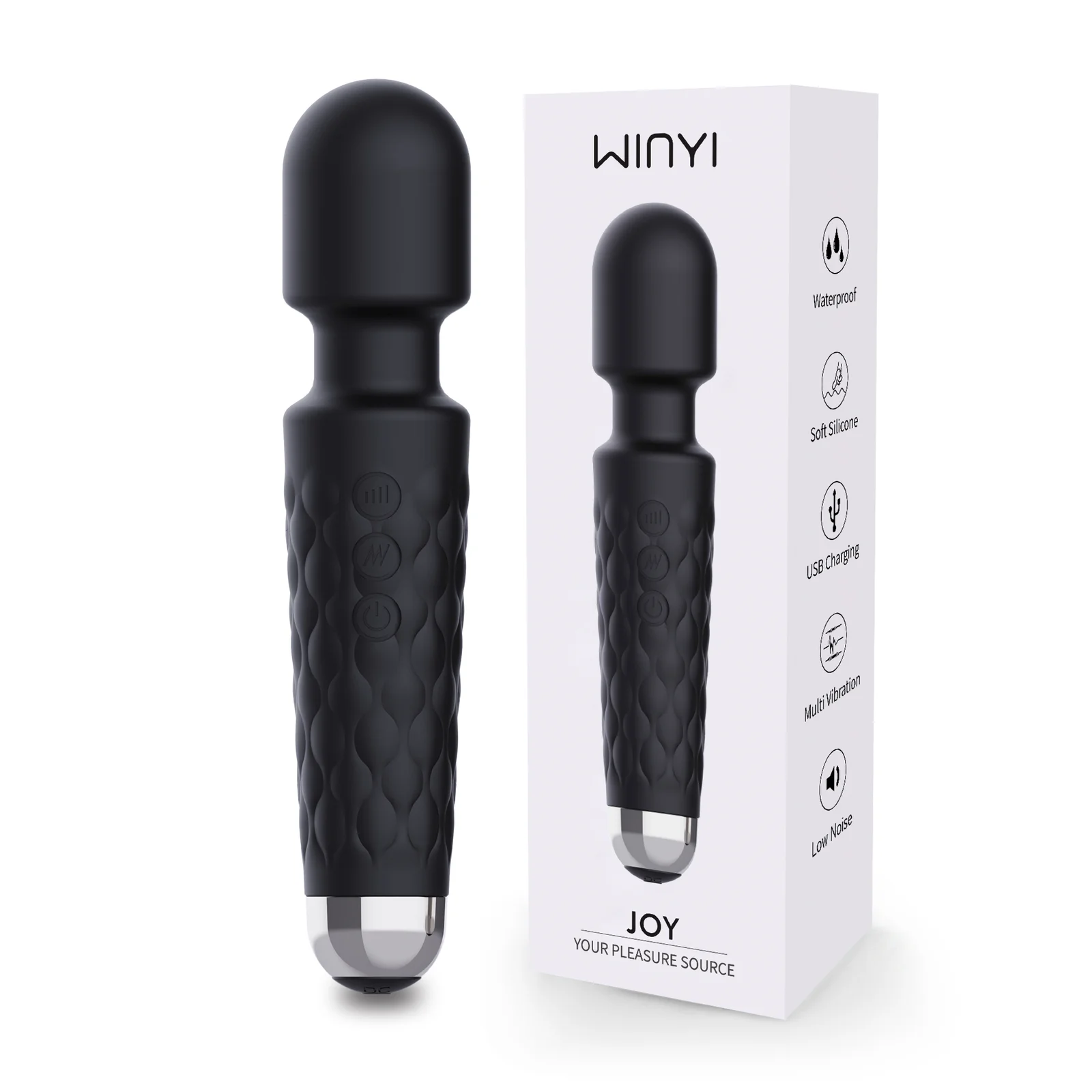

Soft, Medium, or Firm: A Practical Decision Matrix
The best target depends on product category, user expectation, motion system, safety margin, and packaging. Use the following matrix as a starting point, then validate it with prototypes and a signed sample.
| Target feel | Expected behavior | Engineering direction | Validation |
|---|---|---|---|
| Soft | Yields easily under light pressure | Softer grade, thinner wall, limited internal support | Squeeze, bend, rebound, and tear-risk checks |
| Medium | Balances surface give and structural support | Moderate wall with flexible design margin | Tactile comparison plus functional bend test |
| Firm | Resists indentation and holds its shape | Firmer grade, thicker wall, or supportive core | Structural, drop, assembly, and tactile checks |
Product category matters. A flexible wearable arm needs different bend behavior from a thrusting device with a moving mechanism. A custom vibrator may require local softness around the contact area and firmer support near the motor. A male masturbator may depend more on sleeve thickness, texture depth, and recovery.

From Design Brief to Approved Production Run
Step 1: Define the Sensory Target
Describe what the product should do rather than relying only on “soft” or “firm.” Useful language includes easy squeeze, slow rebound, flexible tip, stable base, low surface drag, and no permanent deformation after compression. Attach a reference product or a physical sample when possible.
Step 2: Build the Measurable Specification
State material family and grade, Shore scale and range, allowed tolerance, test method, conditioning time, wall-thickness limits, color, finish, and critical measurement zones. Define which items are controlled at incoming material, molding, assembly, and final inspection.
Step 3: Review CAD and Prototype Options
Use CAD to identify thin sections, hard transitions, motor contact points, and possible sink or deformation zones. A prototype may not perfectly reproduce production material, but it can reveal whether geometry supports the intended flex pattern. When tooling is available, evaluate production-equivalent T0 and T1 samples.
Step 4: Approve a Limit Sample
The approved sample should be signed, dated, coded, and stored by both buyer and factory. Record which zones may vary and what constitutes rejection. Photos and videos help, but they do not replace a physical tactile reference.
Step 5: Confirm the Pilot Run
A pilot build verifies that the chosen material and geometry remain stable during real mixing, molding, assembly, aging, and packing. Check samples from different cavities and different times in the run. Keep the pilot-run data with the product specification and change-control record.



Compliance, Claims, and Change Control
Material feel is only one part of product safety. ISO 3533:2021 covers design and safety requirements for sex toys, while destination markets may also require chemical, electrical, labeling, traceability, and general product-safety documentation. Buyers selling in the EU should consider the General Product Safety Regulation alongside relevant RoHS, REACH, battery, and packaging obligations.
A claim such as “body-safe,” “medical grade,” or “hypoallergenic” should be supported by appropriate evidence and reviewed for the target market. For a broader checklist, see WINYI’s guide to sex toy certifications and compliance.
Change control is equally important. Require written approval before the factory changes resin or silicone grade, pigment package, supplier, mix ratio, cure cycle, wall thickness, core material, or production location. Retain batch records and reference samples so a later shipment can be compared with the original approval.


What to Include in a Sex Toy Material Hardness RFQ
A complete RFQ shortens development time and helps suppliers quote the same product. Include:
- Product category, intended function, target market, and annual volume;
- Preferred material family and any restricted substances;
- Target feel described in behavioral language;
- Shore scale, target range, tolerance, and test procedure if already known;
- CAD, dimensions, wall thickness, internal components, and motor layout;
- Color, texture, surface finish, odor, and packaging requirements;
- Prototype, limit-sample, pilot-run, and inspection expectations;
- Required compliance reports and destination-market documents;
- Change-control, traceability, warranty, and defect-handling requirements.
If the exact Shore target is not yet known, send a reference sample and describe the desired bend, squeeze, and rebound behavior. An experienced supplier can propose two or three controlled options for comparison. To discuss a custom project, contact WINYI for an engineering review and quotation.
Frequently Asked Questions
What Shore hardness is best for a sex toy?
There is no universal best value. The correct range depends on material family, product geometry, wall thickness, internal hardware, motion system, and the intended sensory result. Approve the finished product as well as the compound.
Can two silicone products with the same Shore A value feel different?
Yes. Formulation, surface finish, wall thickness, internal structure, curvature, and cure conditions can produce different tactile results even when plaque readings are similar.
Should buyers use Shore 00 or Shore A?
Use the scale appropriate for the material range and state it explicitly. Very soft elastomers may be better characterized on Shore 00, while many firmer silicone and TPE products use Shore A. The test laboratory or material supplier should confirm the appropriate scale.
Why can plaque and finished-product readings differ?
A plaque is flat and uniformly thick. A finished part may be curved, hollow, thin, or supported by a core, motor, or battery housing. Those structural differences affect indentation readings.
How wide should the production tolerance be?
The tolerance should reflect the material, instrument, sample thickness, test location, and process capability. Agree it during sampling, then confirm that pilot-run data can consistently stay within the proposed range.
What is a tactile limit sample?
It is a signed physical sample representing the accepted look and feel. Both buyer and factory retain matched samples and use them during incoming, in-process, and final inspections.
Is a pilot run necessary after approving the material?
Yes for most custom programs. A pilot run confirms that full molding, curing, assembly, and packing conditions reproduce the approved performance across cavities and batches.
What documents should ship with each production batch?
Typical records include material lot traceability, incoming and in-process inspection results, finished-product checks, relevant compliance reports, and approved deviation or change notices.
Can a manufacturer make different areas of one product feel different?
Yes. Engineers can vary thickness, hollow structures, ribbing, cores, or use multi-material construction. The design must also account for bonding, hygiene, durability, and production repeatability.
When should the factory be contacted about the target feel?
Ideally before final CAD and tooling. Early material and structural review makes it easier to balance softness, motor support, durability, manufacturability, and cost.
Conclusion
Reliable soft, medium, and firm feel comes from coordinated material selection, structural design, test discipline, and sample control. Treat Shore hardness as one measurable input—not the entire product experience. By locking the scale, method, tolerance, geometry, limit sample, and change-control rules, OEM and ODM buyers can convert a subjective idea into a repeatable production standard.