

A practical guide for wellness brands looking for body-safe silicone stroker, private-label packaging, EU compliance, and reliable OEM production.
Sourcing a silicone stroker OEM manufacturer for Europe really comes down to five things: platinum-cure, body-safe silicone, the right compliance paperwork (FDA, LFGB, REACH), a clear mold decision (existing or custom), private-label readiness, and a supplier who can talk you through samples, pricing tiers, and shipping without getting vague. Get those five right and the rest of the project tends to fall into place.
Why Premium Male Wellness Brands Need the Right OEM Partner
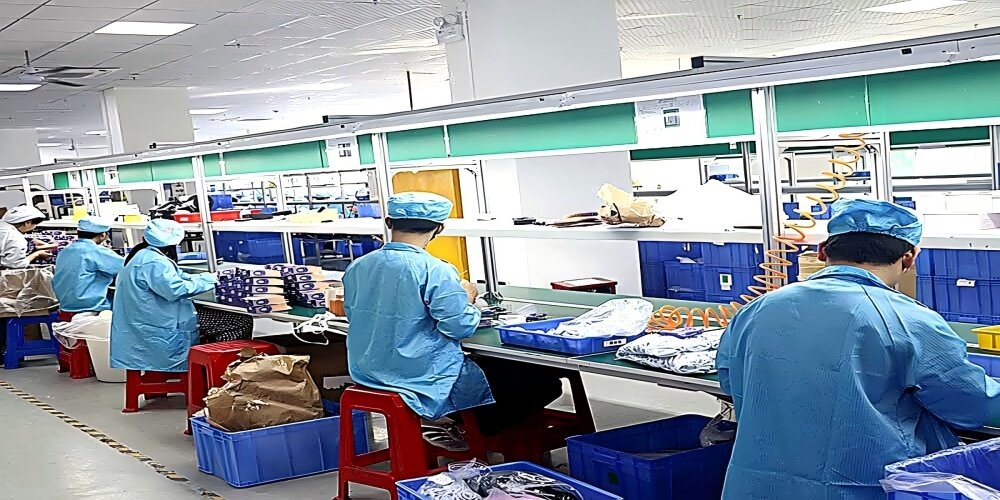
The male wellness space in Europe has changed a lot in just a few years. The brands doing well now are discreet, design-led, and premium. No loud colors, minimal packaging, soft matte colors. Their customers need to feel that the product has been thought through, rather than being something that appeared on a random listing on the marketplace.
That standard is established well in advance of launch, at the factory. Whether your compliance papers actually stand up when a platform or customs officer asks, the silicone grade, the surface finish, batch-to-batch consistency and the quality of packaging are all determined by your OEM partner. Make a wise selection and you’ll find yourself with a silicone stroker that you can market and brand. When you select the wrong one, you’ll know once the items are returned, delisted or your shipment is languishing at the border.
This is a guide for brands seeking to manufacture their own private label silicone stroker and are about to contact silicone suppliers. It covers what to define, what to ask, and what to check, so your first inquiry reads like it came from a serious buyer.
Define Your Silicone Stroker Clearly Before Asking for a Quote
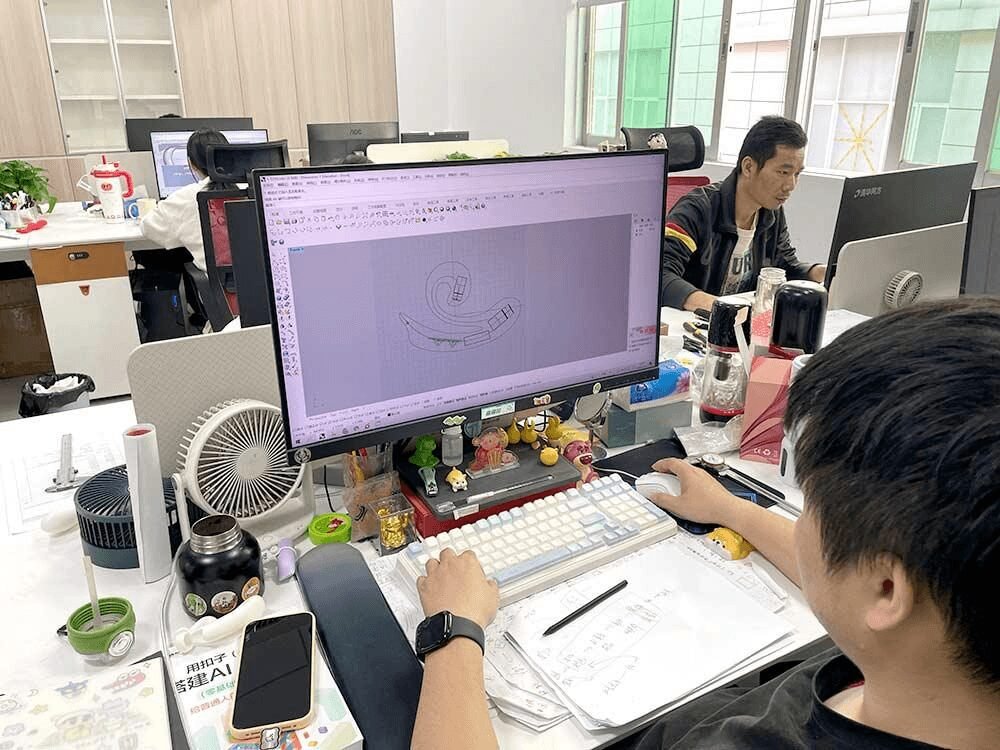
Here’s a pattern every factory knows: the vaguer the inquiry, the messier the project. “We want a premium stroker, can you quote?” gives a supplier almost nothing to work with. A clear brief, on the other hand, lets them tell you quickly whether an existing mold fits or custom tooling is needed, and that changes your cost and timeline completely.
So before you contact anyone, pin down the basics. The silicone stroker type and format, for example an open-ended design or a closed one-piece soft body. The rough size range. The internal structure and texture, say ribbed or beaded. The outer finish, like a smooth matte surface. The shape direction, and many European brands now prefer a minimalist, non-phallic look. Your target market. And your packaging expectations, even at a rough level.
You don’t need final engineering drawings. Reference images and a short written description are enough. What matters is that the supplier can picture the product you mean, not the product they assume you mean.
Material Matters: Why Platinum-Cure Silicone Stroker Is Important
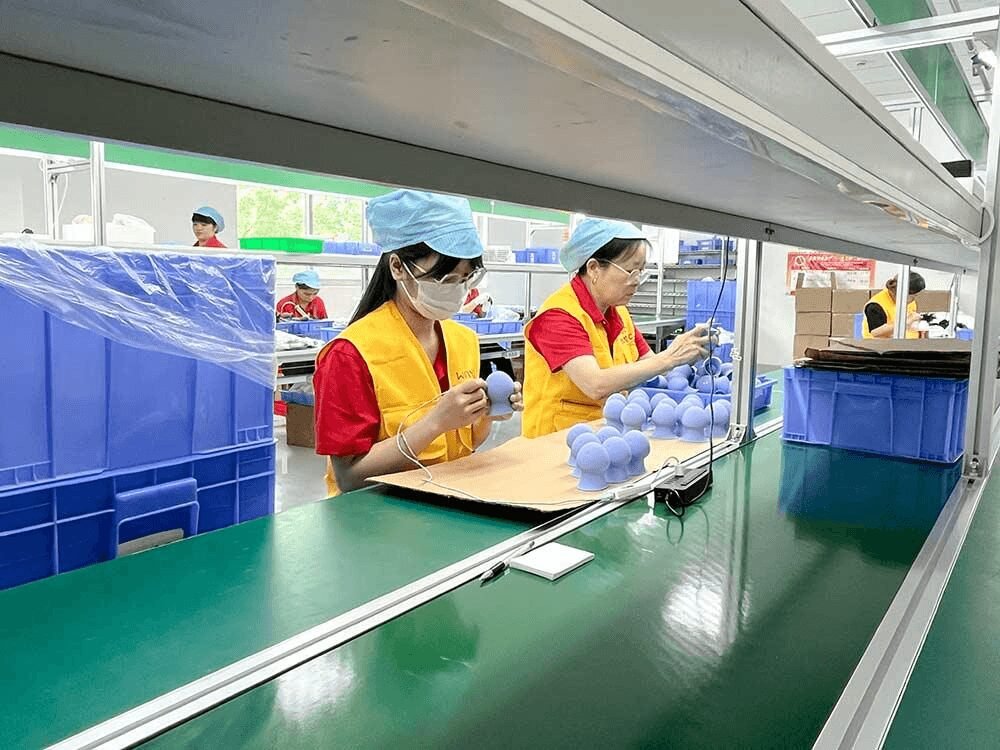
For a body-contact silicone stroker, the material is the product. The grade that most top quality wellness brands require is platinum-cure silicone stroker and there’s a reason for that. It is body safe and phthalate free, long-lasting, available with a soft and dry feel that buyers are used to finding in quality products, and is durable enough to go through repeated use and cleaning. Durability is as important as the initial impression for a reusable soft-body product.
TPE and TPR are located in a different position in the market. They’re easier to obtain and less expensive per unit which is why many entry-level silicone stroker utilize them. That’s a good position. However, compliance with TPE is typically less clear-cut, and generally it’s more porous, wears quicker, and is less likely to be branded as premium. Platinum silicone stroker supports your “premium and body-safe” brand promise whereas a budget material does the opposite.
Whichever way you go, ask the supplier to be specific about the exact material and grade, not just “silicone.” A factory that works with these materials daily will explain the options without hesitation, and a good primer on the differences is worth reading before that call, like this guide to choosing silicone material for adult products.
EU Compliance Checklist for Silicone Stroker
Compliance is where serious suppliers separate from the rest, and for the EU it’s not optional. Before you commit, ask for the documents by name:
- FDA and LFGB test reports for the silicone stroker, which cover food-grade and body-contact safety standards.
- REACH compliance, the EU’s chemical regulation, which matters for customs and for selling legally in Europe.
- Phthalate testing, since phthalate-free is both a safety point and a marketing claim you’ll want evidence for.
- A material declaration, stating exactly what the product is made of.
- Batch consistency support, meaning the factory can show that unit 5,000 matches unit 50.
Why push on this? Because the paperwork follows the silicone stroker everywhere. Marketplaces and retail platforms ask for it when you list. Customs can ask for it at import. And your customers, especially in the wellness space, increasingly expect a brand to state its safety credentials clearly.
A supplier who can produce current reports for the specific material you’re buying, not a generic certificate from years ago, is a supplier you can build on. You can see how a manufacturer typically presents this kind of documentation on a certification page, then confirms the reports that apply to your own silicone stroker and market.
Existing Mold vs. Custom Mold: Which Is Better for Your Brand?
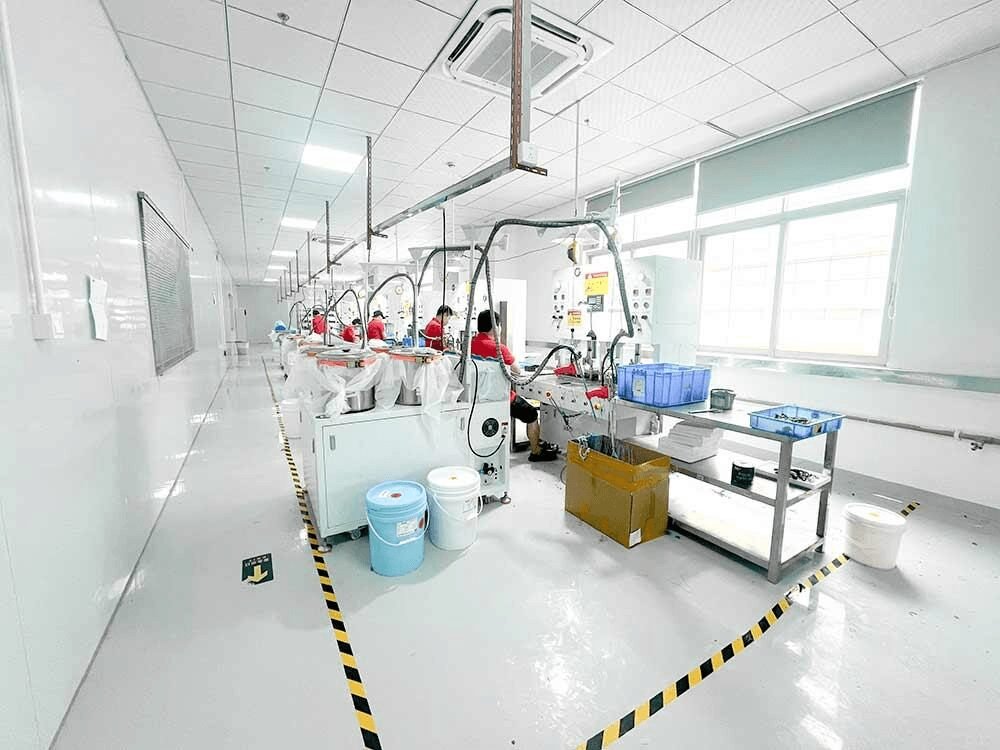
Every OEM project hits this fork early, and there’s no single right answer. It depends on where your brand is.
| Item | Existing mold | Custom mold |
|---|---|---|
| Sampling speed | Fast, the tooling already exists | Slower, tooling is built first |
| Development cost | Low | Higher, one-time tooling fee |
| MOQ | Usually lower | Usually higher |
| Differentiation | Limited, others may use similar molds | Full, the design is yours |
| Best for | Market testing, first launches | Established brands, unique designs |
An existing silicone stroker mold gets you to market fast and cheap. You pick a design close to your vision, customize the color, texture, logo, and packaging, and you’re testing real demand within weeks. A custom mold gives you a shape nobody else has, which is powerful once you know the silicone stroker sells, but you pay for tooling and you wait longer.
A sensible question for your very first inquiry: “Do you have an existing mold close to our reference design, or would this need a custom mold?” The answer tells you your real starting budget and timeline in one line.
What Affects OEM Pricing?
Suppliers cannot quote silicone stroker as a single number. They quote on quantities, generally 500, 1000, 3000 and 5000 pieces and the prices per piece will drop with the larger quantity. Therefore, instead of one price when you request pricing, request the tiers.
In addition to quantity, the biggest levers are the silicone grade, the weight and size of the silicone stroker (more material, more cost), the complexity of the mold, custom colors, the process used for the logo, the packaging level and the incoterm under which you are shipping.
Nothing surprises a factory, though they can only price it if your brief actually does include it. A full brief will result in an accurate quote in days, a thin brief will result in a ‘placeholder’ number that changes along the way. You can get a general idea of the interaction between these pieces from this wholesale price guide including FOB price, MOQ and customization mark-up, and the actual numbers will be confirmed per project with the supplier.
Private Label Options: Logo, Color, Texture, and Packaging
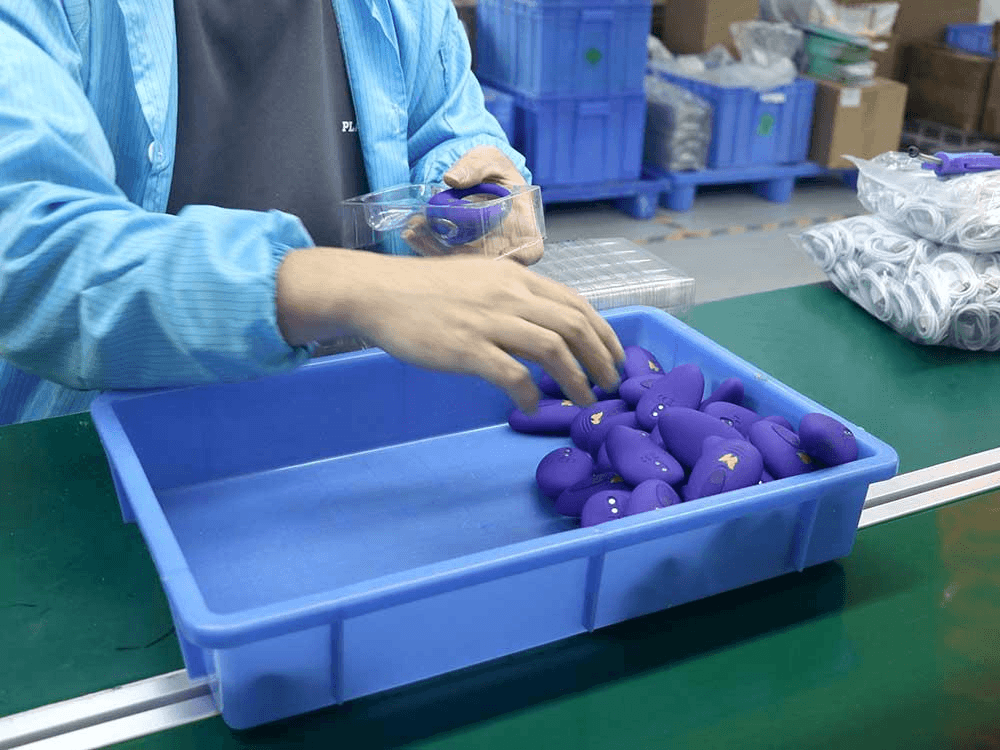
Private label is where the product becomes yours and with a silicone soft-body product there is more opportunity to customize than most buyers would think. On the product itself, you can usually set up logo engraving, embossing or debossing, custom matte colors matched to your brand palette, and in many cases the internal texture too.
If you’re looking for complete differentiation, it’s the custom mold option mentioned above.There’s packaging, and for a high-end DTC wellness company, packaging doesn’t come second. It’s half the positioning. A quality factory has the ability to provide a clean retail box, insert card, short manual, barcode or SKU label and a premium unboxing feel – all without having to coordinate two suppliers.
Keep in mind that in this category, people judge quality with their hands: the box, the finish, the feel of the silicone. The difference between premium and generic is quite often in the details and is rather tactile, so it’s best to see what a manufacturer’s male wellness product customization support actually covers before deciding.
Sampling and Lead Time: What to Expect
An OEM project is pretty predictable, and it helps to know the steps up front. In general, it is something like this: you confirm the requirements, the supplier checks your references, a mold is chosen (or it is discussed to make a custom tooling), material and color are confirmed, you order a paid sample, you approve the packaging proof, you approve a pre-production sample, mass production starts, they inspect the batch and it ships.
Two bits of honest advice inside that flow. To begin with, anticipate that the sample will be paid. A real factory uses real materials and machine time, and sample paid means that you have both parties invested; you can ask for the paid sample to be credited back against a bulk order.
Second, don’t miss the pre-production sample. That’s the final low-cost checkpoint you have before there are thousands of units available—the feel, the color, the logo and the packaging. Timing – Sample time and production time depends on the mold route followed, the customization and the season, so don’t take a vague promise for these times, get them in writing for your specific project.
Shipping to Europe: FOB vs. DDP
For a European buyer, the shipping conversation usually comes down to two incoterms.
| FOB | DDP | |
|---|---|---|
| Who handles freight | You, via your forwarder | The supplier, door to door |
| Duties and customs | Your side | Included, handled by the supplier |
| Control | High | Low effort, less control |
| Best for | Brands with a freight forwarder | Newer brands wanting simplicity |
With FOB (Free On Board), the supplier gets the goods to the port and your freight forwarder takes it from there. Typically, it’s the better rate when you have existing logistics arrangements in place, and seasoned importers often prefer the control. Delivered Duty Paid (DDP): The supplier arranges the entire process including import taxes, customs clearance and the goods are delivered to your door. DDP eliminates a lot of headache for a little more landed cost for a newer brand that doesn’t have a forwarder.
In any case, provide the supplier with the shipping country and your incoterm in the initial inquiry. The final quote is dependent on duties, documentation and destination.
Questions to Ask Before Choosing a Manufacturer
Simply copy these straight into your supplier conversation. Most answers can be found in the question and the level of directness in which they are delivered.
- Do you produce platinum-cure, body-safe silicone products in-house?
- Do you already have a mold close to our reference design, or would we need custom tooling?
- What are your MOQ and price tiers at 500, 1,000, 3,000, and 5,000 pieces?
- Can you share current FDA, LFGB, REACH, and phthalate test reports for this material?
- What logo processes do you support — engraving, embossing, debossing, or printing?
- Can you match custom matte colors and customize the internal texture?
- What private-label packaging can you make — retail box, insert, manual, barcode?
- Have you worked with European brands before, and can you support EU documentation?
- What does your sampling process look like, and what does a sample cost?
- What are the sample and production lead times for a project like ours?
- Which shipping terms do you offer to Europe — FOB or DDP?
If a supplier responds to these clearly, in writing, and does not duck the question, then you will know what the entire cooperation will be like.
What to Include in Your Inquiry
To get a quick and accurate response, your product brief should include the following information: the product type and target use case, an image or a design direction, approximate dimensions and feel you’re after, the material specification (platinum cure silicone, body safe / phthalate-free), your order quantity (500 / 1,000 / 3,000 / 5,000 pieces), the mold you prefer (existing or custom), custom color and custom finish requirements, the logo process you would like, packaging requirement (retail box / insert / manual / barcode/SKU), the test report you need (FDA / LFGB / REACH / phthalate-free), shipping country and preferred incoterm (FOB or DDP), and a rough timeline of sample, launch and reorder.
That’s one email. And it’s the difference between a quote in days and weeks of back-and-forth.
Ready to Start Your Project?
If you are making a high quality silicone wellness product and are looking for a private label manufacturing partner, WINYI is a Shenzhen-based OEM/ODM manufacturer for brands in Europe and around the world and offers in-house design, mold, private label, packaging, with compliance documentation to be discussed on a project and market basis.
Provide us with product brief, quantity requirement, reference pictures, material specification, compliance requirement, packaging requirement, shipping country etc. We’ll review your project and come back with mold suggestions, MOQ guidance, a pricing structure, a sample plan, compliance options, and shipping solutions. Contact us to get started.
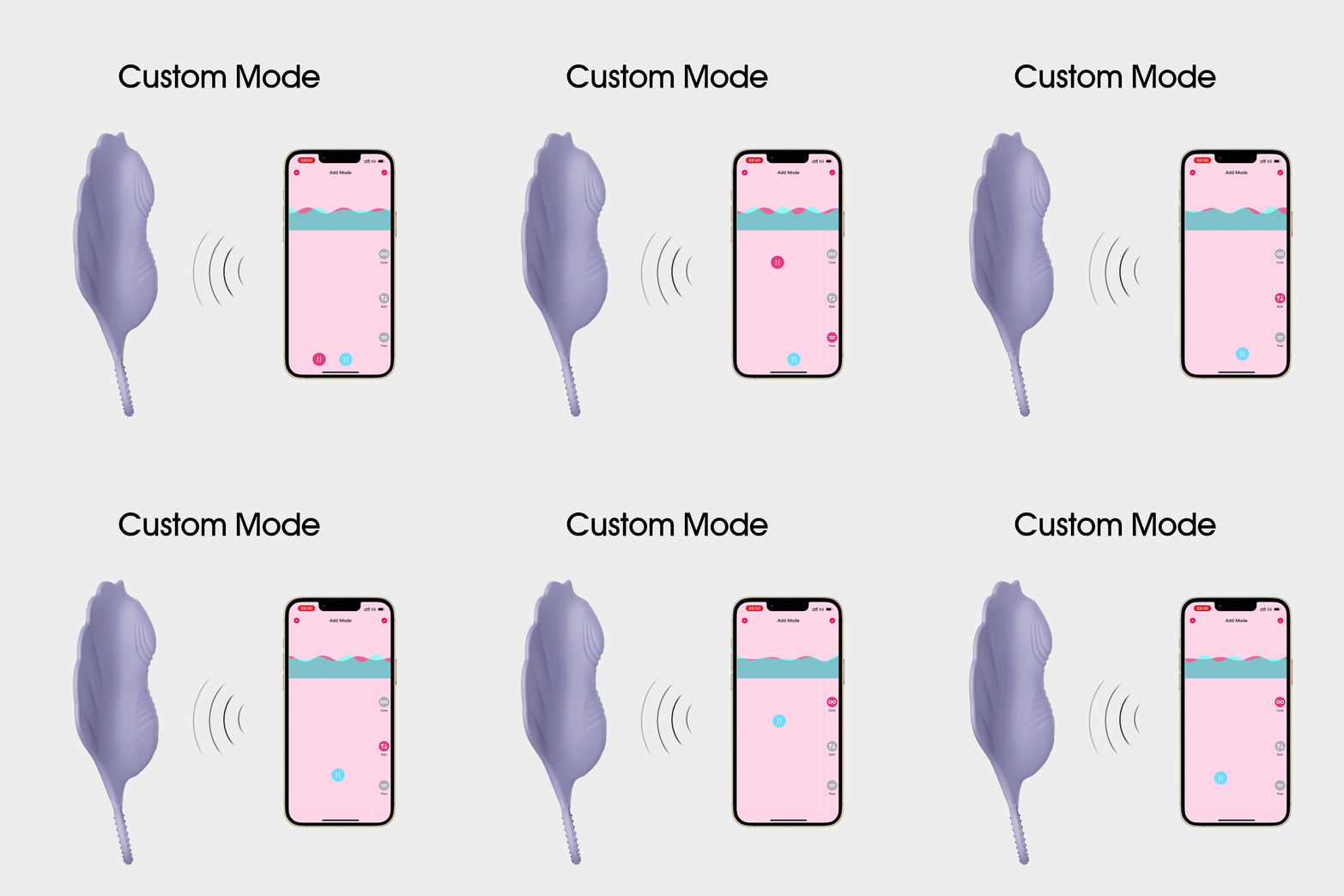
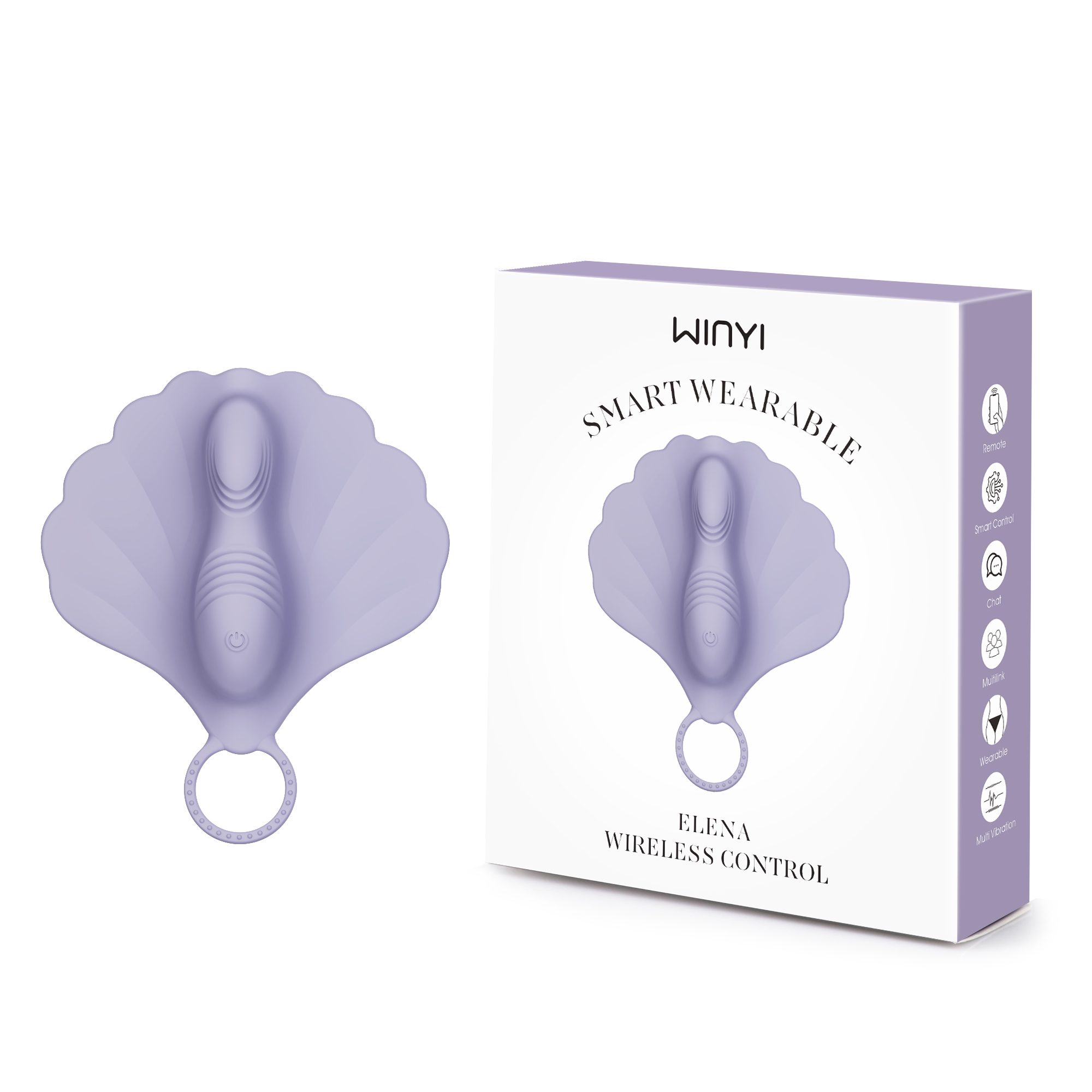
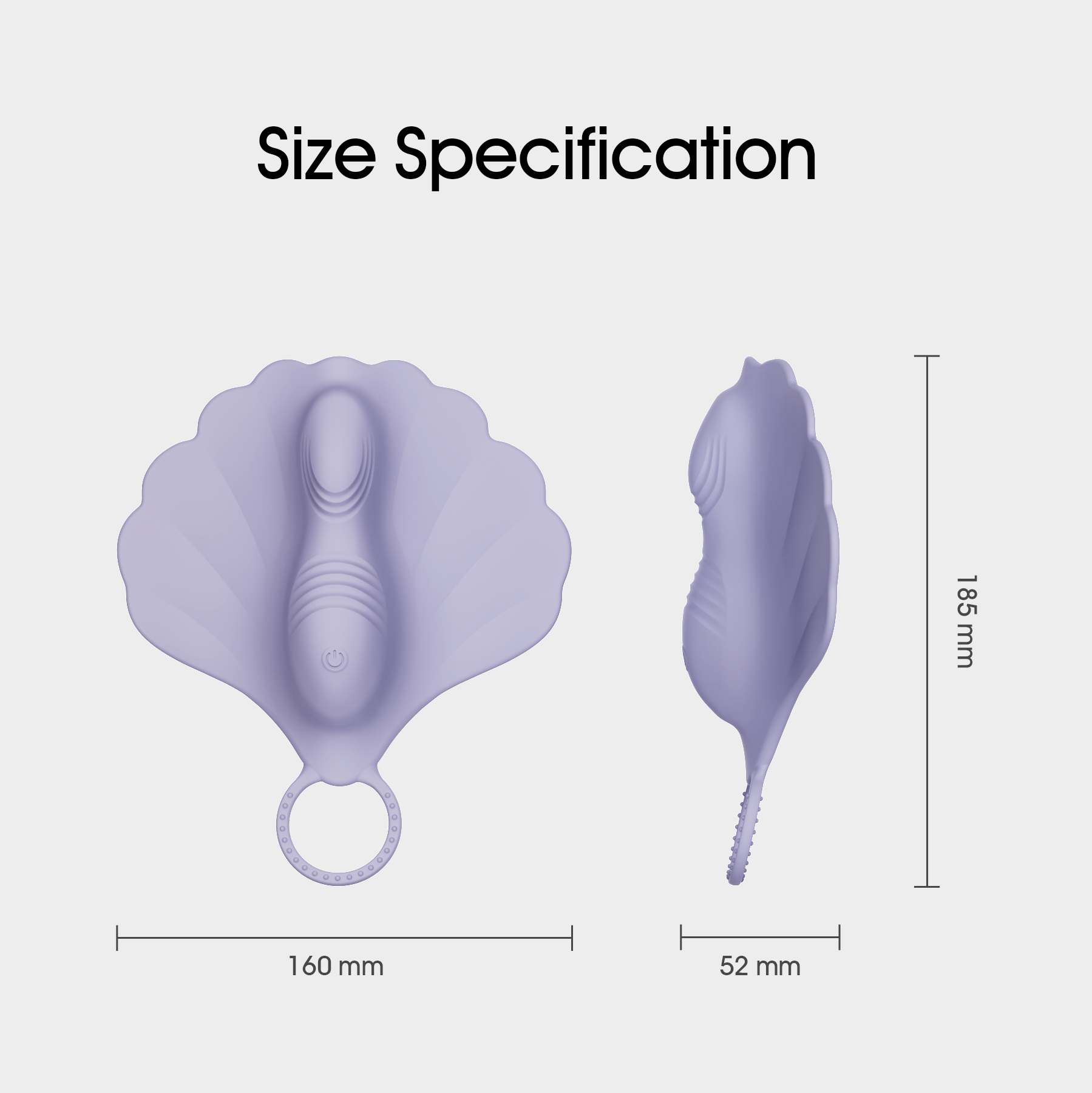


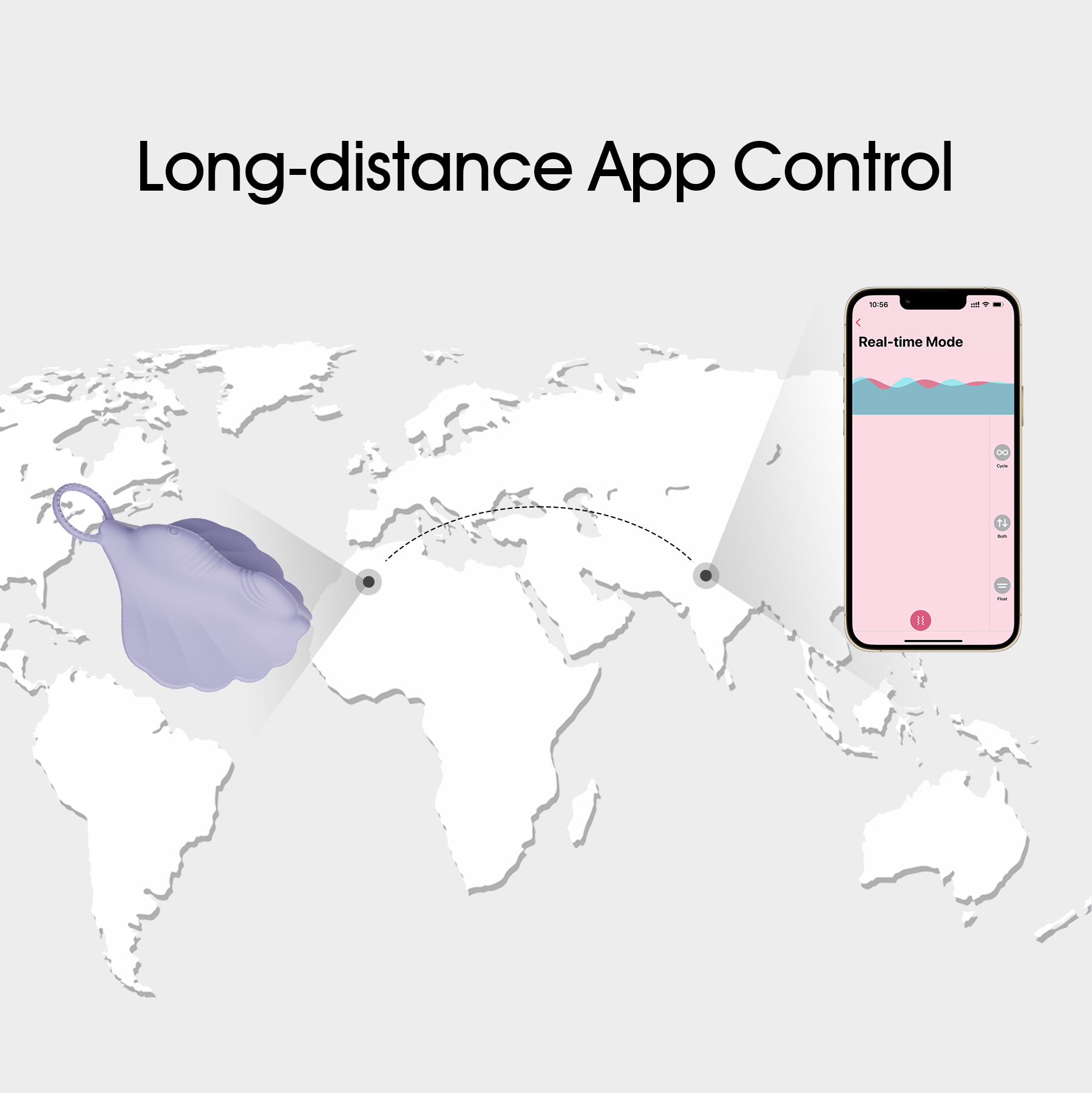
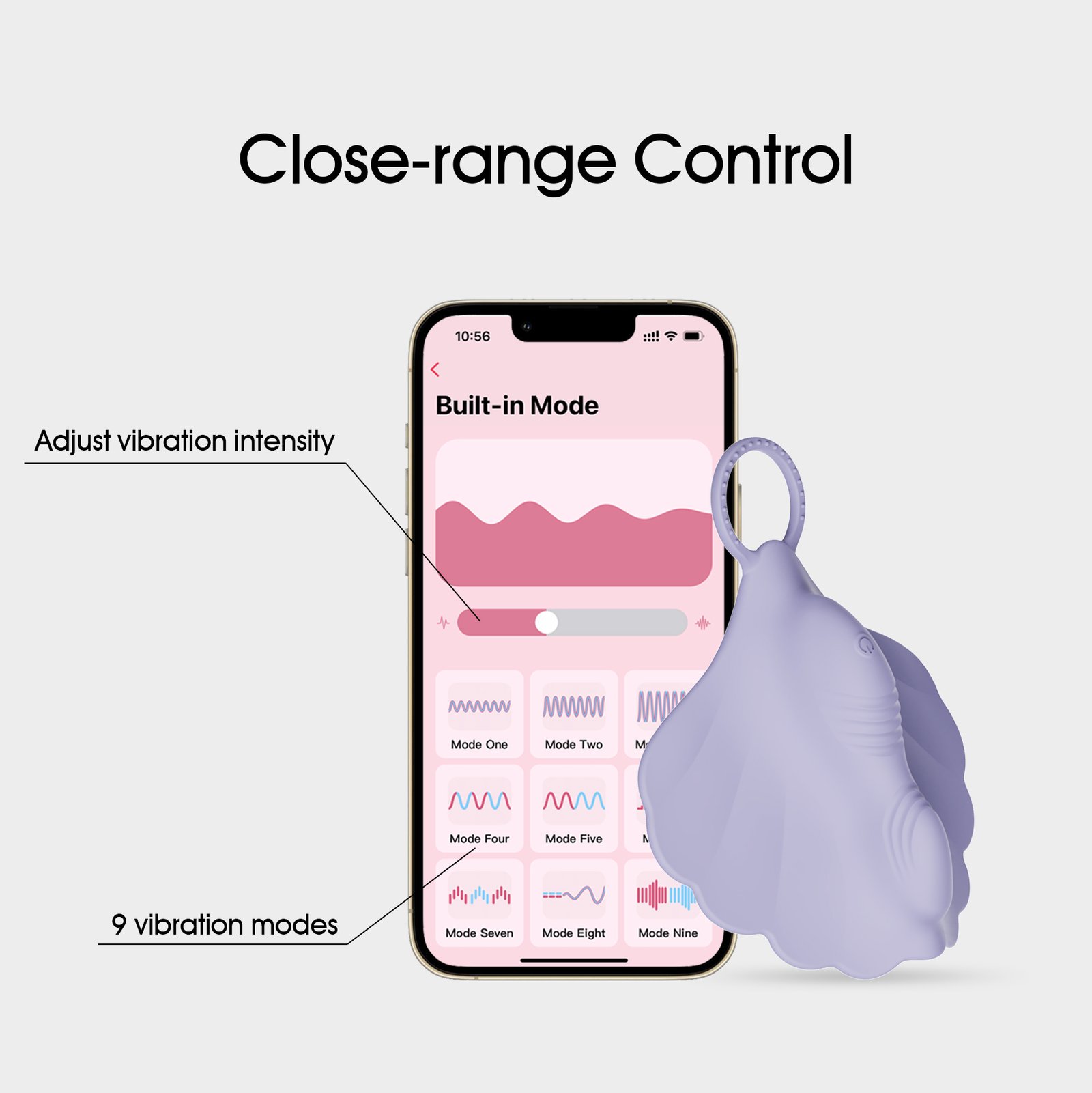
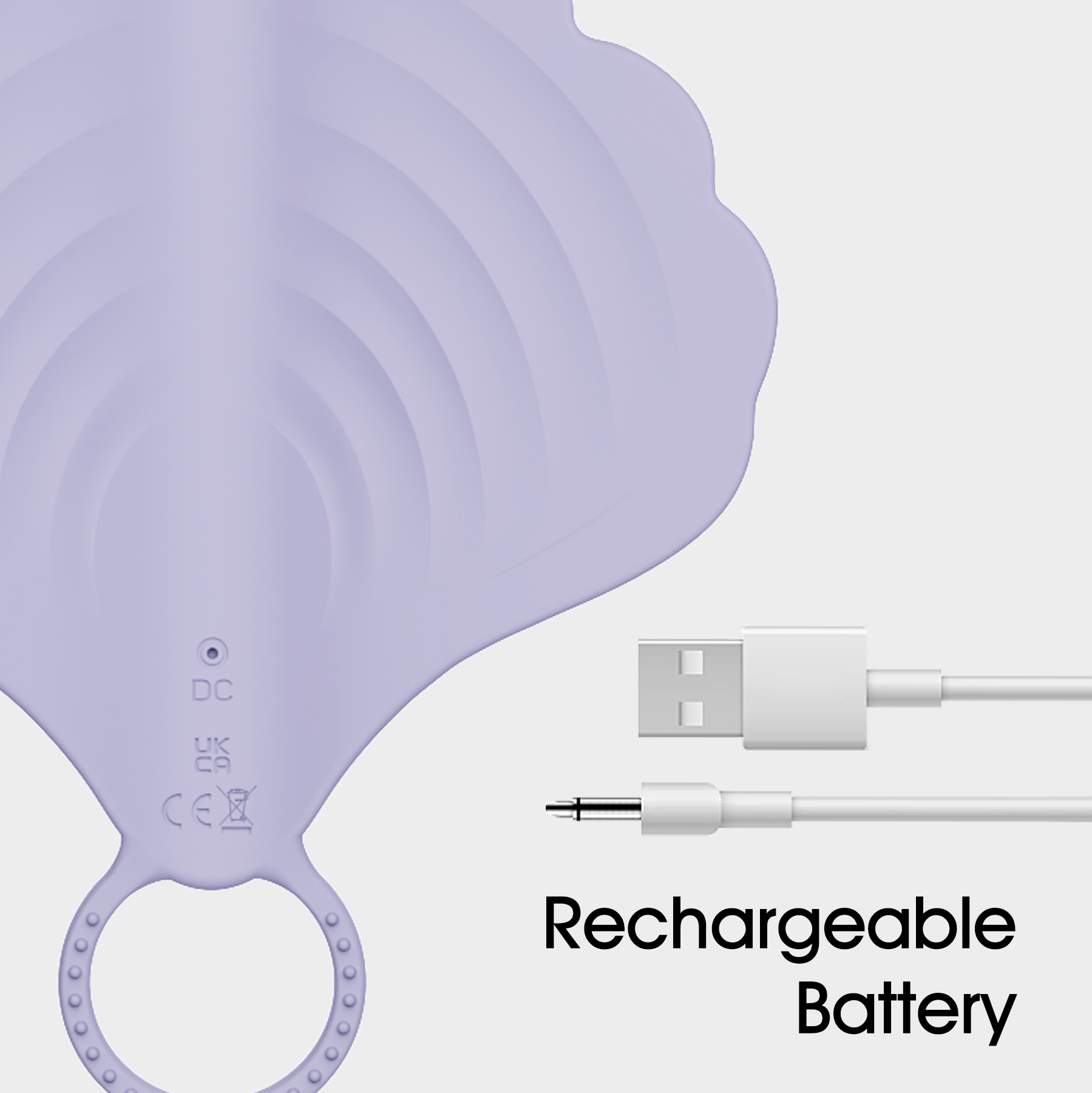
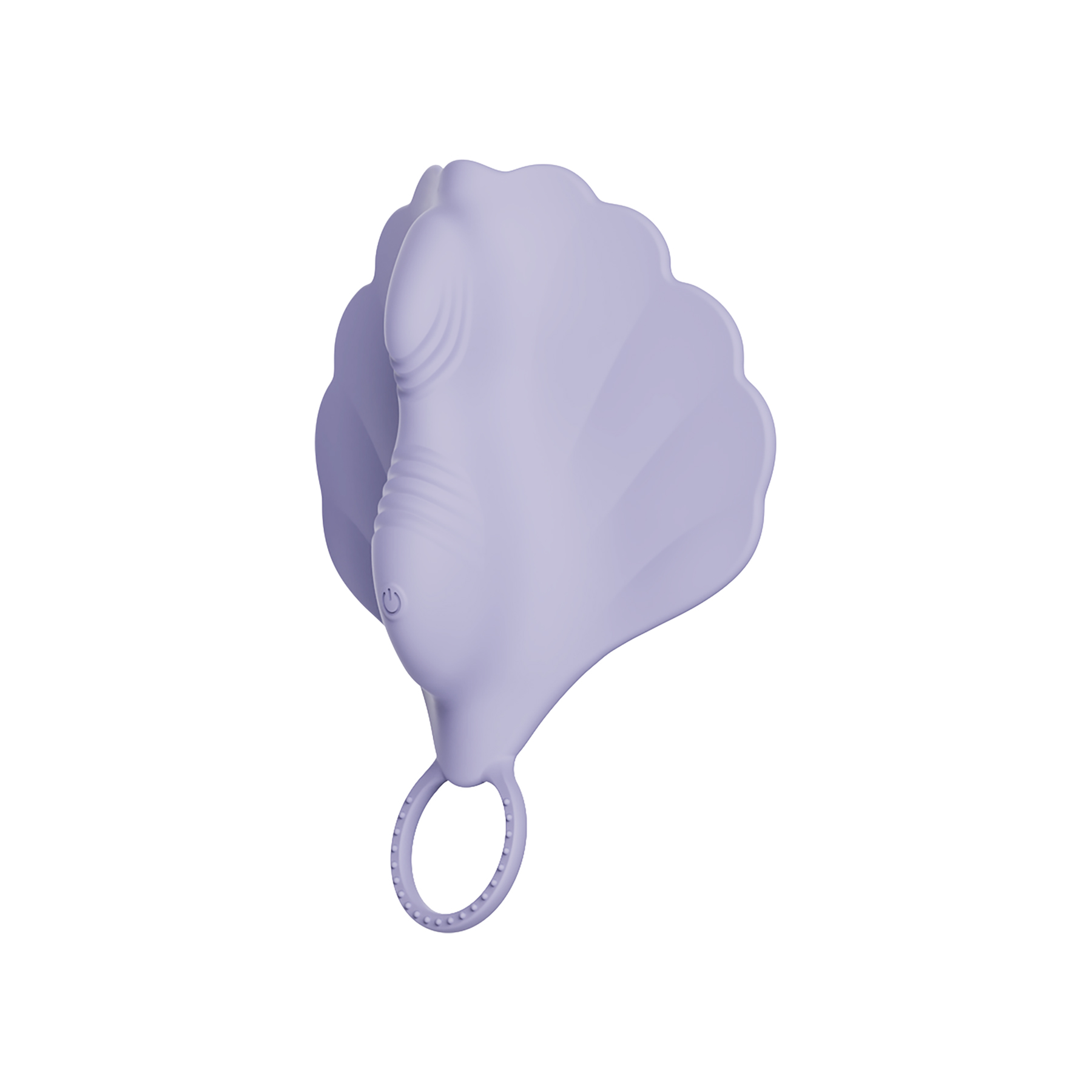
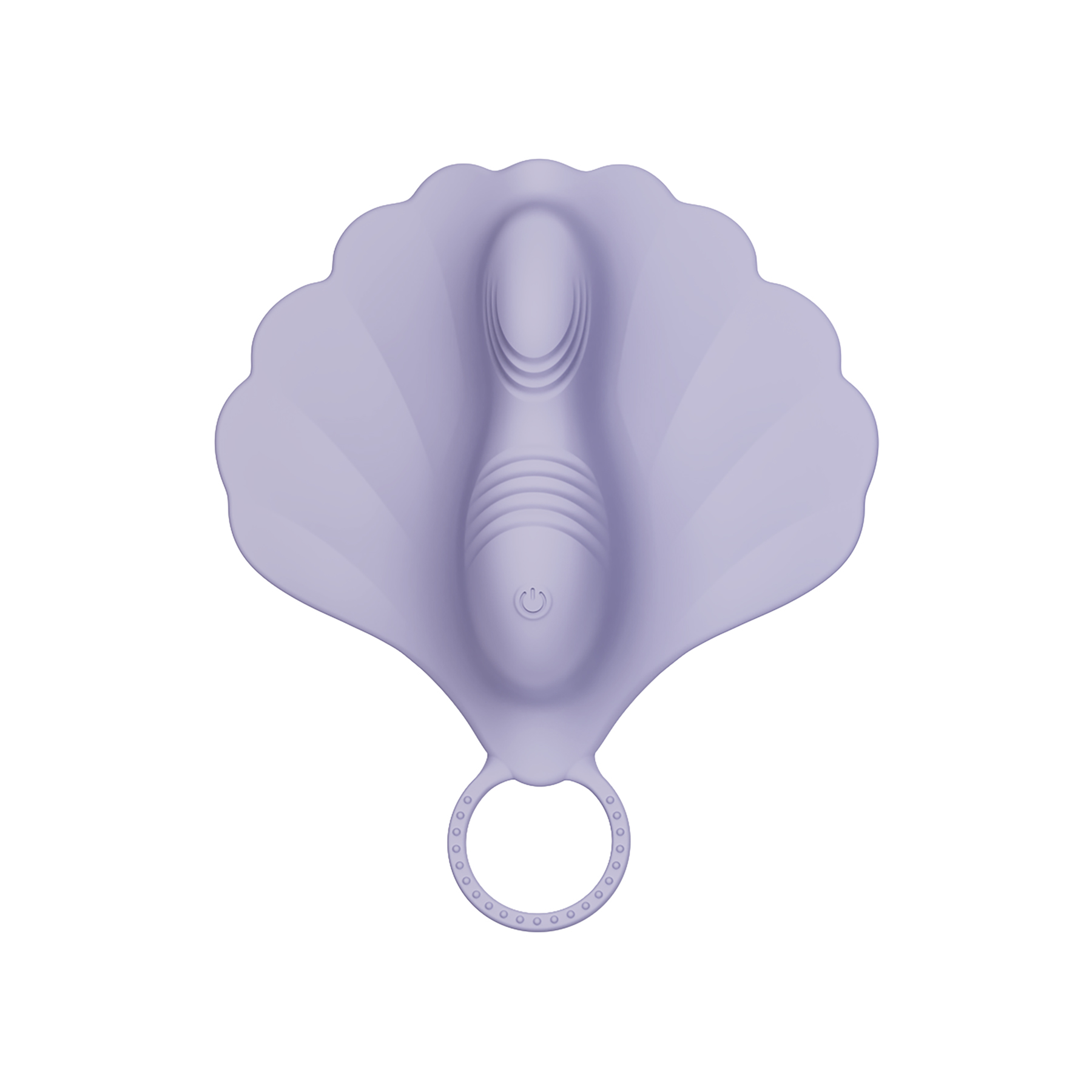
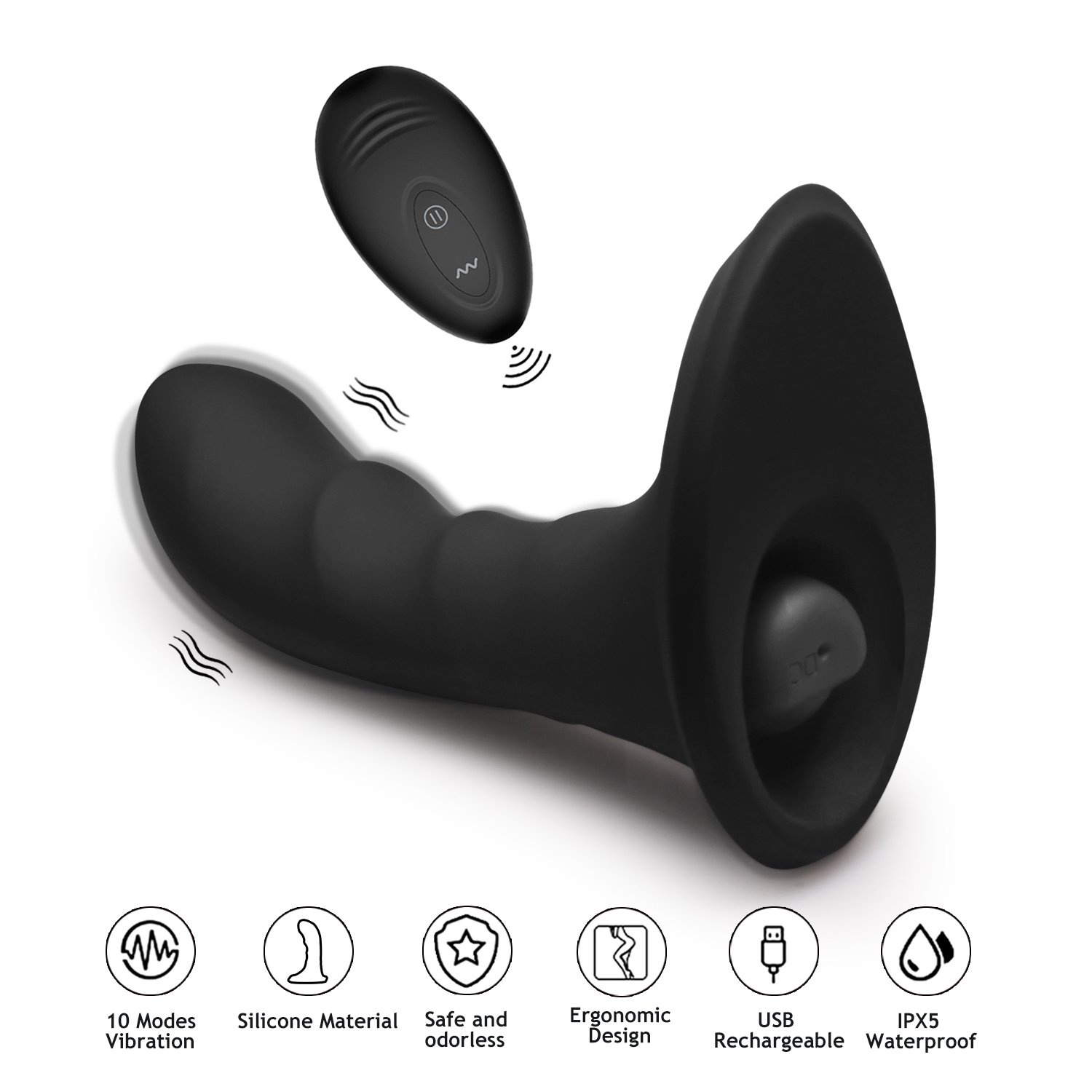
APP Rideable Vibrator, WINYI innovative Clit Stimulator Sex Adult Toys, WY0687 APP
Amazing soft material brings you more exciting experience. Both products and remote control are USB rechargeable.
99999 in stock
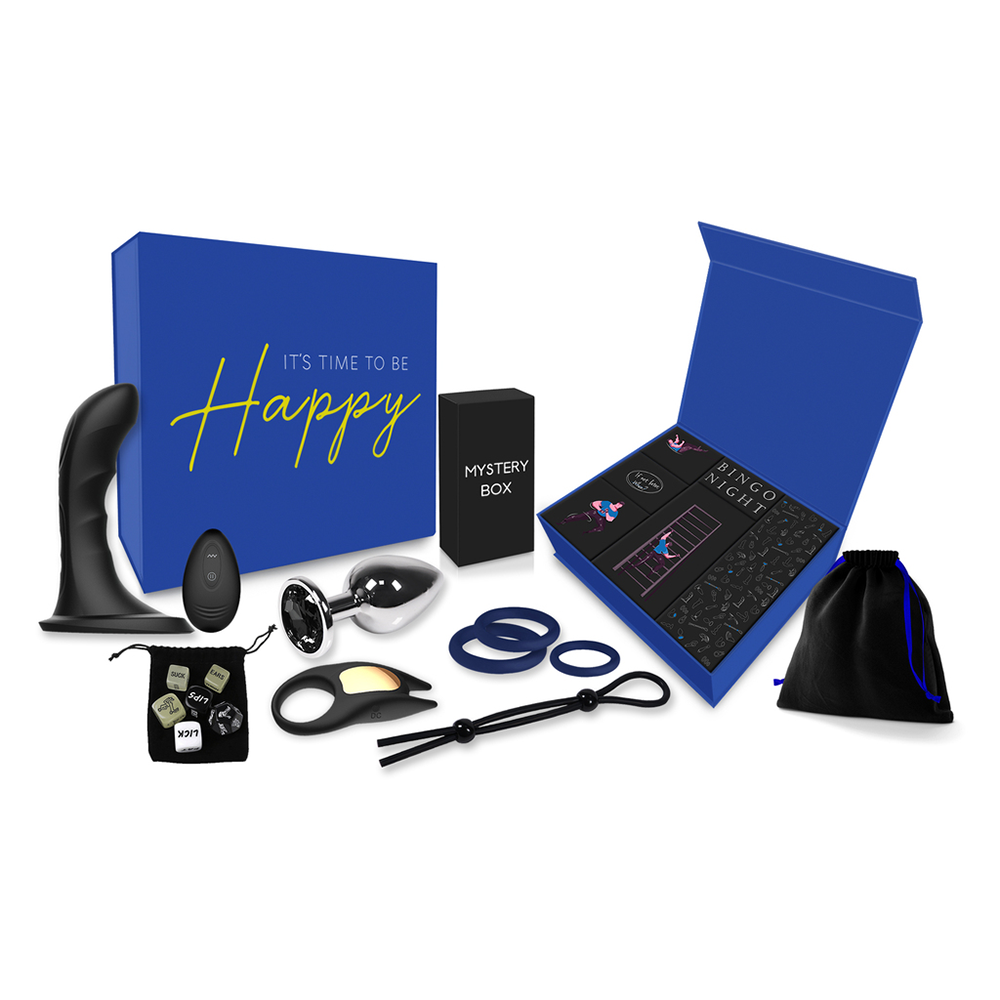
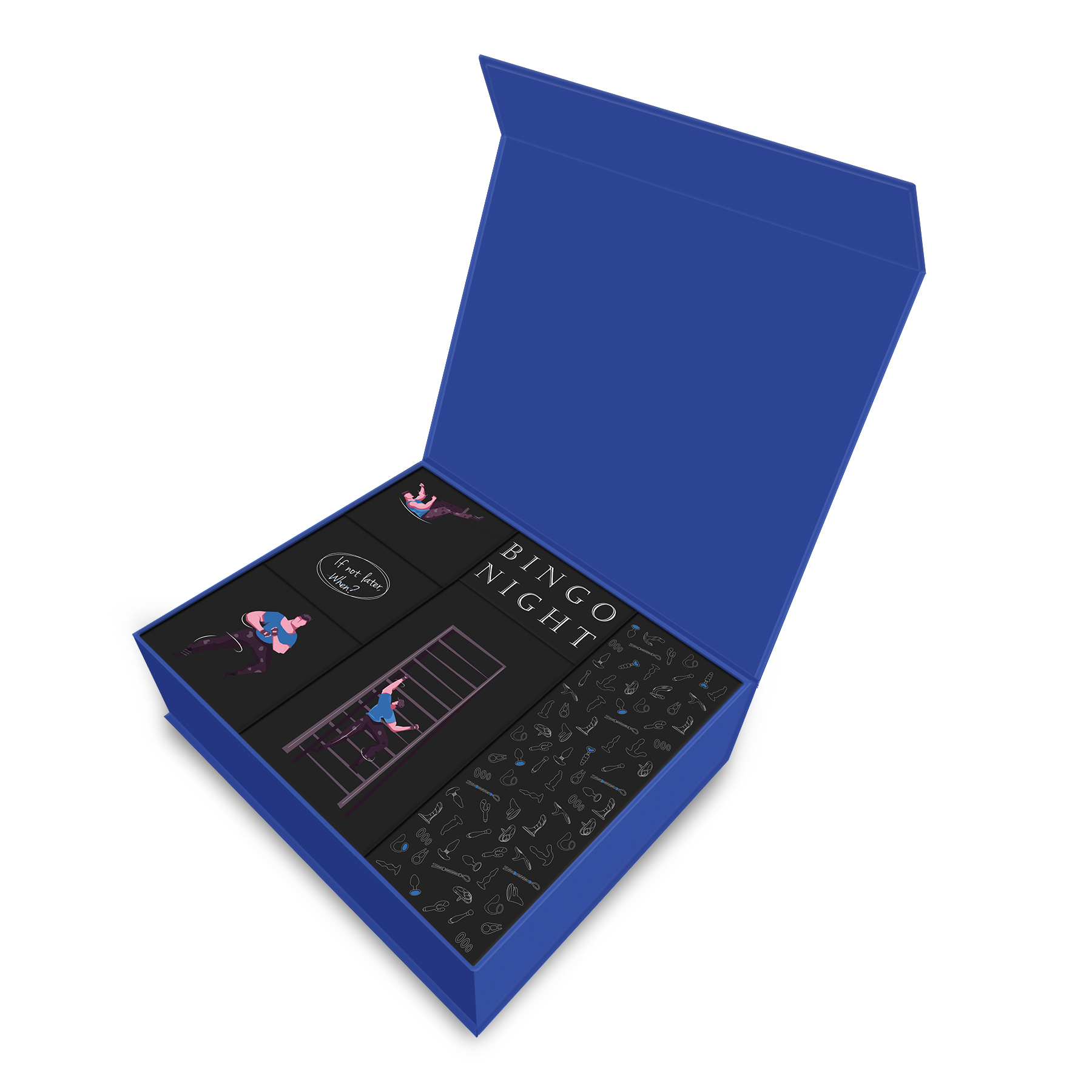

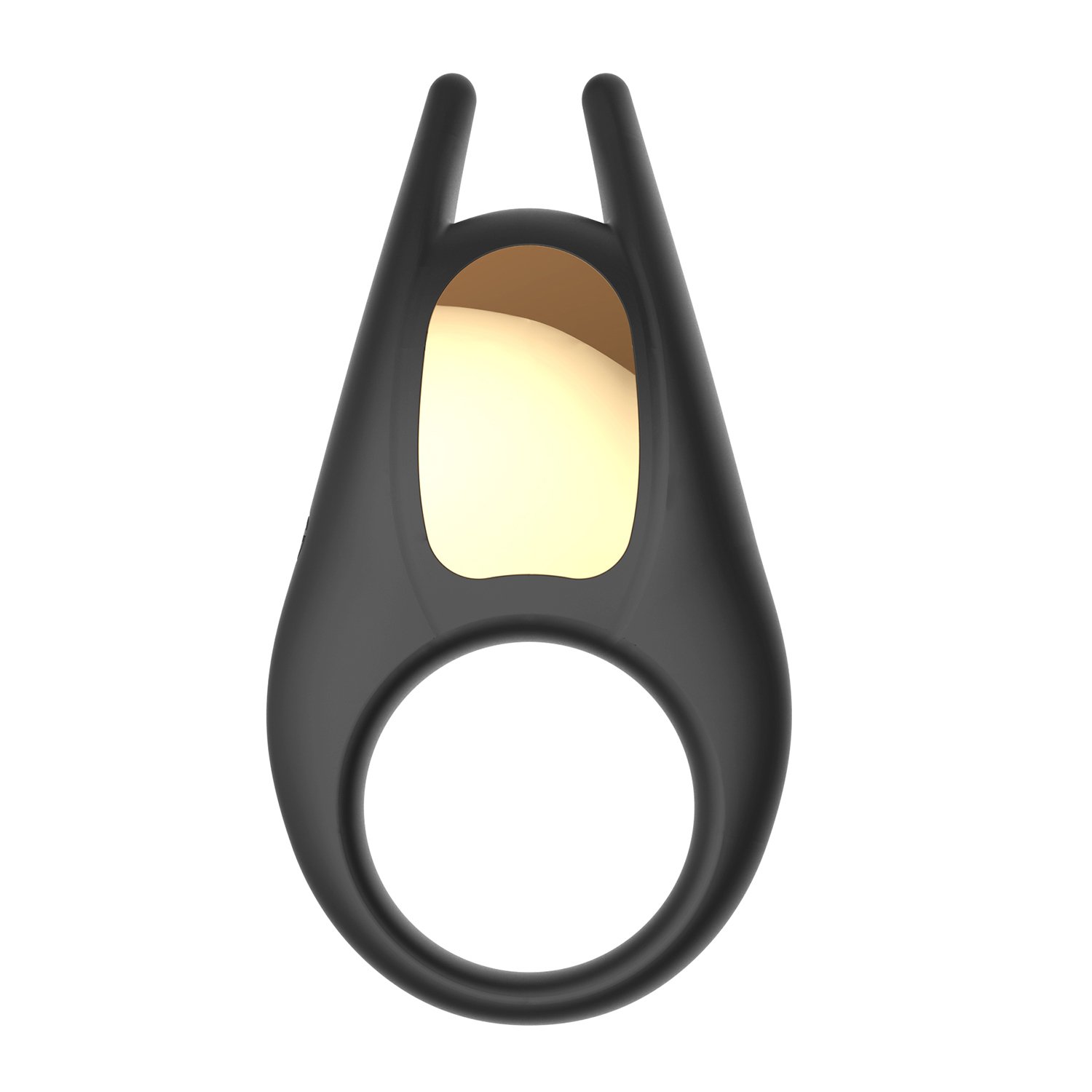
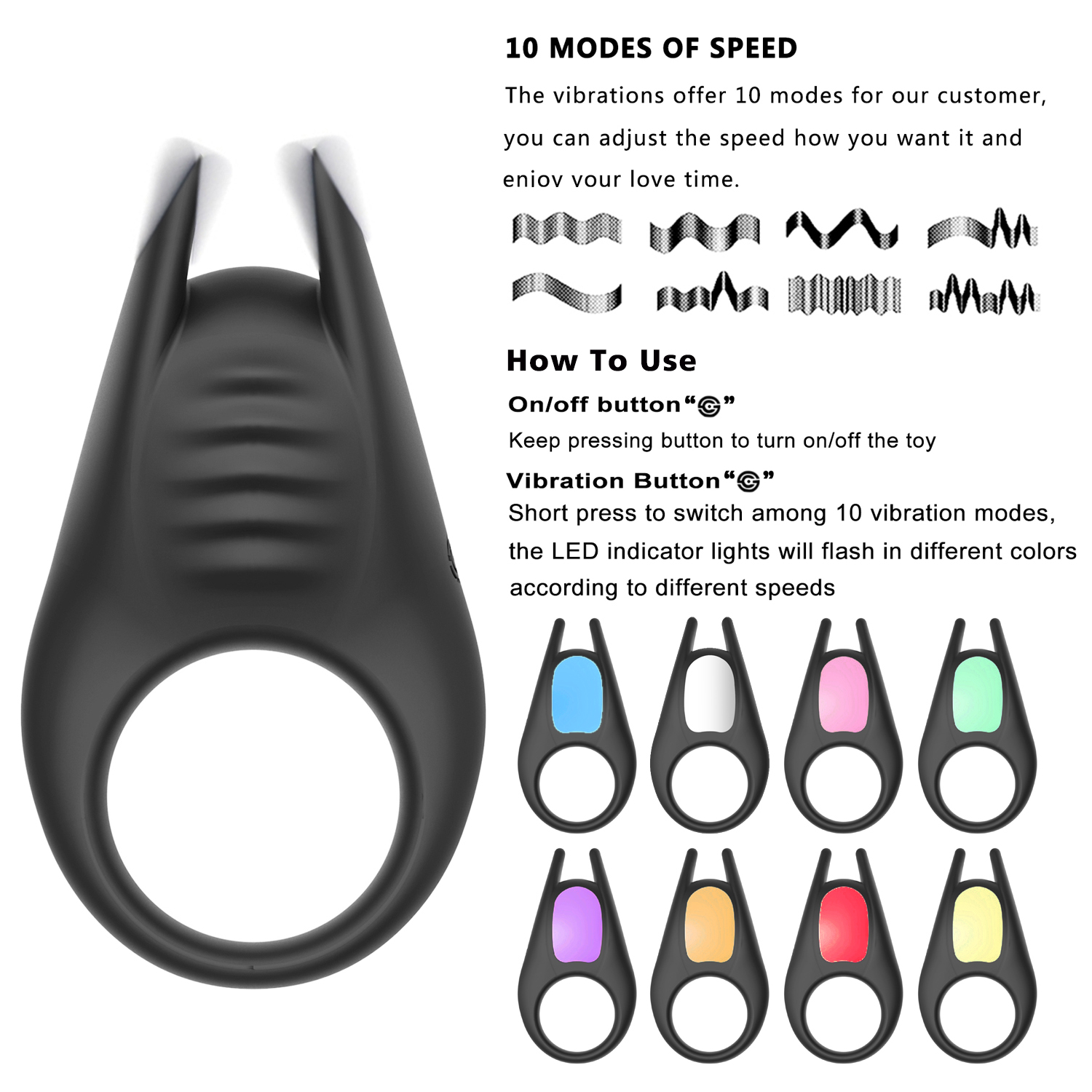
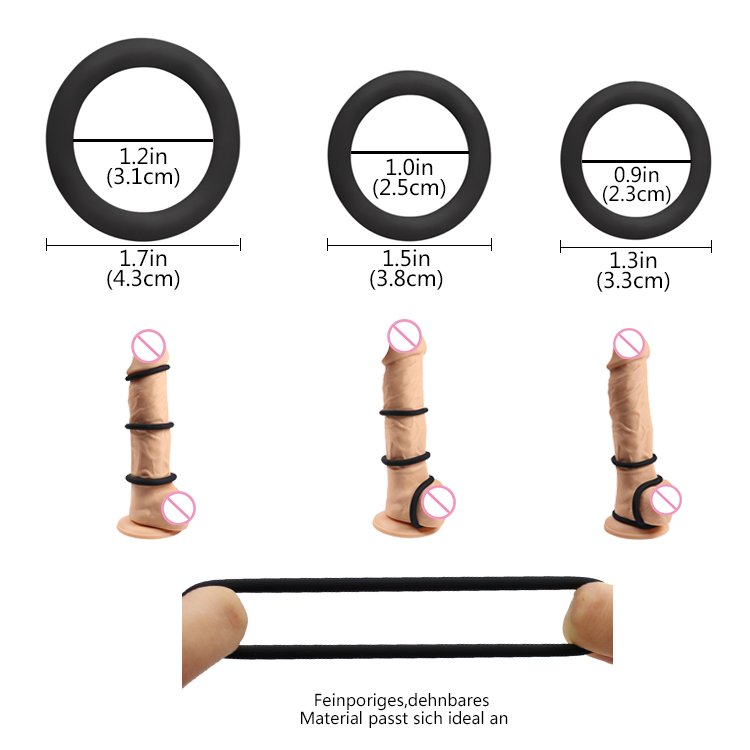
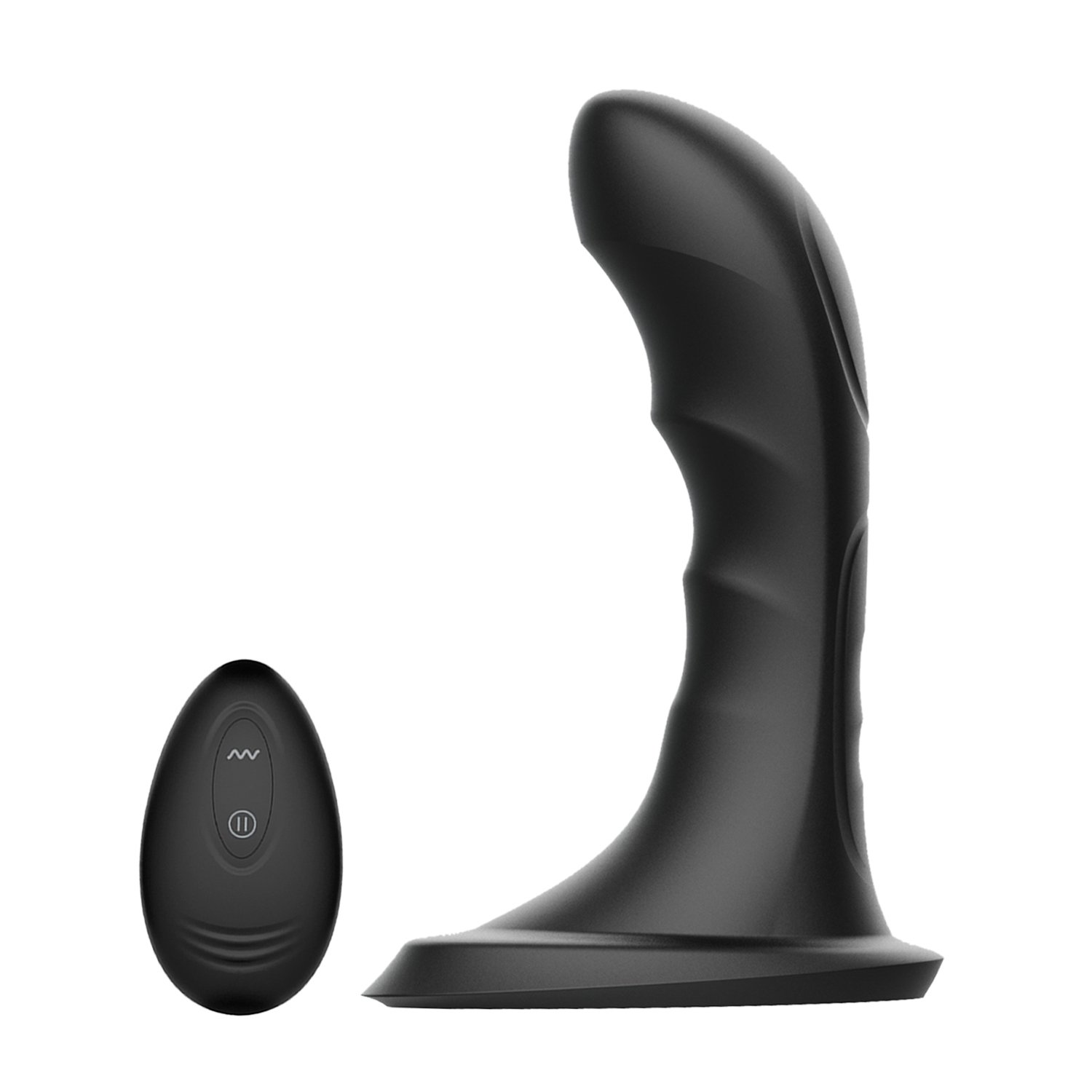
Call Me By Your Name Men’s Sex Toy Gift Set – HAPPY SET-1
HAPPY SET-1 combines WY0514, three WY0257 rings, WY0572 and WY0682 with adult dice, Bingo Night cards, a storage pouch and mystery box in a retail-ready blue gift package, with OEM/ODM options for branding, packaging and set customization.
100000 in stock
FAQ
What’s the difference between platinum-cure silicone and TPE for wellness products?
Platinum-cure silicone is body-safe, phthalate-free, non-porous, and durable, which is why premium brands specify it. TPE is cheaper and softer to source but more porous and harder to position as premium. Ask the supplier for the exact material and grade, not just u0022silicone.
What compliance reports are required for me if I want to sell silicone wellness products in the EU?
Ask for FDA and LFGB reports, REACH compliance, phthalate testing, and a material declaration. These can be requested by platforms, customs and retail partners – obtain up-to-date reports for your particular material.
Should I choose an existing mold or a custom mold?
An existing mold is faster and cheaper with a lower MOQ, which suits market testing and first launches. A custom mold costs more and takes longer but gives you a design nobody else has. Ask the supplier whether an existing mold is close to your reference before deciding.
How is OEM pricing usually structured?
By quantity tiers, commonly 500, 1,000, 3,000, and 5,000 pieces, with the unit price dropping as volume rises. Material grade, product weight, mold complexity, color, logo, packaging, testing, and incoterm all move the number, so send a complete brief for an accurate quote.
Do I need a sample before mass production?
Yes, and expect it to be paid. A pre-production sample is your last inexpensive chance to check the feel, color, logo, and packaging before thousands of units are made. Many suppliers credit the sample fee against your bulk order.
Should I ship FOB or DDP to Europe?
FOB suits brands with their own freight forwarder and gives better control. DDP is door-to-door with duties and customs handled by the supplier, which is simpler for newer brands. State your country and preferred term in your first inquiry.