

Your quoted unit cost for a thrusting vibrator depends on physical BOM items (drive mechanism, motor, battery, body material, packaging), conversion labor (assembly), and costs layered on top: nonrecurring project costs like tooling and NRE, batch-level quality costs, and logistics costs. This guide gives you the cost items, what drives each one, and a framework for comparing quotes on equal terms. It publishes no fixed prices, ranges, or sample calculation, since no verified factory data was available; treat it as a cost-factor checklist to run against your own supplier quotes.
In this guide
- Key Takeaways
- How This Framework Was Built
- BOM, Project Cost and Landed Cost
- How Volume, Yield and Specification Change Unit Cost
- Battery and Material Notes
- Tooling Ownership and Quality Control
- An Editable Quote-Comparison Sheet
- Verifying the Quote Before You Commit
- Send This for a Feasibility and RFQ Review
- FAQs
Key Takeaways
- Your final landed cost depends on specification, order quantity, tooling, certification/testing, packaging, Incoterm, destination, and shipping method, not on a single “unit price” figure.
- Costs fall into four mutually exclusive pools, not two: nonrecurring project cost, recurring factory unit cost (BOM plus assembly, packaging included), batch quality/compliance cost, and logistics/import cost. Put each cost in exactly one pool; adding packaging or freight twice double-counts it.
- Estimated landed unit cost = recurring factory unit cost + allocated quality/compliance cost + allocated logistics/import cost + allocated nonrecurring project cost. Every term is a placeholder, and none should already be counted inside another term.
- The drive mechanism is commonly a significant cost and complexity driver, though this varies by construction and should be confirmed against your supplier’s engineering, not assumed.
- EXW, FOB, CIF and DDP shift the cost-payment point and risk-transfer point differently, not always together; under CIF the seller pays freight to destination but risk still passes at origin, so no term guarantees total cost or full protection.
- A quote is only comparable to another when both use the same Incoterm, named location, specification revision, and scope of inclusions.
How This Framework Was Built
This framework reflects standard OEM production steps and cost categories for thrusting-mechanism products, built from general manufacturing and freight practice, not the factory’s proprietary quotation records, which weren’t available for this draft. Before publication, the factory should confirm every cost item and driver below against its own engineering and quotation history, and add real, anonymized figures where confidentiality allows.
BOM, Project Cost and Landed Cost
A physical BOM lists what goes into the product itself. Conversion cost (assembly labor) turns that BOM into a finished unit. Nonrecurring project cost is paid once regardless of volume. Landed cost is what it takes to get a compliant, cleared unit to your destination. Blending these, or counting an item in more than one pool, produces a quote you can’t compare to another supplier’s.
Packaging and assembly sit inside recurring factory unit cost; don’t add them again. Freight and duty sit inside logistics/import cost; don’t add them again if your unit price is already DDP-inclusive.
| Item | Pool | Timing | Included in factory quote? | Main cost drivers | Evidence to request |
|---|---|---|---|---|---|
| Engineering / NRE | Nonrecurring project | One-time | Sometimes, confirm | Design complexity, number of revisions | Itemized engineering hours or flat NRE fee |
| Prototype samples | Nonrecurring project | One-time | Sometimes, confirm | Sample count, iteration rounds | Sample cost and lead time per round |
| Tooling and mold | Nonrecurring project | One-time | Usually, but ownership varies | Cavity count, wall thickness precision, future-revision support | Ownership, payment timing, amortization basis, rebate terms |
| Certification and testing (initial qualification) | Nonrecurring project | One-time or per change | Sometimes, confirm | Target market, product configuration | Which standards, which lab, report scope |
| Drive mechanism, motor, battery, body material | Recurring factory unit cost (BOM) | Recurring | Yes | Design, spec tier, materials | Component specs and datasheets, not just a grade name |
| Assembly | Recurring factory unit cost (conversion) | Recurring | Yes | Step count, inspection points | QC sampling plan included in labor cost |
| Packaging | Recurring factory unit cost (BOM) | Recurring | Usually, confirm | Rigid vs. simple box, discretion features, labeling | What’s included vs. quoted separately |
| Lot inspection and testing | Quality/compliance | Recurring, per batch | Sometimes, confirm | Sampling depth, safety vs. cosmetic separation | AQL level, what’s sampled separately |
| Retesting after a spec change | Quality/compliance | Per event | Rarely | New market, new material, new electronics | Which tests repeat, at whose cost |
| Spare parts | Quality/compliance-adjacent | Recurring, optional | No, buyer-arranged | Warranty policy, expected failure rate | Spare-part allocation terms |
| Freight, insurance, duty, brokerage | Logistics/import | Recurring, variable | Depends on Incoterm | Weight, volume, route, Incoterm, destination | Incoterm, named location, who clears customs |
Every quote should state its Incoterms 2020 rule and a named place or port; a rule without a location isn’t usable. The point where cost is paid and where risk transfers aren’t always the same. Under a C-rule like CFR or CIF, the seller pays freight (and, for CIF, insurance) to the named destination, but risk passes to you earlier, when goods are loaded at the port of shipment; you carry risk during the leg the seller arranged and paid for. Under a D-rule like DAP or DDP, cost and risk both transfer at destination. Don’t read CIF or DDP as a guarantee of total cost or full protection; confirm the exact risk-transfer point and who clears export/import for the rule quoted.
How Volume, Yield and Specification Change Unit Cost
Volume
A larger order amortizes tooling and NRE further, per whatever commercial treatment you agreed (divide-by-quantity, amortization across releases, or a rebate), and can unlock better material pricing. It doesn’t change recurring costs like assembly labor at the same rate.
Yield
First-pass yield, final yield, rework rate, defect rate, and scrap rate are distinct measures, not interchangeable. A mechanism with tighter tolerances can carry a lower first-pass yield than a simple vibrating motor, though the gap varies by supplier and should be confirmed with real production data. Ask whether your quote already assumes a yield rate, and who bears rework cost, buyer-side changes, supplier defects, or approved tolerance limits.
Specification
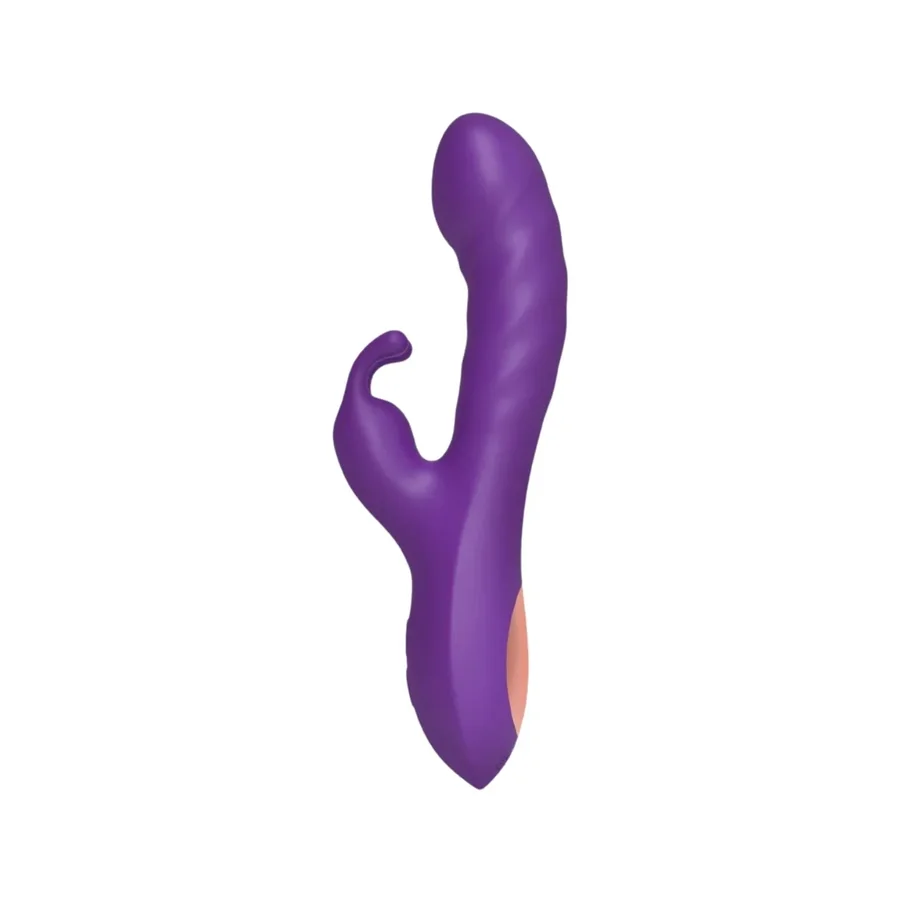
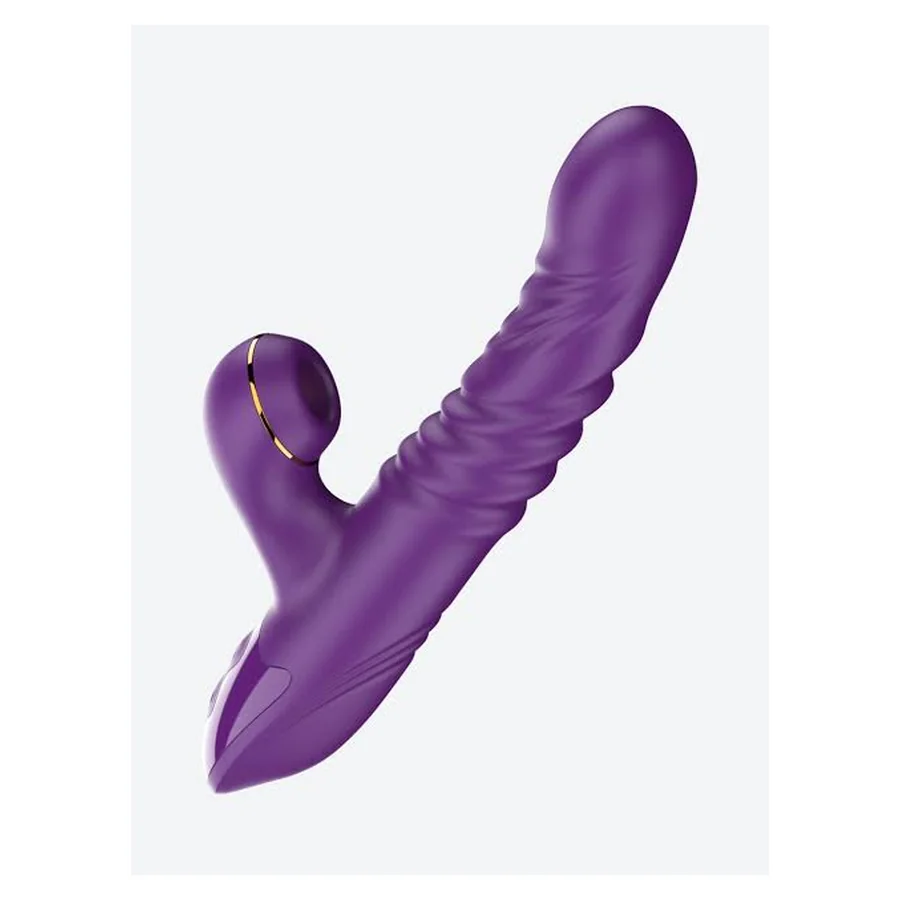
Stroke length, thrust force, waterproof target, noise target, runtime, battery capacity, materials, and control method should be defined before you compare prices; each can shift more than one cost item at once. A later spec change, after tooling has started, typically costs more than the same change requested at the brief stage. Construction also varies by design, so confirm the specific mechanism against your supplier’s actual engineering rather than assuming a category-wide standard.
Battery and Material Notes


For the motor, ask for rated voltage and current, speed, torque or load curve, efficiency, temperature rise, noise test conditions, and rated life, not just a “grade” or a single noise figure. For the battery, ask whether figures describe the cell or the finished pack, plus protection-circuit design, charging control, capacity tolerance, and the cycling protocol behind any cycle-life number; a “cycle rating” without defined test conditions can’t be compared across suppliers.
UN 38.3 lithium battery transport testing applies across air, sea, and road, not only air freight, referenced by the relevant modal regulation for each. It’s also not the only battery-related requirement; depending on your market, you may need battery safety, labeling, recycling and dangerous-goods documentation beyond UN 38.3 itself.
Silicone is common for body-contact surfaces here, but “silicone” alone isn’t a specification. Ask for the material grade and cure system, and distinguish the body-contact skin from any rigid housing, elastomer components, coatings, adhesives and colorants, since each carries its own cost and compliance profile.
Tooling Ownership and Quality Control


Tooling ownership terms should cover who owns the mold, where it’s stored, who maintains it, its useful life, who approves modifications, exclusivity, and the process to retrieve or transfer it if you switch suppliers.
QC coverage should extend beyond a generic “inspection point” count: incoming-material inspection, mechanism life or load testing, noise measurement, waterproof testing where claimed, charging and battery checks, cosmetic inspection, and packaging checks, each against an agreed sampling standard. A lower factory price isn’t automatically a lower total cost once weighed against returns, replacements, and warranty exposure.
An Editable Quote-Comparison Sheet
Compare two or more supplier quotes on equal terms using the items above, plus these commercial terms; note each line’s currency and the date you received it, since quotes reprice.
| Term | Supplier A | Supplier B | Notes |
|---|---|---|---|
| Quote date and validity | — | — | Quotes can expire or reprice |
| Currency and exchange-rate basis | — | — | — |
| Incoterm and named location | — | — | Must match to compare |
| MOQ and specification revision | — | — | Confirm which spec version was quoted |
| Lead time (sample and production) | — | — | — |
| Payment terms | — | — | — |
| Warranty terms | — | — | — |
| Testing included vs. excluded | — | — | — |
| Tooling ownership | — | — | — |
For an order-quantity comparison, request the same itemized quote at two or three quantity tiers so tooling-amortization and per-unit effects are visible side by side, rather than comparing one quantity in isolation.
Verifying the Quote Before You Commit
Confirm the drive mechanism spec by name rather than accepting “thrusting mechanism included.” Confirm tooling ownership and the transfer process before committing, since an unclear term can leave you dependent on one supplier after a poor first run. Confirm whether the quote includes first-article inspection and a defined QC sampling plan, since omitting this can make a quote look cheaper while shifting yield risk onto you.
Getting your RFQ right upstream avoids most of this: our guide to submitting an RFQ that gets an accurate quote covers the fields to include, and our sample approval checklist covers the QC and sign-off process this feeds into.
Send This for a Feasibility and RFQ Review
Provide target market and destination country, stroke length and thrust force, quantity plus a second quantity to compare, customization depth, and your market’s compliance documents, including battery transport documentation. Submit a feasibility and RFQ review and WINYI’s engineering and sales teams can return the factory-controlled quote inputs above, itemized where possible, along with any DFM questions and an estimated lead time. If sharing drawings or specifications, our privacy policy and our guide to protecting a new product idea cover confidentiality and when an NDA applies.
FAQs
What’s the difference between a BOM cost and a landed cost?
A BOM cost (drive mechanism, motor, battery, body material, packaging) plus assembly makes up your recurring factory unit cost. Landed cost adds what it takes to get that unit to your destination: nonrecurring project costs like tooling and NRE, batch-level testing, and logistics costs like freight, duty, insurance and brokerage. Keep these in separate pools; quoting them as one blended number, or counting an item like packaging or freight twice, hides which category is driving your price.
Why can’t two supplier quotes be compared directly?
Because Incoterm, named location, specification revision, and scope of inclusion can differ even when the final number looks similar. Under CIF, the seller pays freight and insurance to your destination, but risk still transfers at the port of shipment, not at delivery, so CIF isn’t a guarantee of full protection. A lower bundled price can simply reflect a different Incoterm or a smaller tooling allocation, not a genuinely lower recurring cost.
Does UN 38.3 only apply to air-freighted products?
No. UN 38.3 lithium battery transport testing applies across air, sea, and road transport, referenced by the relevant modal regulation for each. It’s also not the only battery requirement; check for additional safety, labeling, and producer-responsibility documentation your market requires.
What should a supplier’s quote include to be usable?
Every item above, itemized rather than bundled, plus quote date and validity, currency, Incoterm and named location, MOQ against a stated spec revision, lead time, payment terms, warranty terms, and what testing is included. Missing any of these makes two quotes impossible to compare fairly.