

Silicone vs TPE is not a simple question of which material is universally better. Choose silicone when your product needs premium positioning, long service life, stable surface performance, and a material story supported by product-specific evidence. Choose TPE when the range needs a softer, more yielding feel at a lower price point. Many brands use both across different SKUs, functions, and price bands.
The final choice still depends on the exact commercial grade, product geometry, wall thickness, molding method, finish, claims, target market, and validation plan. A material-family name cannot replace finished-part testing. For product managers and importers, the useful question is: which material, grade, and construction best fit this SKU and its customer?
| Decision area | Silicone | TPE |
|---|---|---|
| Typical positioning | Premium, durable, long-life product lines | Accessible, soft-feel, high-turnover products |
| Surface and cleanability | Depend on grade, cure, construction, and finish | Depend on formulation, oil package, construction, and finish |
| Hardness range | Multiple Shore A and very-soft options | Multiple Shore A and very-soft options |
| Cost tendency | Usually higher, depending on grade and processing | Usually lower, depending on formulation and cycle |
| Evidence needed | Grade, finished-part tests, traceability, and change control | The same, with close attention to formulation consistency |
Silicone vs TPE Is Not a “Which Is Better?” Question
Consumer guides often ask which material a shopper should buy. A brand or product manager has a different job: specify the right material for a product architecture, target user, price point, and sales claim. A mismatch can appear in complaints, returns, odor, tack, tears, discoloration, or inconsistent feel before it appears in a sourcing spreadsheet.
One product line can use silicone for a premium vibrator, TPE for a softer masturbator insert, and a rigid engineering plastic for an internal shell. The important control is that every material and interface is intentionally selected, documented, tested, and linked to the approved SKU.

How Surface Properties Affect Cleaning and Product Life
Silicone and TPE both vary in how they resist liquid, oil, odor, and surface contamination. Performance depends on formulation, structure, finish, and processing—not only on the material family. Silicone grades vary in cure system, fillers, hardness, tear strength, and compression set. TPE formulations vary in polymer blend, oil or plasticizer package, hardness, tack, and migration behavior.
Ask for absorption, extractables, oil migration, odor, and cleanability evidence on the exact grade and finished part. A raw-material data sheet describes a supplier’s test specimen; it does not automatically predict the performance of your molded product, its seams, overmold interfaces, internal electronics, or surface coating.
Finished-Part Evidence Matters More Than General Claims
A supplier may describe a material as nonporous, hygienic, medical grade, body safe, or hypoallergenic. Treat each phrase as a claim that requires a defined test basis and product-specific evidence. The finished product, colorant, additives, surface condition, and production process can all affect the result.
Feel, Hardness, Geometry, and Wall Thickness
TPE has a well-earned reputation for a soft and yielding feel. That is one reason brands keep it in their line despite possible durability tradeoffs. Silicone, however, is not automatically firmer. Both families are available in multiple hardness levels, and very soft grades may be measured on Shore OO or Shore 00 rather than Shore A.
Ask the supplier to state the hardness test method, scale, specimen thickness, conditioning, and measurement time. Numbers measured on different scales or under different conditions cannot be directly compared. A Shore reading also does not predict finished feel by itself: geometry, wall thickness, hollow sections, ribs, texture, and internal support influence deflection just as much as material hardness.
Compare matched samples whenever possible. Use the same geometry and wall thickness, then add a controlled deflection or force test and a structured evaluation panel. Comparing a soft solid TPE sample with a thin-wall hollow silicone sample does not isolate the material difference. Our silicone material selection guide explains how grade and structure interact.
Selection Criteria Beyond Softness
| Criterion | Why it matters | How to verify |
|---|---|---|
| Tensile and elongation | Stretch behavior and failure risk | Grade data plus finished-part testing |
| Tear strength | Performance near thin walls, textures, and openings | Matched method and specimen geometry |
| Compression set | Recovery after sustained deformation | Conditioned test at stated time and temperature |
| Surface tack and migration | Handling, storage, odor, and long-term feel | Aging and contact-material testing |
| Color stability | Batch consistency and shelf presentation | Approved standard plus aging and migration review |
| Bonding and insert retention | Overmold integrity and waterproof construction | Peel, pull, torque, or retention test |
Production factors also influence the decision: molding method, bonding behavior, cycle time, achievable tolerance, tooling cost, reject rate, product weight, MOQ, and finishing steps. Thin walls, deep textures, moving joints, suction bases, and a shell around an encapsulated motor create different requirements.
Verify the Material You Are Actually Buying
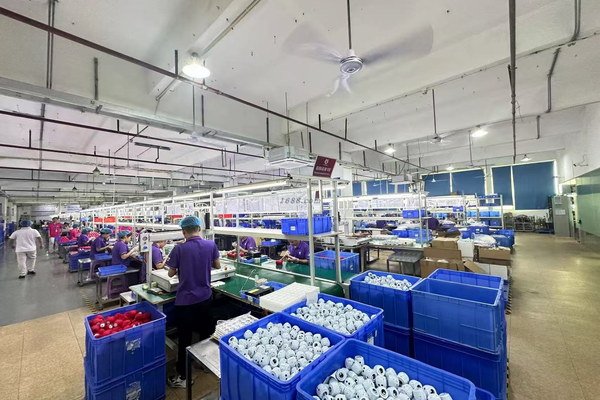
Suppliers may protect a proprietary formulation, so you should not expect a complete recipe. You can still request the commercial grade name, polymer family, technical data sheet, safety data sheet, restricted-substance declaration, colorant and additive declaration, and a traceable test report.
A report only helps when it matches the material grade, color, finished SKU, target market, and relevant production period. A generic raw-material report does not cover substitutions, color packages, coatings, bonding agents, or finished-product construction.
Incoming Inspection and Batch Traceability
Ask how incoming material is identified and inspected, how supplier lots are recorded, and how production batches connect to molded parts and finished products. TPE can vary significantly between formulations and suppliers, which makes incoming control particularly important. Silicone also requires controlled grade, mix, pigment, cure, and lot records.
Written Change Control
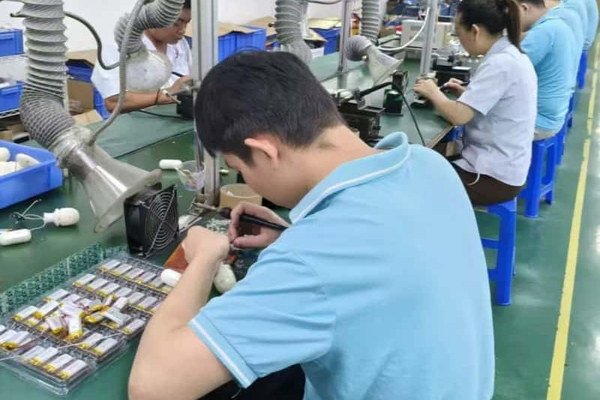
Require written approval before the factory changes the resin or silicone grade, oil or additive package, colorant, supplier, processing method, coating, adhesive, bonding treatment, or recycled content. A signed golden sample cannot protect your brand if the underlying material system changes without notice.

Cleaning, Lubricants, and Long-Term Wear
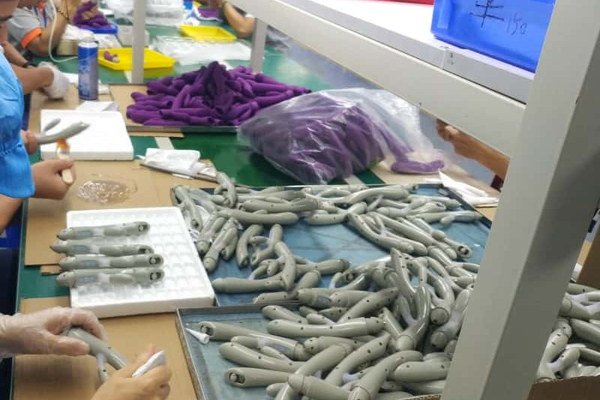
Cleaning instructions should follow the finished product’s construction, electronics, surface condition, waterproof qualification, and validated care method. Avoid the word “sanitize” unless you can support the exact process. Boiling, bleach, dishwasher cycles, and other heat or chemical exposure are not suitable for every silicone product and are even less appropriate as generic TPE advice.
Lubricant compatibility requires a defined protocol. Test the finished product against the water-based, silicone-based, or oil-based lubricants customers are likely to use. State the brand and type, amount, temperature, duration, number of cycles, and cleaning step between exposures. Establish pass or fail limits for mass change, swelling, tack, color, odor, cracking, surface damage, and function.
Monitor the same degradation signs in both material families: tears, tackiness, cracks, odor change, oil bleed, color transfer, deformation, or loss of function. The rate depends on the exact formulation, construction, use, cleaning, and storage—not the label “silicone” or “TPE” alone.
Testing the Finished Product
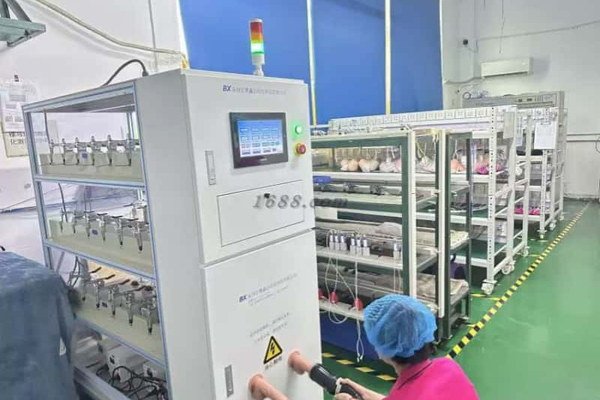
Material approval is only one stage. A finished product can fail because of a thin wall, sharp insert edge, poor bond, weak seal, incorrect charging interface, or unsuitable coating even when the raw material meets its data sheet. Build a validation matrix around the real design.
- Appearance, color, odor, tack, and surface consistency.
- Hardness or deflection under a controlled method.
- Tear, pull, torque, compression, or retention at critical features.
- Charging, battery, function, noise, and control response.
- Waterproof qualification and production leak checks where claimed.
- Lubricant, cleaning, aging, storage, and packaging-contact compatibility.


What Actually Drives Silicone vs TPE Cost?
TPE is usually the lower-cost option, but material name alone does not determine the quotation. Grade, tooling, molding method, cycle time, product weight, scrap rate, surface finishing, bonding, inspection, packaging, MOQ, and order volume can all narrow or widen the gap.
A complex TPE product with slow cycles, high reject rates, and difficult bonding can cost more than expected. A well-designed silicone SKU at stable volume may be commercially efficient even when the raw material is more expensive. Ask for a breakdown that separates material, processing, components, finishing, packaging, and one-time tooling.
Choose Silicone When / Choose TPE When
Choose Silicone When
Select silicone when the product is positioned as premium or long-life, hygiene expectations are high, the design uses fine surface detail, or the brand makes durability and material claims that it can support with evidence. Confirm the exact grade, cure, pigment, and finished-part performance.
Choose TPE When
Select TPE when price leads the positioning, high turnover is expected, or a very soft and yielding feel is the core product benefit. Use a consistent supplier and verify migration, tack, odor, tear behavior, cleanability, and storage compatibility on the chosen formulation.
Every comparison is a starting point for verification, not a guaranteed ranking. Tear resistance, surface performance, detail retention, and cleanability all depend on the grade, specimen, and test method.
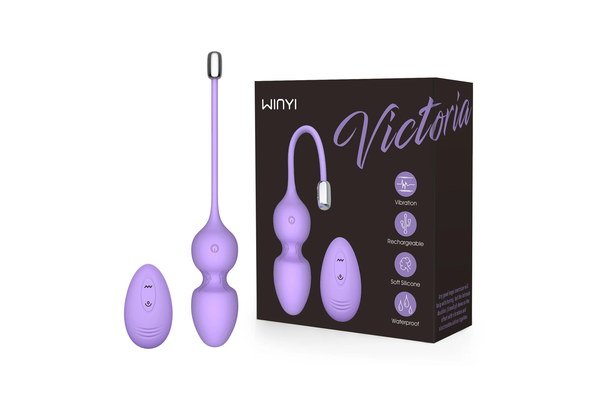


What to Request From Your Factory
| Document or sample | Purpose | Key match point |
|---|---|---|
| Technical data sheet | Baseline physical and processing data | Exact commercial grade |
| Safety data sheet | Material handling and hazard information | Supplier and grade |
| Restricted-substance declaration | Market and retailer chemical review | Substances, limits, and market |
| Colorant and additive declaration | Control of the complete formulation package | Approved color and additive system |
| Finished-part test report | Evidence for the molded SKU | Model, color, sample, and test date |
| Signed golden sample | Production reference for appearance and feel | Traceable lot and version |
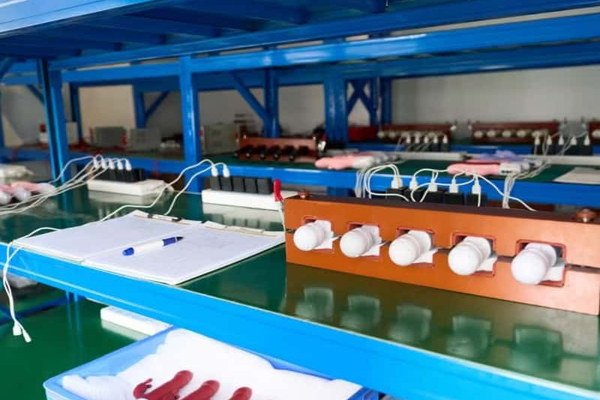
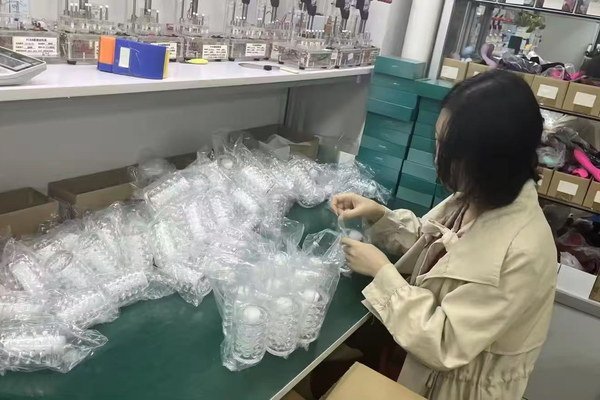
Define the pilot-run acceptance plan before mass production and keep a retained sample from the approved lot. Retained samples help investigate batch drift, color or odor complaints, surface changes, and supplier substitutions. See our testing and QC laboratory for examples of equipment behind in-house verification.
Compliance Depends on Product and Target Market
Requirements depend on the destination market, material system, electronics, battery, marketing claims, and intended use. ISO 3533:2021 covers manufactured sex toys intended for direct genital or anal contact within its stated scope. It is not a material approval or a universal legal certificate, and it does not automatically apply to products classified as medical devices, cosmetics, or assistive products.
For EU sales, review applicable REACH restrictions, GPSR risk assessment, technical documentation, traceability, warnings, and responsible-person obligations. If you reference phthalates, name the substances tested, limits, method, sample, and market. Avoid unsupported “EU approved,” “body safe,” “medical grade,” “hypoallergenic,” “non-toxic,” or “FDA approved” claims.
Use our sex toy certification overview as a starting checklist and confirm the exact requirements with a qualified compliance professional for the product and market.
Packaging and Material Compatibility
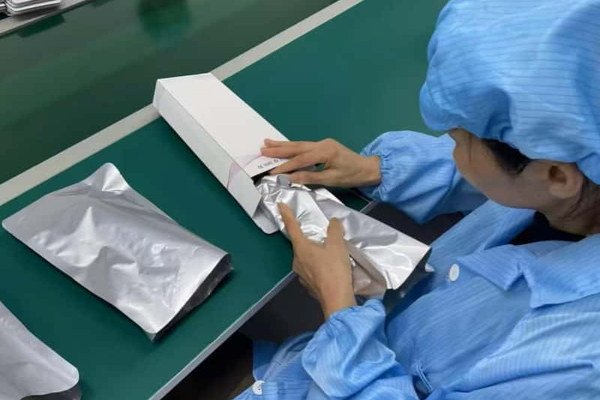
Packaging can influence material performance during storage. Printed surfaces, films, foams, inserts, coatings, adhesives, and nearby products may transfer color, odor, oil, or plasticizer. Validate the product inside the real approved packaging under expected time and temperature conditions.
Approve the finished packaging, inserts, care instructions, warnings, barcode, and required languages together with the product. The care instructions should reflect the actual material and construction rather than a generic rule copied across every SKU.


Get Material Recommendations for Your Product Line
Share your product type, geometry, target market, expected price point, hardness preference, quantity, cleaning and lubricant expectations, packaging concept, and compliance needs. WINYI can recommend suitable silicone or TPE options, produce matched samples, and confirm a validation plan before production.
Explore our OEM and ODM development services, review the adult toy product range, or send your product brief for a material and feasibility review.
Request a Silicone or TPE Material Review
FAQs About Silicone vs TPE
Which material is easier to keep hygienic?
It depends on the grade, finish, construction, cleaning method, and storage. Properly cured silicone often performs well, but general material names cannot replace finished-product validation.
Is TPE unsafe for adult products?
Not inherently. TPE performance varies by formulation and supplier, so request the commercial grade, technical data sheet, declarations, and reports matched to the exact SKU.
Is silicone always firmer than TPE?
No. Both families offer multiple hardness levels. Geometry, wall thickness, hollow sections, and internal support can change finished feel as much as the Shore value.
What documents should I request before material approval?
Request a TDS, SDS, restricted-substance declaration, additive and colorant information, and finished-part evidence connected to the grade, color, SKU, and market.
How can I check TPE consistency between orders?
Audit incoming inspection, supplier-lot traceability, retained samples, acceptance limits, and change control. Consistency is a managed process, not something the TPE name guarantees.
Should we test lubricant compatibility ourselves?
Yes. Test the finished product against the specific lubricants customers are likely to use and define exposure, cleaning, aging, and pass or fail limits in advance.
Can silicone and TPE be used in the same product line?
Yes. Many brands use silicone for premium or durable SKUs and TPE for softer, value-positioned products. Control the evidence and care instructions for each SKU separately.
Which material normally costs less?
TPE usually has a lower material cost, but tooling, cycle time, weight, rejects, finishing, bonding, packaging, and order volume determine the final quotation.
How should we approve a production sample?
Compare it with a signed golden sample for color, hardness or deflection, surface, odor, geometry, function, packaging, and traceable lot information.
Does choosing silicone automatically make a product compliant?
No. Compliance depends on the finished product, evidence, electronics, battery, claims, and market. Material choice is only one input to the full assessment.
Material and compliance requirements vary by grade, design, claim, and destination market. This guide is general information and does not replace advice from a qualified testing, legal, or compliance professional.