

You won’t find a single winner across Lovense, We-Vibe, and Satisfyer, because they’re not really competing for the same buyer. You’ll get the most long-distance features and the widest product range from Lovense. You’ll get the best build quality and couples-specific design from We-Vibe. You’ll pay the least and get the broadest catalog from Satisfyer, one that goes well beyond vibrators into almost every toy category that exists. Which one is “best” depends entirely on which of those three things you actually care about.
Quick answer:
Lovense is the strongest pick for long-distance and overall app depth, We-Vibe for couples-focused build quality, and Satisfyer for budget pricing and broadest catalog. The right choice depends on which of those three trade-offs you actually care about.
How We Compared These Three Brands
Disclosure: WINYI is a manufacturer of app-controlled toys, and you’re reading this comparison from that vantage point, not an independent lab test. We compared Lovense, We-Vibe, and Satisfyer across five things: documented app features pulled from each brand’s own site rather than user reviews, typical retail pricing checked directly on each brand’s own listings, catalog size and specialization, connection type, and how their pricing stacks up against WINYI’s own app-controlled line. None of these three brands’ toys were purchased or hands-on tested for this piece, and we’ve said so wherever a claim needs a source beyond the brand’s own page.
The Big Picture
Here’s the snapshot before we get into the details. Values reflect what each brand documents on its own site.
| Brand | Known for | App | Typical price | Catalog size |
|---|---|---|---|---|
| Lovense | Long-distance control, custom patterns | Lovense Remote | $89–$180 | 20+ products |
| We-Vibe | Couples design, quiet motors | We-Connect | $85–$230 | ~15 products |
| Satisfyer | Air-pulse tech, budget pricing | Satisfyer Connect | $30–$80 | 100+ products |
Scope note: prices reflect retail ranges we checked directly on each brand’s own site in September 2026, in USD. Sale pricing, bundles, and regional retailers can push these numbers in either direction, so treat them as a starting point for comparison, not the exact price you’ll see at checkout.
App Comparison: Which One Actually Works Better?
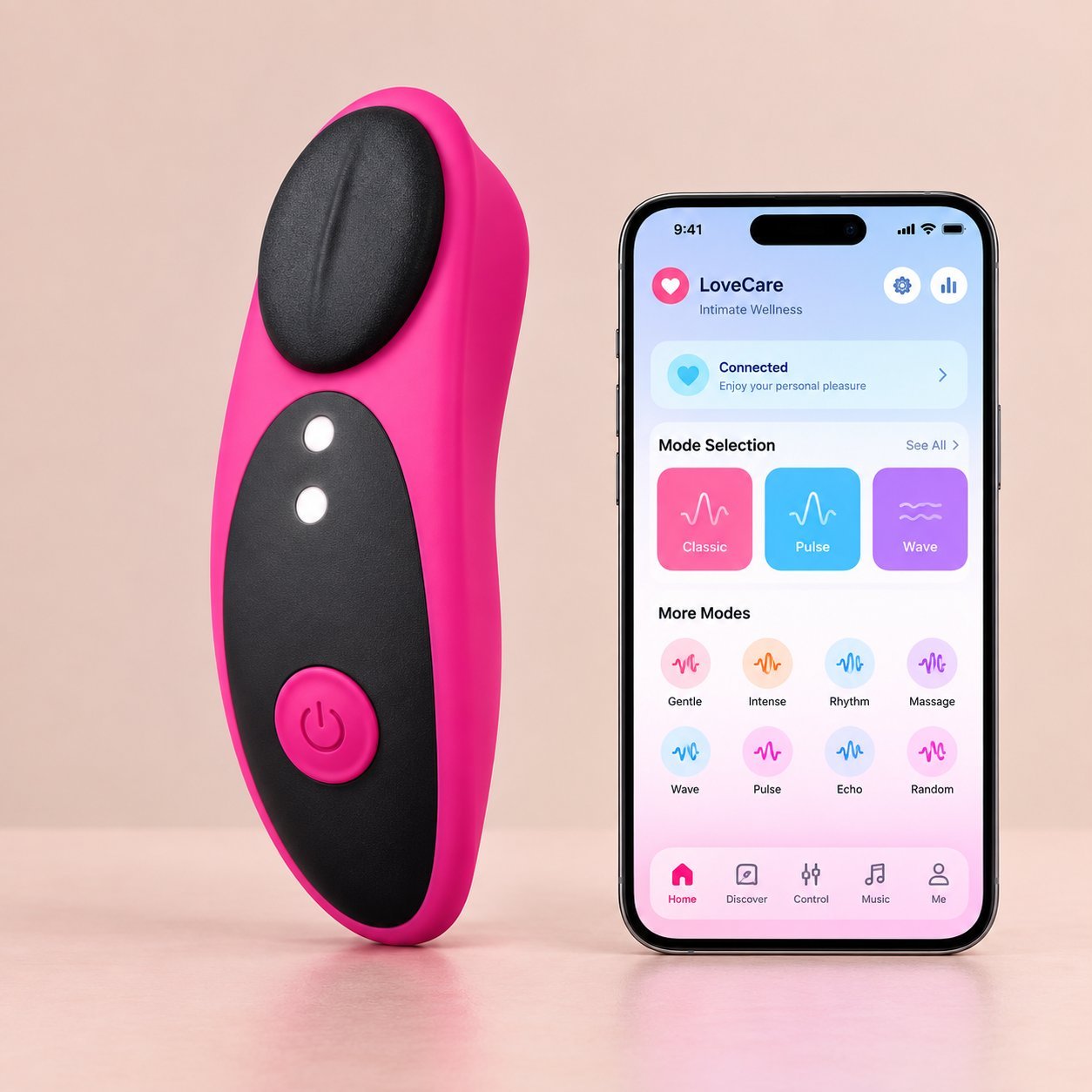
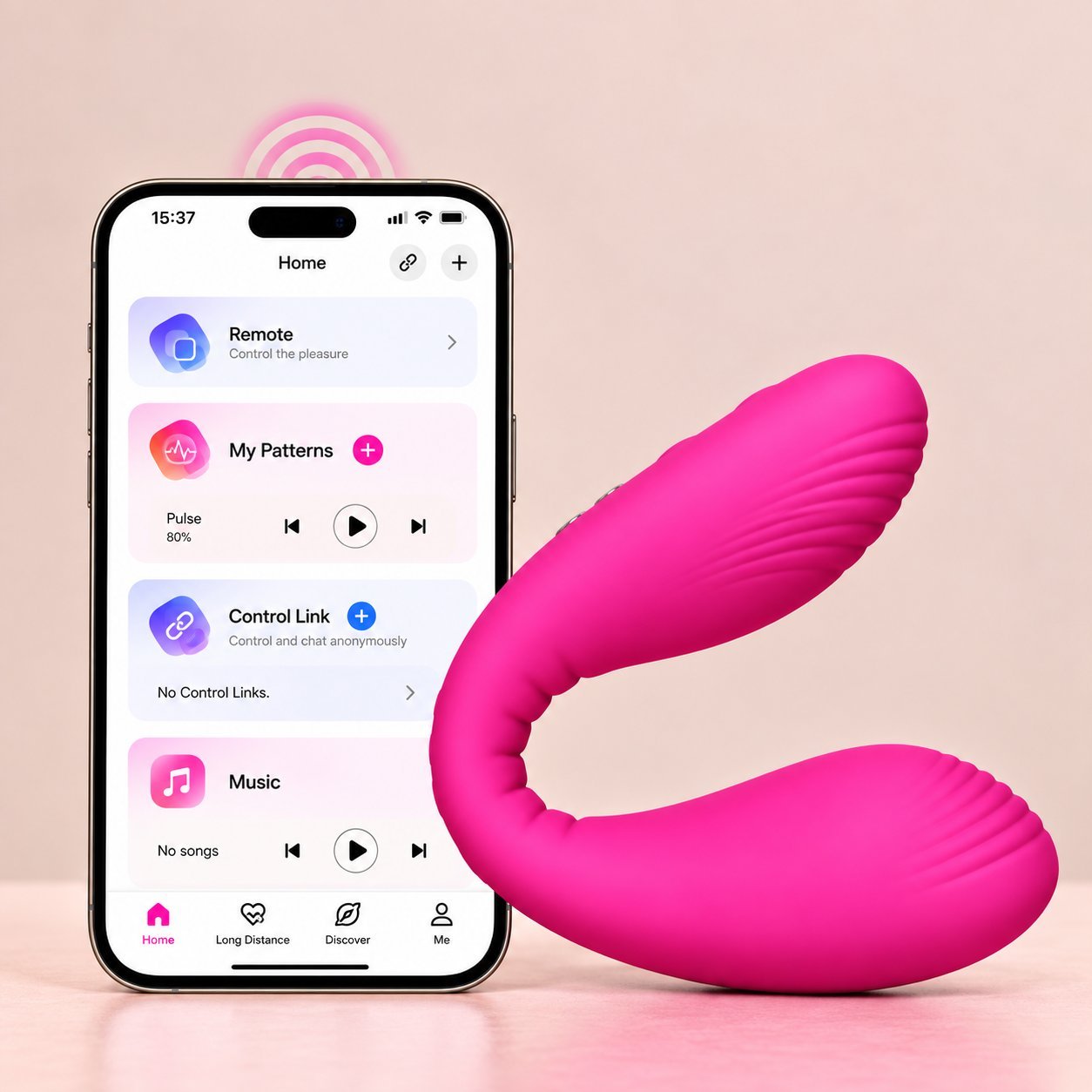
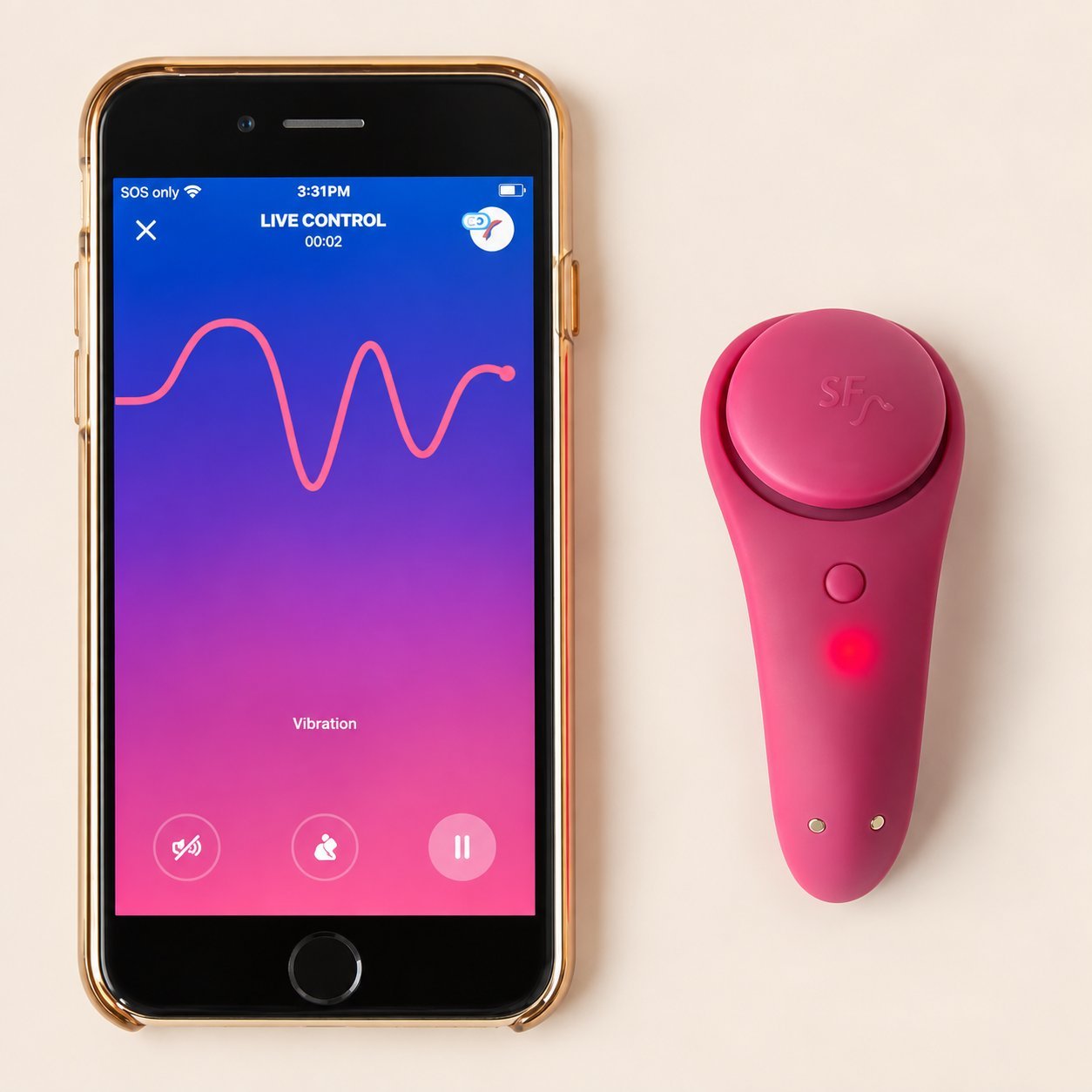
Lovense Remote is the most feature-dense of the three, based on what Lovense documents on its own site. You get custom pattern building, access to a library of community-made patterns, music sync, and messaging or video chat built directly into the app, so you’re not juggling a second app during a call. It’s also the app most long-distance comparisons center on, since it adds PC control through Lovense Connect on top of the phone app, a feature neither of the other two brands lists.
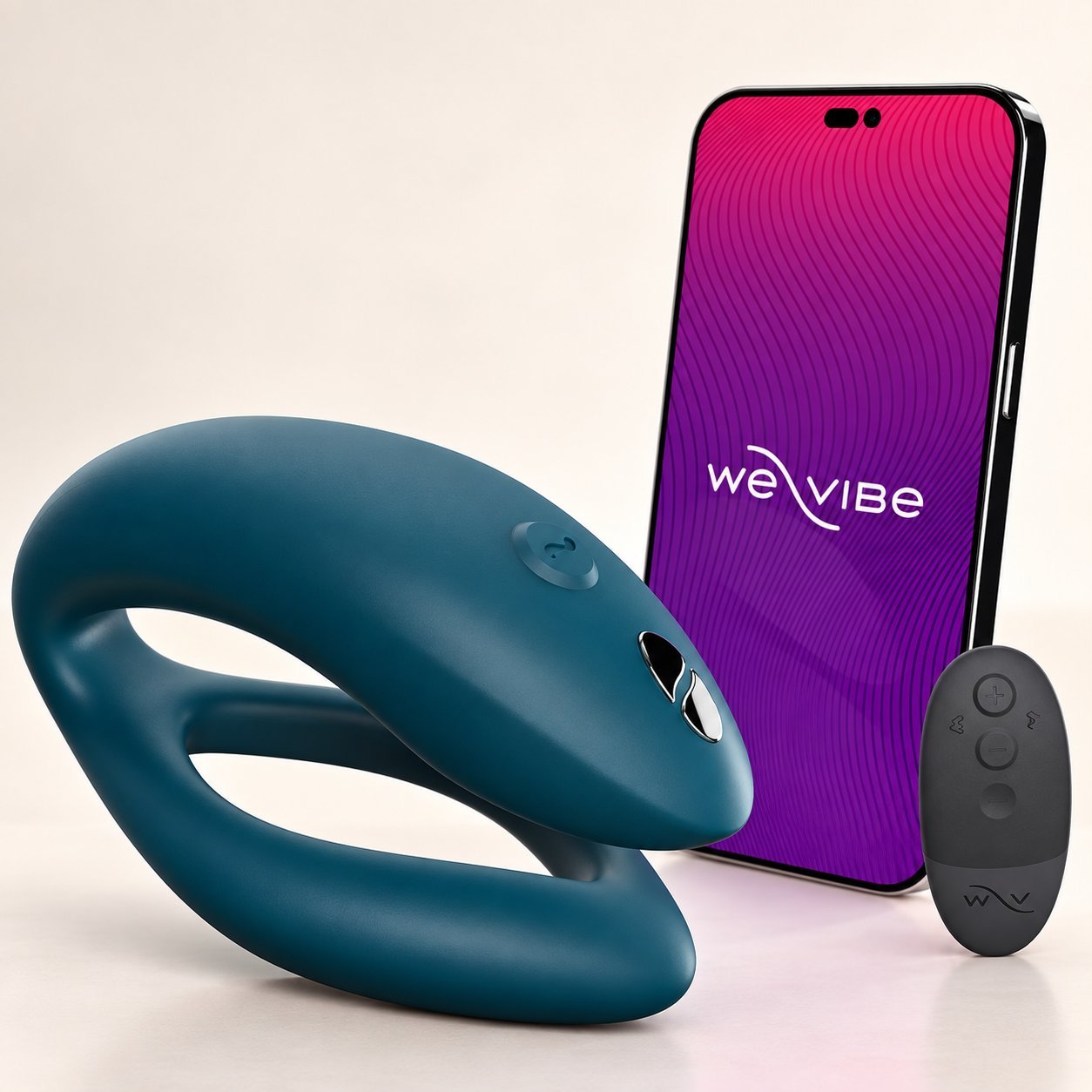
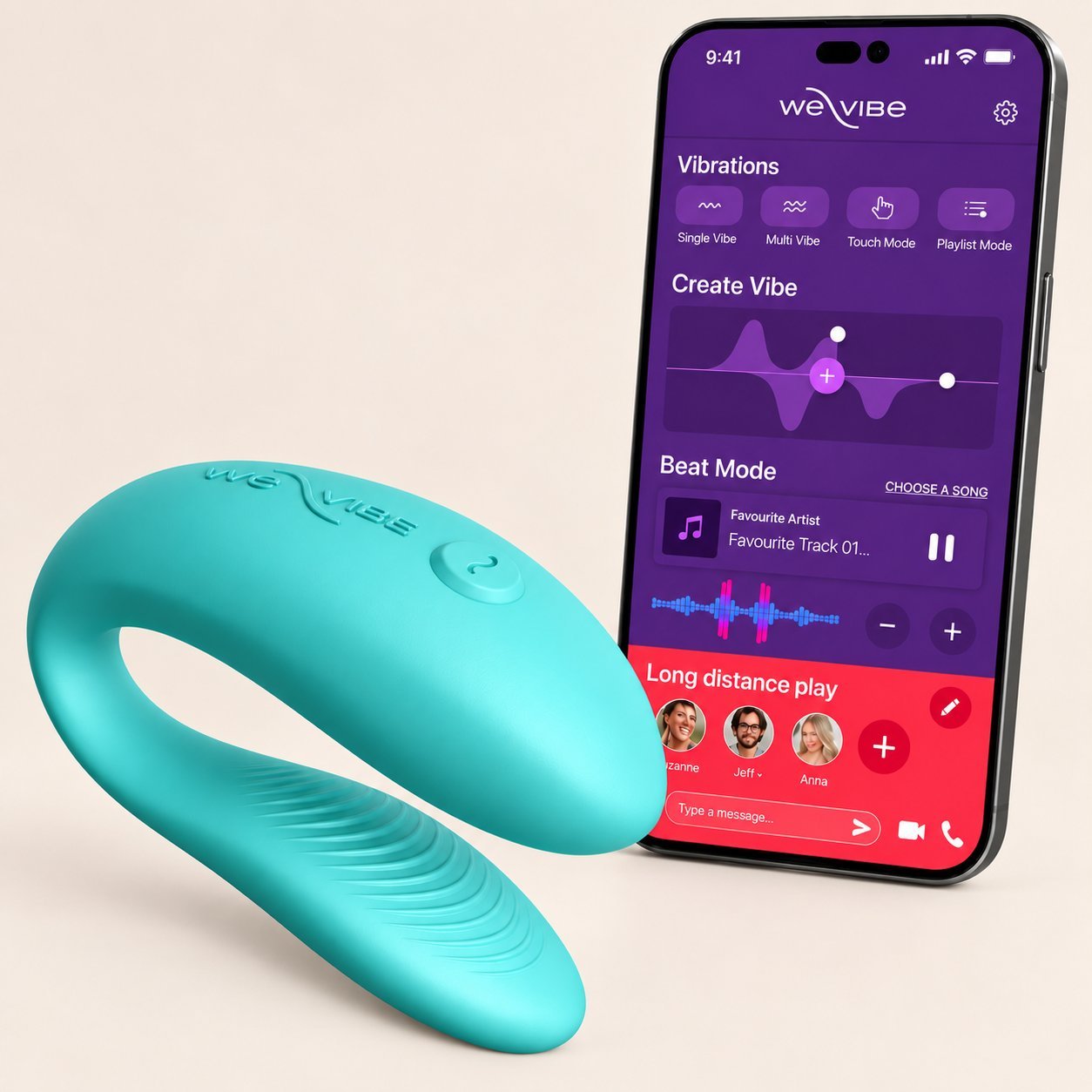
We-Connect trades some of that feature depth for simplicity. You get a clean interface, solid preset patterns, and partner control, but you won’t find the pattern-sharing community, built-in messaging, or PC control option that Lovense offers. If you just want the app to work without much of a learning curve, that’s a fair trade for a lot of buyers.
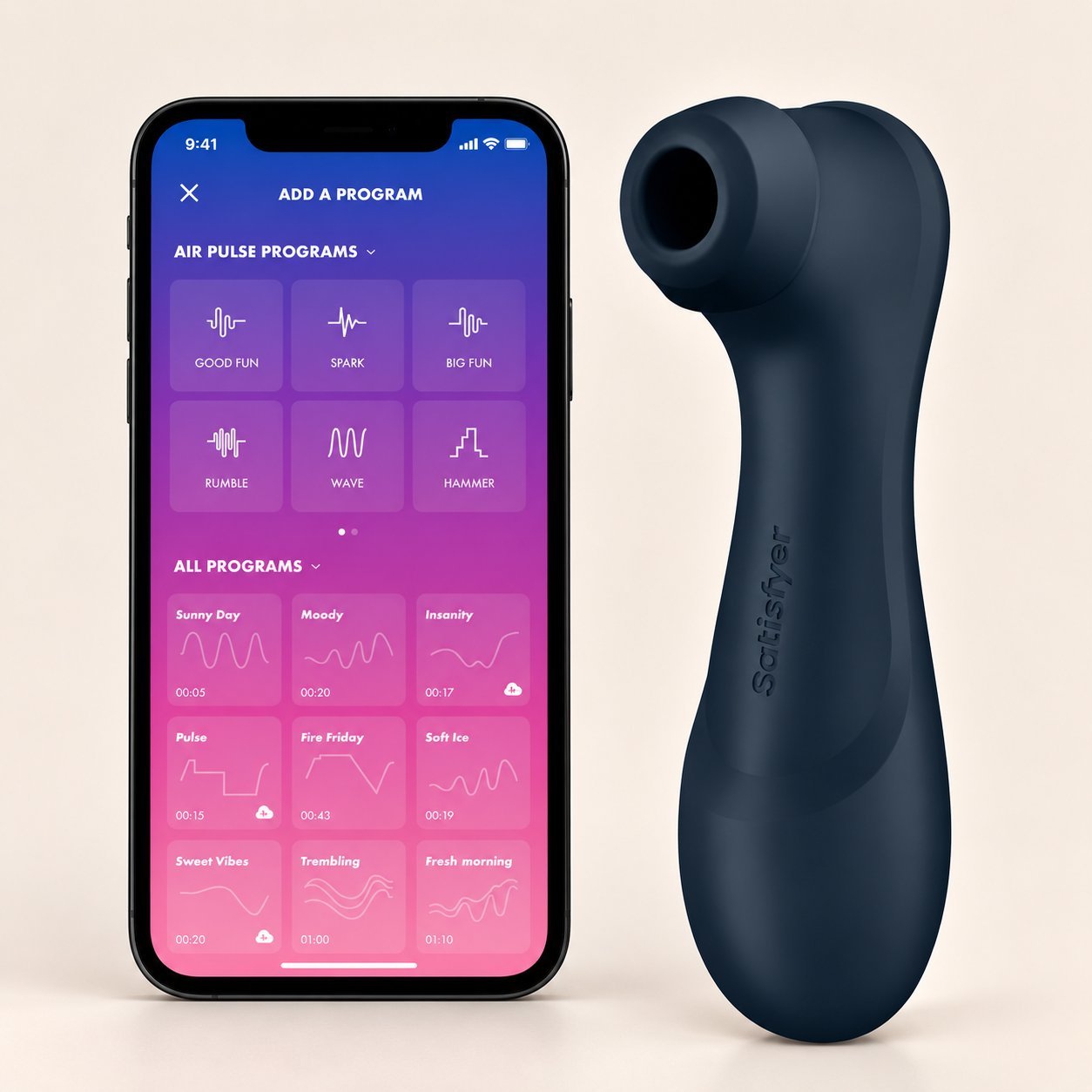
Satisfyer Connect is the odd one out, mostly because app control isn’t really the point of most Satisfyer products. The brand built its reputation on air-pulse, pressure-wave stimulation rather than remote play, so Connect exists mainly to add basic app control to a catalog that was designed around a different feature entirely. It works for what it does. It’s just not the reason you’d buy a Satisfyer toy.
None of these three apps talk to each other. A Lovense toy won’t show up in We-Connect, and neither will pair with Satisfyer Connect. If you and a partner want to control each other’s toys, you both need toys from the same brand, which is worth knowing before you buy one of each expecting them to sync.
Toy Range and Specialties
Lovense covers the widest range of body types and use cases under one brand, with dedicated lines for women (Lush, Nora, Ferri, Domi), men (Max, Edge, Diamo, Calor), and couples (sex machines, bundles, sync-enabled sets). If you want everything to run through one app regardless of who’s using what, Lovense is built for exactly that.
We-Vibe stays narrower on purpose. Its lineup centers on wearable and couples’ vibrators like the Sync 2, Chorus, and Moxie+, plus a handful of solo toys like Tango X and Melt 2. There’s close to no presence in toys built specifically for men, which is a real gap if that’s part of what you’re shopping for.
Satisfyer’s catalog dwarfs both. Beyond air-pulse clitoral stimulators like the Pro 2, the brand sells dildos, anal toys, cock rings, kegel balls, and couples sets, most of which have nothing to do with app control at all. If you’re comparing these three brands specifically for remote or long-distance features, Satisfyer’s strength lies elsewhere, and it shows in how much smaller its app-connected lineup is compared to its total catalog.
Price Comparison
You’ll pay well below the other two with Satisfyer. A Satisfyer Pro 2 Generation 3 with app control runs around $80, and plenty of the brand’s non-connected toys sell for far less than that.
We-Vibe and Lovense overlap more than you’d expect. A We-Vibe Tango X runs about $85, close to Lovense’s entry-level toys, while We-Vibe’s couples flagship, Chorus, tops out around $230 against Lovense’s Diamo or Nora sitting closer to $130-$150. Neither brand is reliably cheaper across the board. It depends on the specific toy.
If none of these three price points work for you, it’s worth knowing the connection method behind all three, Bluetooth pairing plus a WiFi or data relay for long-distance control, isn’t exclusive to premium brands either. WINYI builds app-controlled toys with a similar Bluetooth-to-internet control structure at lower factory-direct pricing, starting under $22, including the Julia wearable panty vibrator and Helen double-end vibrator, both of which state long-distance compatibility on their own product pages. That doesn’t make the two experiences identical for you, though. App stability, privacy handling, motor quality, material, and after-sales support still vary by manufacturer, and those are worth comparing yourself rather than assuming a similar connection method means a similar toy end to end.
COMPARE APP-CONTROLLED OPTIONS
Looking beyond retail brands? Explore WINYI’s app-controlled product range and compare product formats and verified specifications directly.
WINYI alternatives with the same Bluetooth-to-internet control structure

WY0568 Julia — Double-Headed Wearable APP Panty Vibrator
Panty-style wearable · double-headed · silicone shell
Factory-direct panty-style wearable vibrator with Bluetooth and WiFi relay for in-room or long-distance partner control.
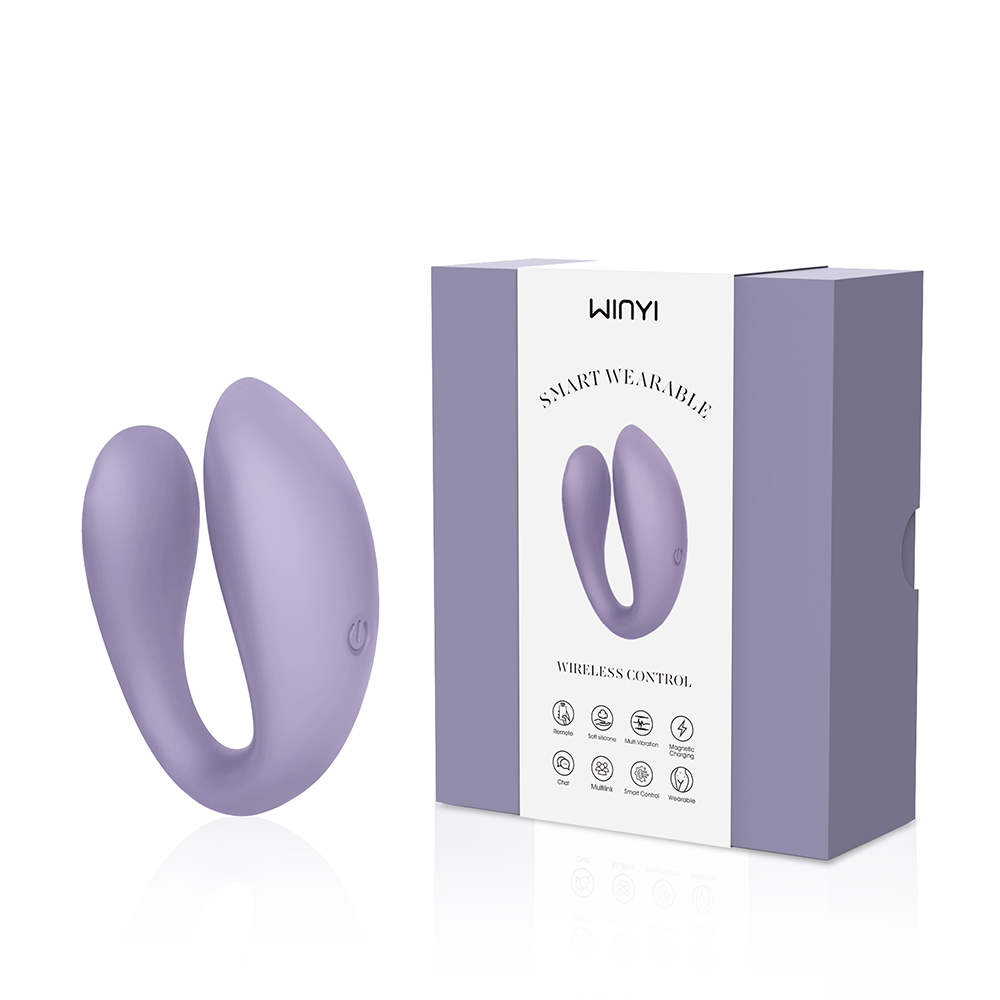
WY0553 Helen — 10-Frequency APP Controlled Double-End Vibrator
Double-end · couples-friendly · silicone shell
Factory-direct double-end vibrator with the same Bluetooth-to-internet control structure used by the brands compared in this guide.
Which Brand Is Best for Long-Distance?
You’ll find Lovense has the strongest documented case here, mainly because of its PC control option through Lovense Connect and toy-to-toy sync between paired devices, features you won’t find listed on either of the other two brands’ own sites.
We-Vibe supports long-distance control too, through We-Connect, though it doesn’t include the built-in messaging or video chat that comes with Lovense Remote, and its pattern library is smaller based on what We-Vibe documents.
Satisfyer works for long-distance in the basic sense, pair, invite, control, but it’s not the brand’s focus, and the catalog of Connect-enabled toys is a small slice of its full range.
If the whole reason you’re comparing these three brands is long-distance control specifically, rather than the extras layered on top of it, it’s worth knowing what you’re actually paying the premium price for versus what the connection method itself requires.
Privacy and Consent Checks Before You Choose
App control means more than pairing a toy to a phone. You’re creating an account, sometimes granting camera or microphone access for video chat, and handing someone else the ability to operate a toy on your body from anywhere with a signal. A few things are worth checking before you commit to any of these three apps, or any app-controlled toy at all.
Confirm that remote control requires mutual consent rather than a one-sided invite you can’t easily revoke once you’ve sent it. Check what the app’s privacy policy actually tells you about data collection, since “we collect usage data to improve the app” can mean very different things depending on how specific the policy gets. Lovense’s privacy policy and Satisfyer’s privacy policy are both worth reading yourself rather than assuming, and We-Vibe publishes its own privacy documentation on its site as well. Ask whether you can delete your account and its data completely, not just stop using the app. And look at how the connection itself works. Bluetooth pairing that stays local to your device is a different privacy picture than a cloud relay that routes control through a third-party server, which is how every WiFi-based long-distance toy you’re considering here actually works, WINYI’s included.
None of this means app-controlled toys are unsafe to use. It means the account and data side deserves the same few minutes of attention you’d give the toy’s specs.
Which Brand Is Best for Beginners, Budget Shoppers, or First-Time Wearable Buyers?
Satisfyer wins on pure affordability, and you’ll see its air-pulse toys recommended often to anyone new to that specific sensation. For app-controlled specifically, though, its Connect-enabled options are a smaller slice of the catalog than the other two brands offer.
We-Vibe’s Sync Lite and Sync Go sit closer to $100-$110, positioned as your entry point into app-controlled couples play without the full Chorus price tag.
If you’re testing whether app-controlled play is something you’ll use at all before spending $80 or more on any of these three, WINYI’s My Love panty vibrator runs $16.99 with a similar WiFi-relay function, a lower-cost way to find out first.
Our Verdict
Pick Lovense if you want the widest range of toys under one app, including options for him, and long-distance features like PC control and toy-to-toy sync matter to you most. Pick We-Vibe if build quality and quiet motors matter more to you than app depth, and you’re shopping primarily for couples’ wearables. Pick Satisfyer if price and variety across every toy category matter more to you than remote features specifically. And if you like the technical approach any of these three brands takes but not the price tag attached to it, take a look at WINYI’s own lineup, which uses a similar long-distance control structure at lower factory-direct pricing. Just compare app stability, privacy handling, and support yourself before you decide what a $150 price tag is actually buying you.
Frequently Asked Questions
Do Lovense, We-Vibe, and Satisfyer toys work with each other’s apps?
No. Each brand’s toys only pair with that brand’s own app, so a Lovense toy won’t show up in We-Connect or Satisfyer Connect, and vice versa. If you and a partner want synced or shared control, you need toys from the same brand, or from a manufacturer whose app is built to handle multiple toys the way WINYI’s supports pairing up to seven at once.
Which of the three has the best app overall?
Lovense Remote documents the most features on its own site, pattern sharing, music sync, and built-in messaging. We-Connect is simpler and more polished for basic control. Satisfyer Connect is the most limited of the three, since app control isn’t the core of what most Satisfyer toys are built around.
Is a $150+ toy actually better than a $20 one, or just better known?
Some of the price gap buys things you can feel directly, motor quality, app polish, brand-name customer support. Some of it buys the name itself. If long-distance control over WiFi or data is the specific feature you’re after, that connection method isn’t exclusive to premium pricing, and it’s worth comparing what a lower-cost alternative actually leaves out, in app stability, privacy handling, and support, before assuming it’s less capable across the board.
Can I buy toys from more than one of these brands and use them together?
You can own toys from different brands, but they won’t sync or share control with each other since each app only recognizes its own brand’s devices. You and your partner each need a toy running the same app in a shared session.
If You’re Comparing on Price and Features
If you’re sourcing app-controlled toys for retail or a private-label project, compare connection type, material, battery life, waterproof rating, and privacy handling side by side, and ask for sample units before committing to a larger order. Request a quote on any WINYI model, or browse the full app-controlled lineup to see specs directly.
SOURCING APP-CONTROLLED TOYS FOR YOUR MARKET?
If you’re comparing on price and features, the right question isn’t just which retail brand is best — it’s whether a manufacturer-built option gives you the connection type, material, battery life, waterproof rating, and privacy handling your market actually wants. Compare formats and verified specifications directly, and ask for sample units before committing to a larger order.